
Last updated November 23, 2026
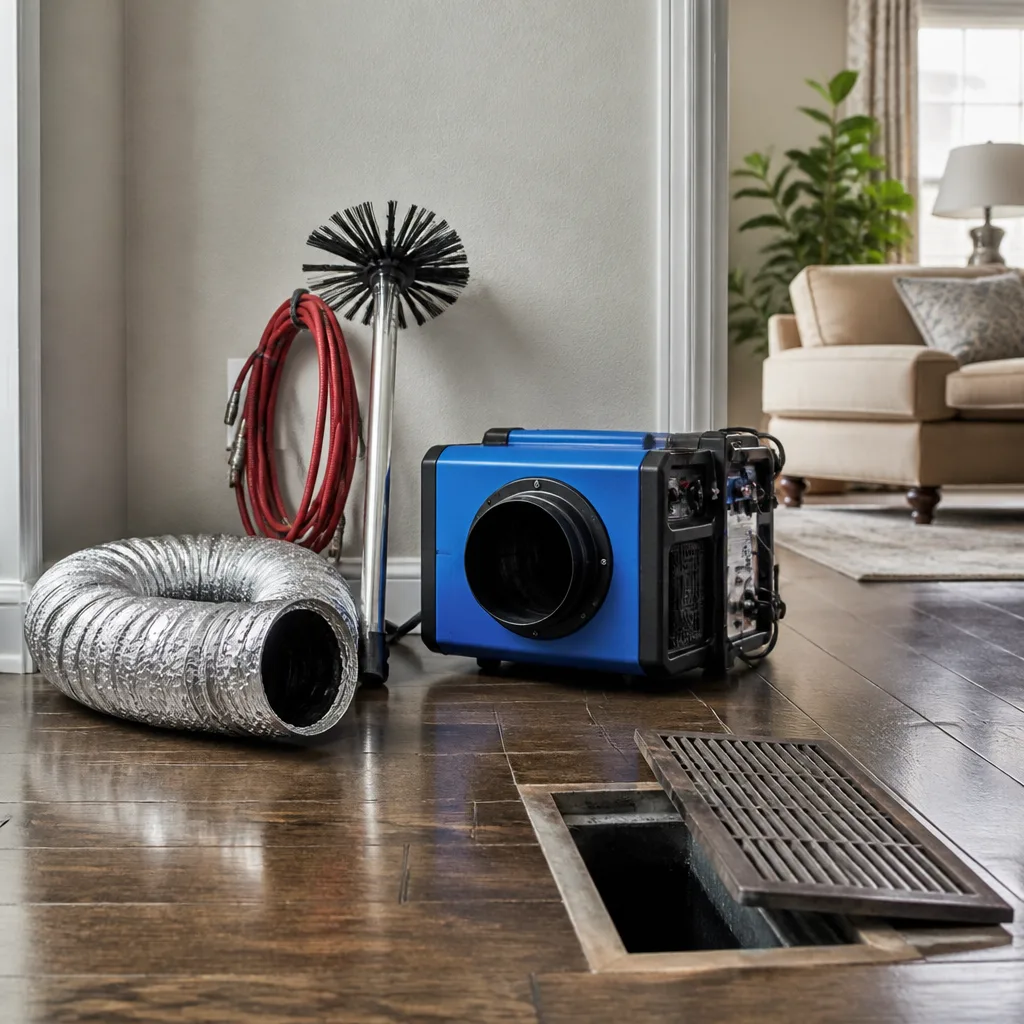 Whole-home duct cleaning
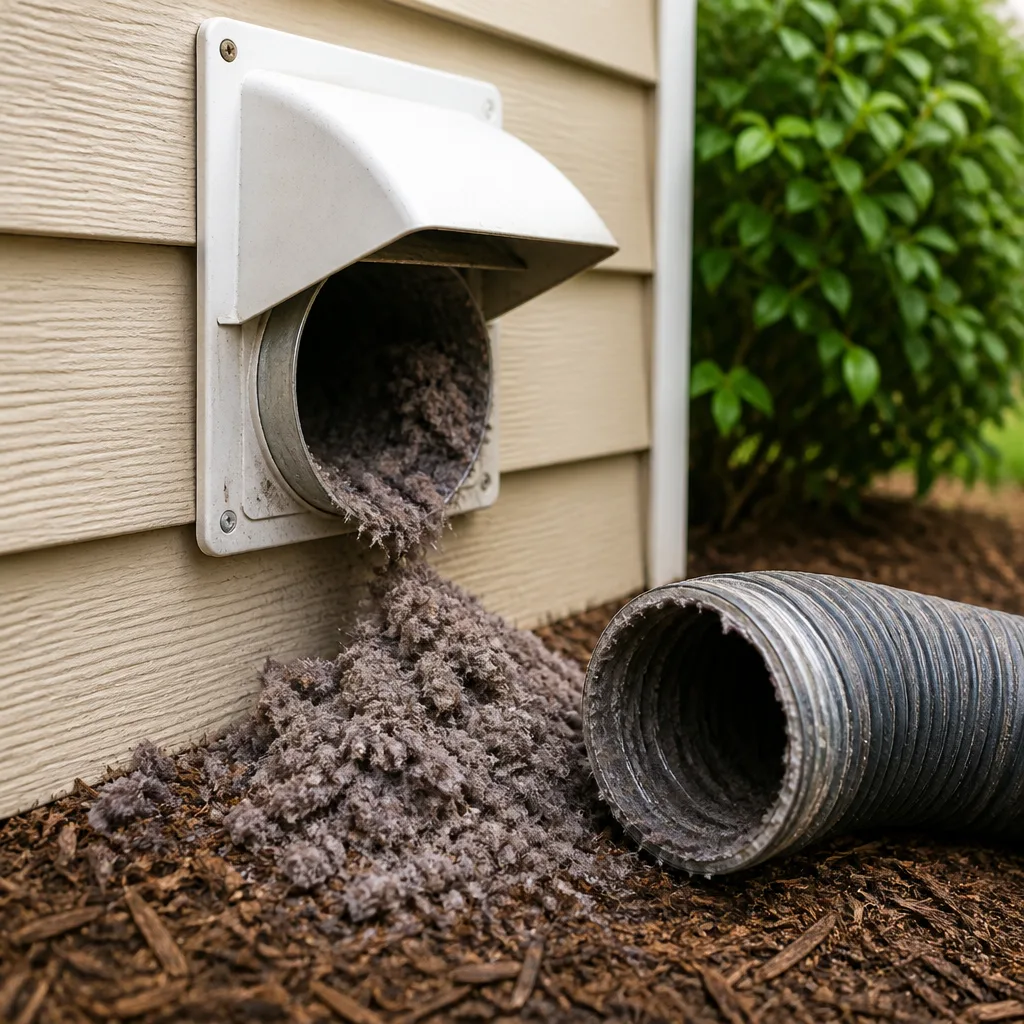 Dryer vent cleaning
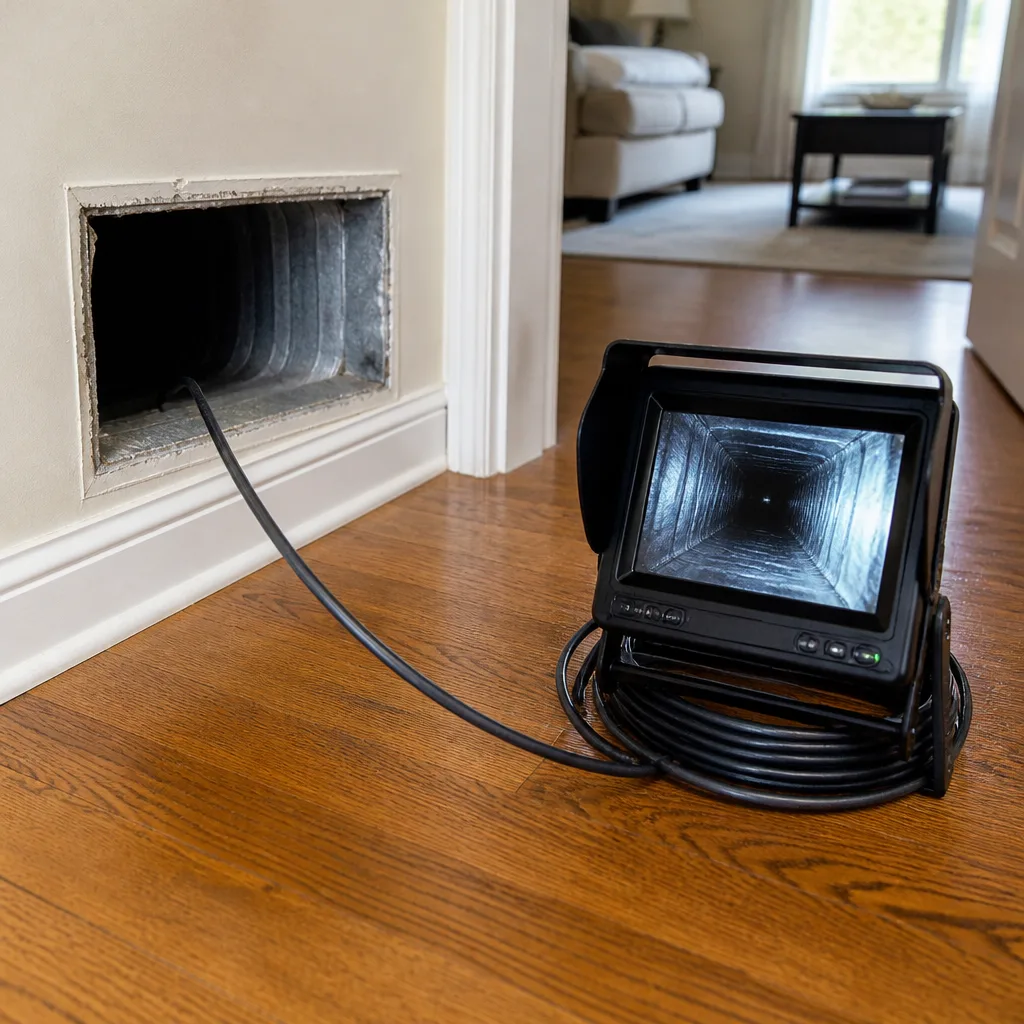 Camera inspection
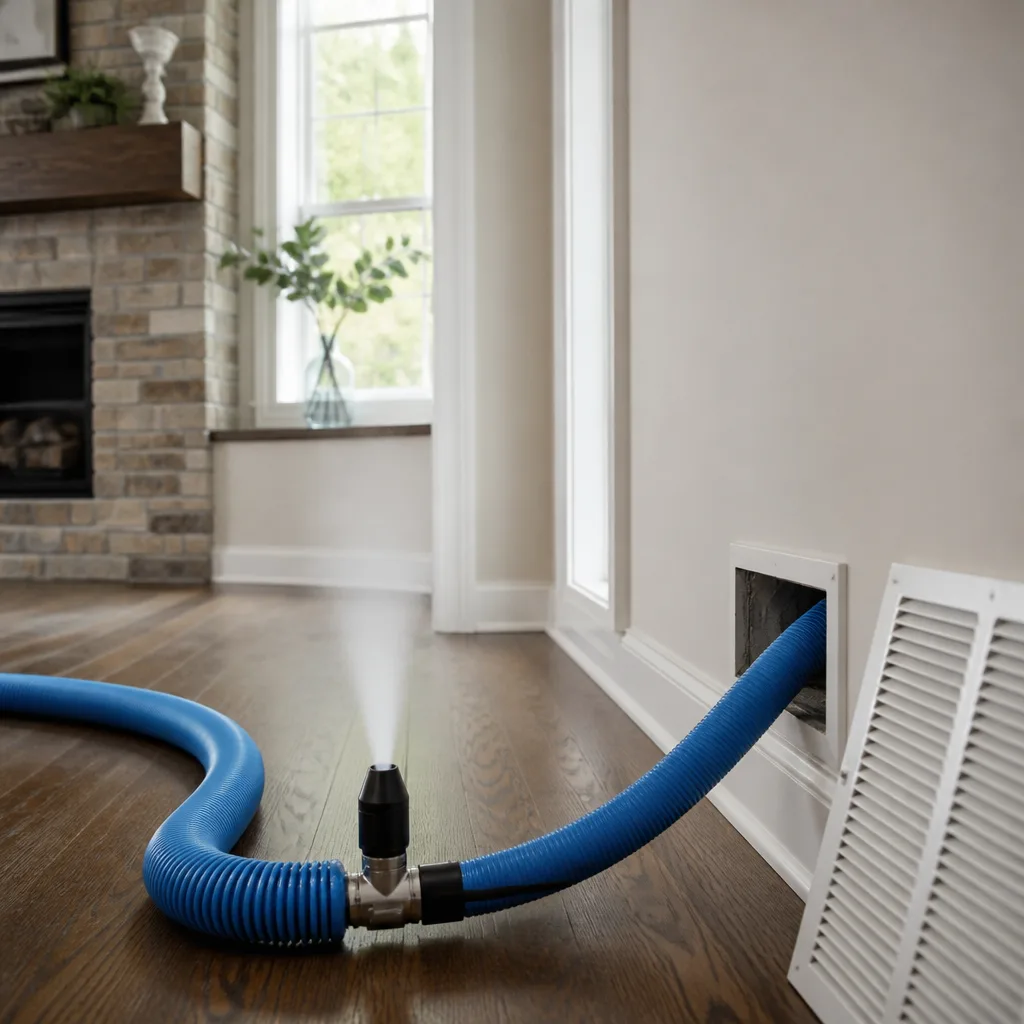 Sanitizing & deodorizing
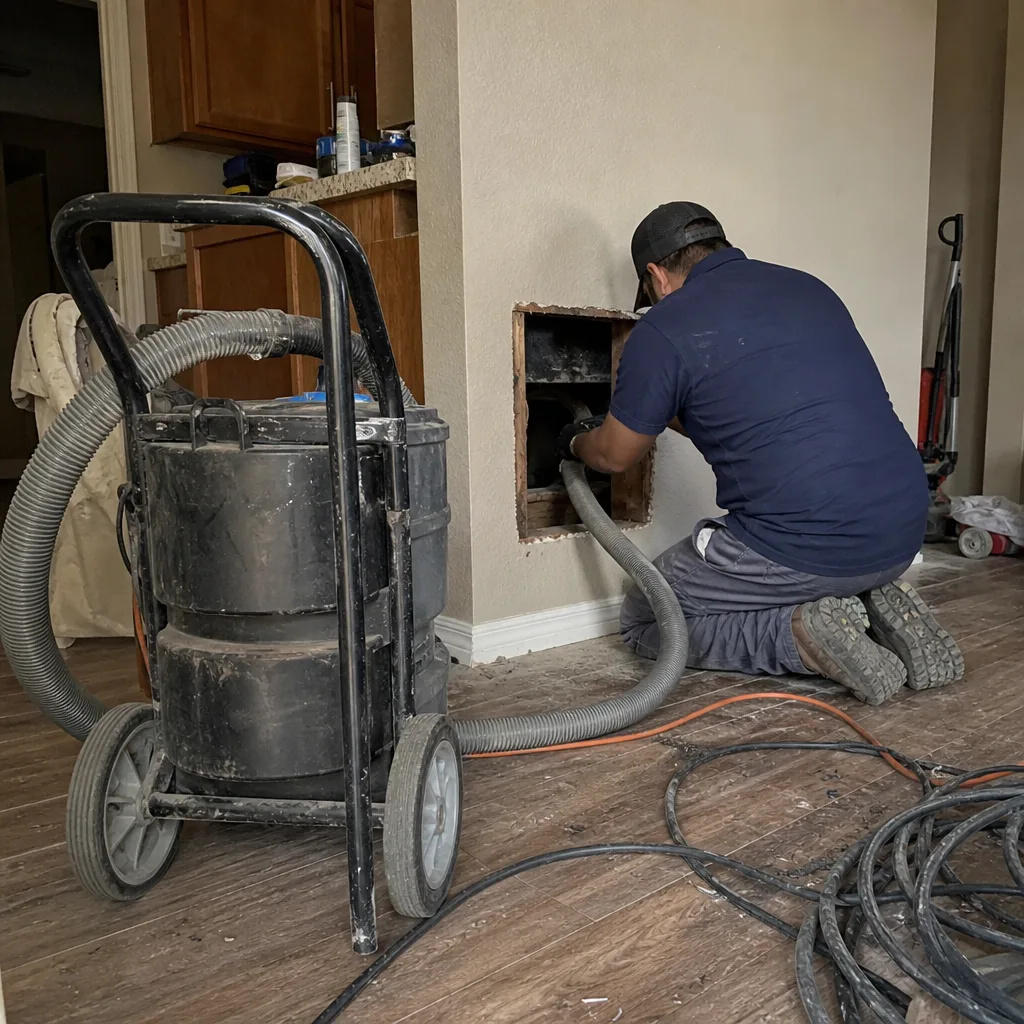
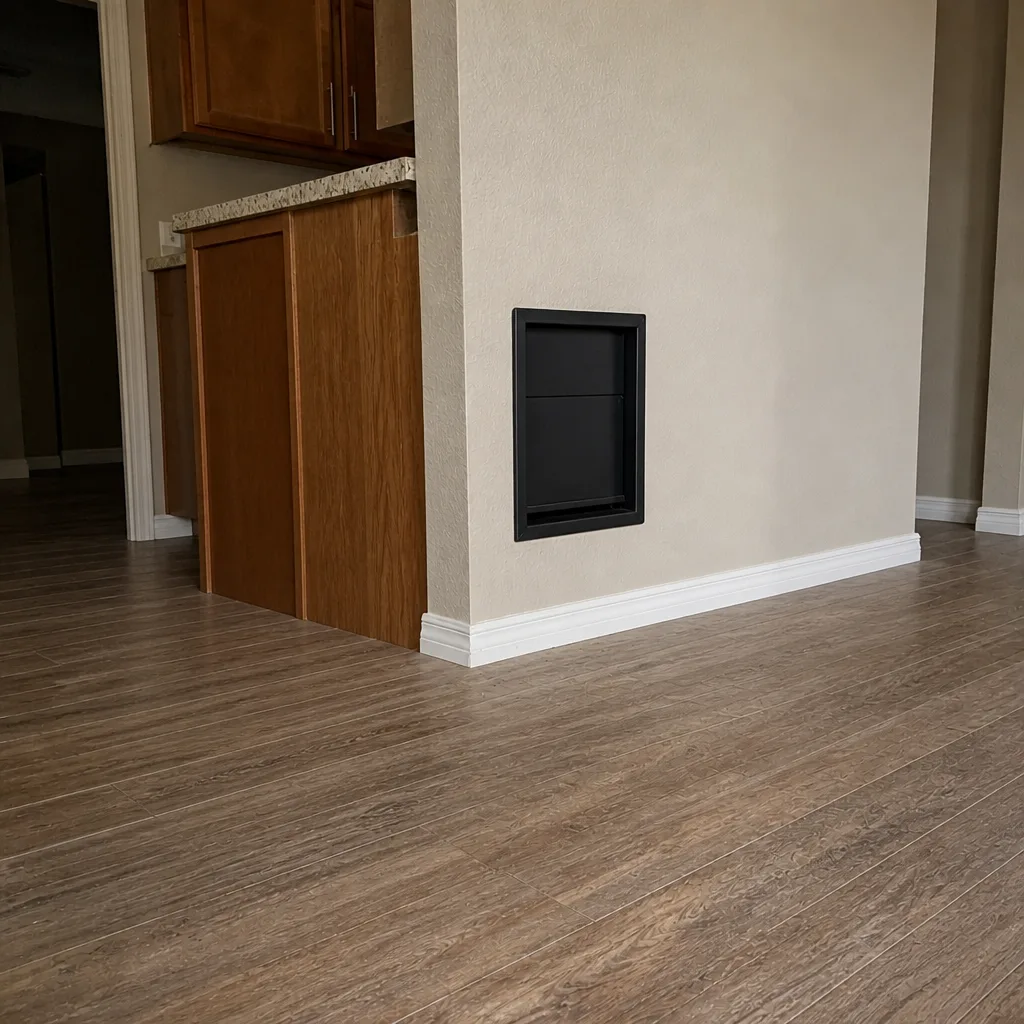
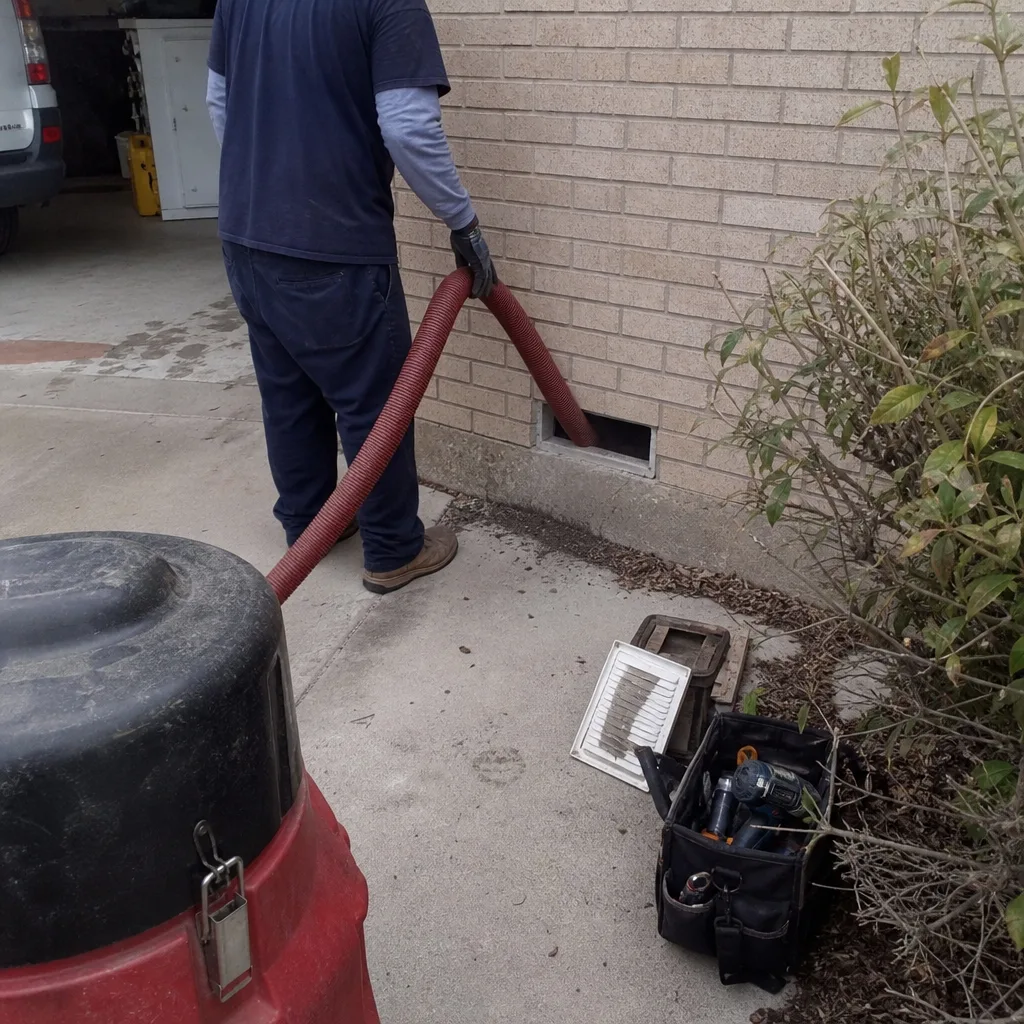
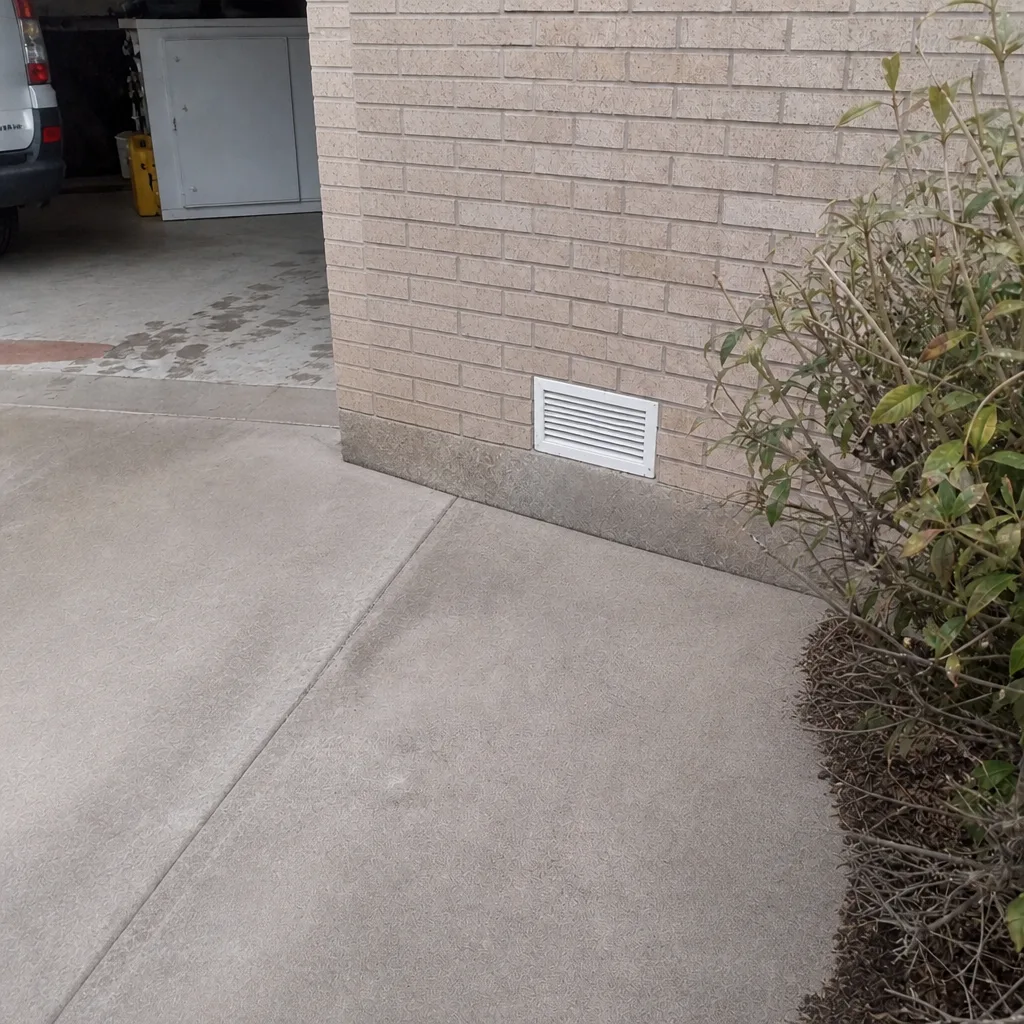
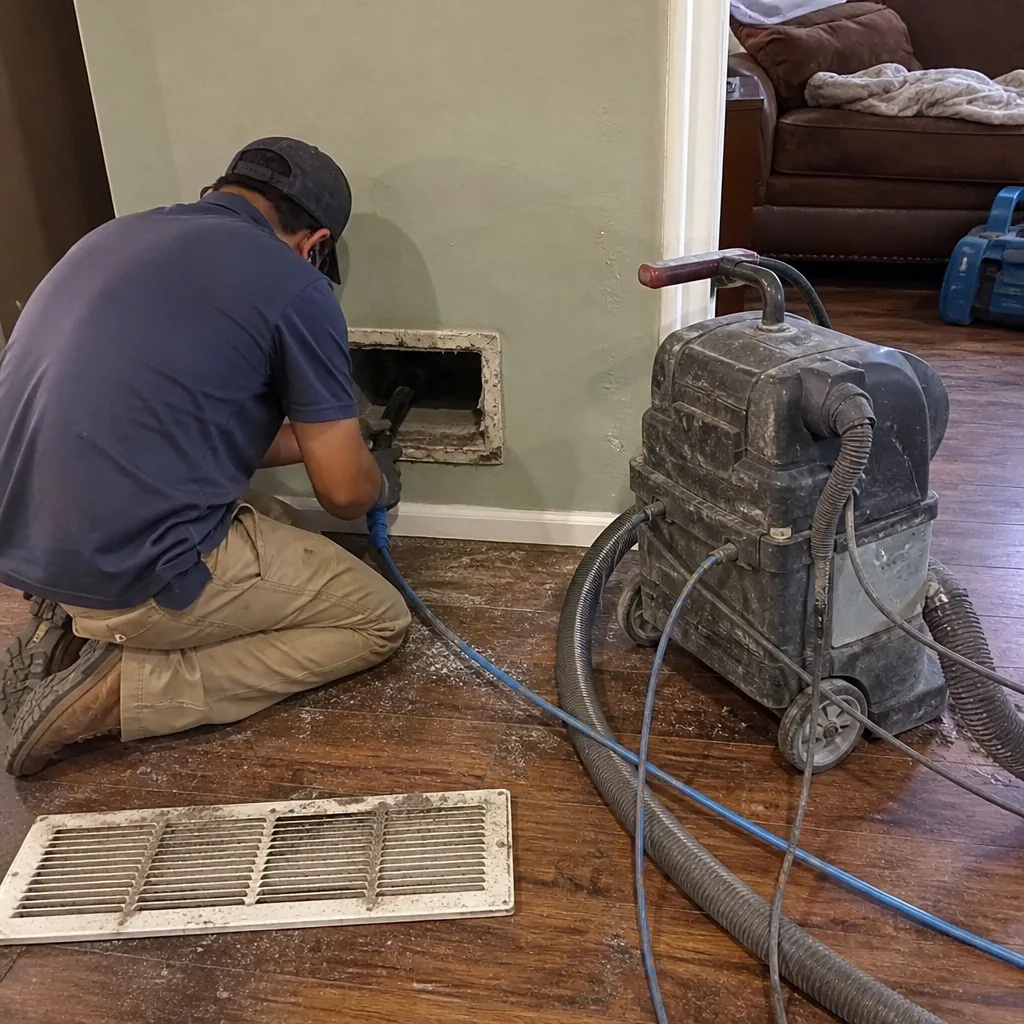
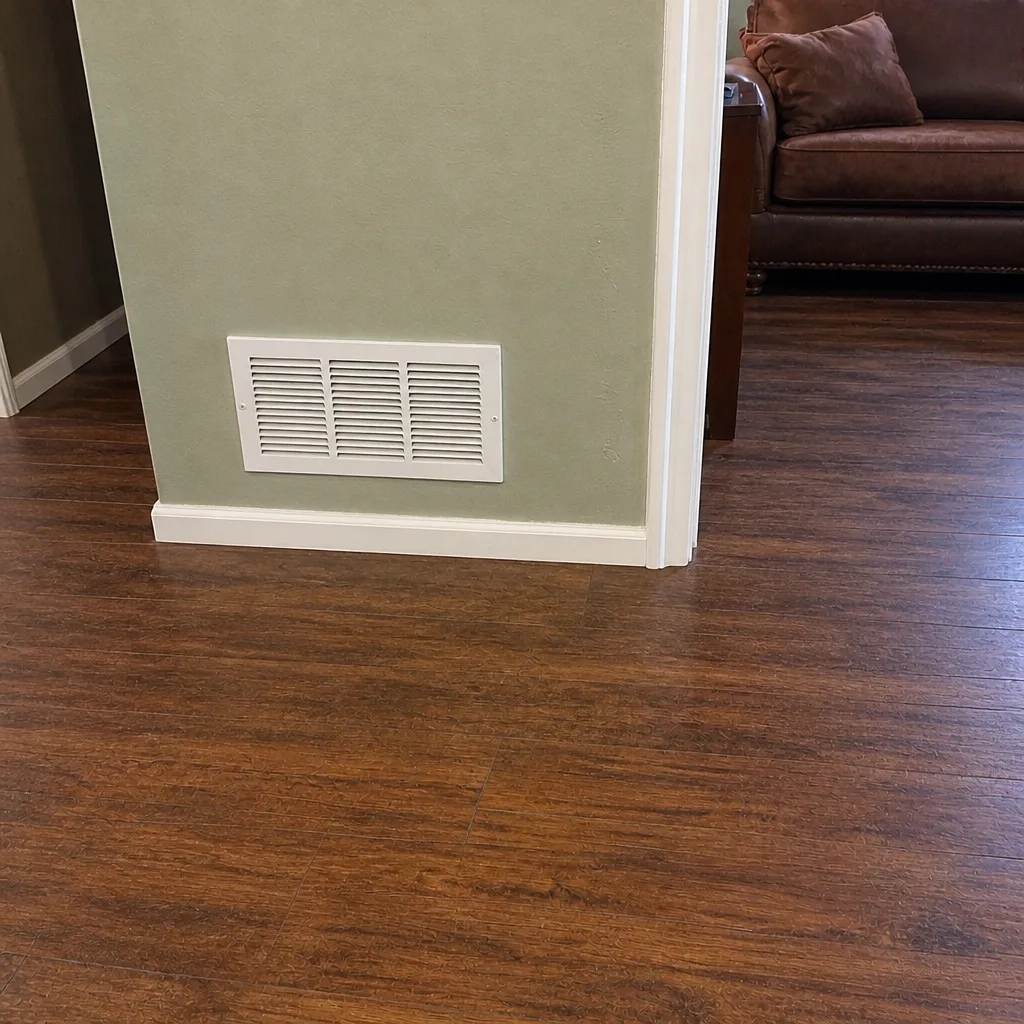
Whole-system duct and dryer vent check with before-and-after photos - you see exactly what came out of your vents
That "$99 whole-house special" is a bait ad - the real number appears once they are in your hallway, or the "clean" is a shop-vac at the register. We photograph the inside of your ducts before and after instead.
Air Duct Cleaning Warning Signs: A Casa View Homeowner’s Reference Guide
By the time you can smell a problem in your air ducts, the contamination has already been cycling through your living space for weeks. That’s the part most homeowners get backwards. Odor is a late signal, not an early one. The warning signs that matter start quietly: a bedroom that never quite cools, a system that runs longer each season, a filter that loads up with a different kind of debris than it used to. This guide walks through the mechanical and environmental signals that tell you a duct system in Casa View is degrading, so you can act before contamination reaches the air handler or your living room. You’ll learn what to look at, what it means, and when to bring in a professional.
Styles & brands we work with
- Whole-home duct cleaning
- Dryer vent cleaning
- Camera inspection
- Sanitizing & deodorizing
Quick Answer
The main warning signs of a duct system that needs professional attention are uneven room-to-room temperatures, HVAC runtime that climbs without a matching comfort gain, filters loading with construction-style debris instead of normal dust, musty smells that appear only at the start of a heating or cooling cycle, and allergy symptoms concentrated in one room rather than the whole house. When two or more of these show up together, the ductwork is usually leaking, blocked, or carrying debris that a filter alone can’t stop. A professional inspection sorts which one you’re dealing with.
Table of Contents
- What Uneven Room Temperatures Say About Your Ducts
- Why Your HVAC Runs Longer Without Cooling or Heating Better
- Reading Your Filter: Normal Loading vs. Upstream Failure
- Musty Odors That Appear Only at First-Heat or First-Cool
- Allergy Symptoms in One Room vs. the Whole House
- The Dryer Vent Signal Most Homeowners Miss
- How a Professional Inspection Actually Works
- Common Mistakes to Avoid
- When to Call a Professional
- Frequently Asked Questions
What Uneven Room Temperatures Say About Your Ducts
Uneven temperatures across rooms are the single earliest mechanical symptom of a duct problem, and they show up long before dust or odor. In a sealed, balanced system, every room should land within a couple of degrees of the thermostat setting. When one room runs consistently warmer in summer or cooler in winter than the rooms beside it, the most common causes are duct leakage at a joint or run, a disconnected or crushed flex run, or a blockage that starves that room’s supply register. The HVAC unit is doing its job. The delivery system isn’t.
Casa View’s housing stock makes this easier to spot than you’d think. The neighborhood is characterized by single-story homes built mostly in the post-war decades, many of which have had ductwork added to, rerouted, or extended over the years as rooms were added or remodeled. Those transitions are where leaks concentrate. A joint that was taped decades ago and has since dried and separated will bleed conditioned air into a wall cavity or attic rather than into the room it’s supposed to serve.
Here’s how to check without any tools:
- Run the system on a heating or cooling cycle for a full hour with interior doors open as you normally keep them.
- Walk room to room and note which rooms feel noticeably off compared to the room holding the thermostat.
- Hold your hand near each supply register; a room that feels weak at the register has a delivery problem, not a room problem.
- Repeat on the opposite season if you can. A room that’s consistently off in both heating and cooling points hard at a duct issue.
- Note whether the problem is one room, one side of the house, or one floor, because the pattern tells a technician where to look first.
One room off means a localized run. A whole wing or a whole floor off usually means a trunk leak or a main supply problem, which is a bigger deal and worth a proper look.
Why Your HVAC Runs Longer Without Cooling or Heating Better
A sudden increase in HVAC runtime without a matching change in comfort is the clearest sign of airflow restriction in the duct system. The system is working harder to push the same volume of air through a smaller opening. Restricted airflow can come from a collapsed or kinked flex run, a build-up of debris on the inside of the ducts, a register someone closed and forgot, or a filter that’s loaded. When runtime climbs and comfort doesn’t, the unit is spending more energy for less delivery, and that eventually wears on the blower motor and the system as a whole.
In our experience, homeowners usually notice the runtime change on the utility bill before they notice it as a comfort problem. The system runs more, the house feels the same, and nothing seems obviously wrong. That gap is the signal.
What to watch for:
- Longer cycles at mild outdoor temperatures. If the system used to run for a set time and now runs noticeably longer at similar weather, airflow is the first thing to check.
- A blower that sounds labored. A system fighting restricted ductwork often sounds strained or seems to push less air at the registers.
- Short bursts followed by long pauses. Some systems cycle oddly when a duct is blocked, because the equipment is hitting a limit and cutting out.
- Comfort that only arrives when the system runs nonstop. If you only feel comfortable because the unit is running constantly, the system is compensating for a delivery problem.
The important distinction is this: a system that runs longer because it’s hot outside is normal. A system that runs longer because it can’t get air where it needs to go is a duct problem. That’s the case for a full HVAC cleaning assessment rather than a simple filter change.
Reading Your Filter: Normal Loading vs. Upstream Failure
There’s a specific visual difference between a filter doing its normal job and a filter catching debris that should have been captured upstream. Normal loading is even, light gray, and mostly lint and household dust. A filter catching debris from a failing duct system looks different: it loads unevenly, it fills on one side or in one corner, it shows larger particles, or it clogs much faster than it used to.
A filter is the last line of defense in your system, not the first. It’s installed to protect the blower and the coil from household dust. When the filter starts catching construction debris, insulation fibers, or larger particles than usual, that material is coming from somewhere upstream in the duct pathway, usually a deteriorating duct liner, a broken seal, or an open return in a dirty space. Changing the filter more often won’t fix it. It just keeps buying you time until the source is addressed.
What the differences look like side by side:
- Normal loading: even distribution across the filter face, light gray, mostly fine lint and dust, and a predictable replacement interval.
- Upstream failure: uneven loading, one side much heavier than the other, visible larger particles or fibers, and a filter that clogs in a fraction of the usual time.
- Insulation fibers present: a clear signal of deteriorating duct liner or a breach, and a case for professional inspection of the duct interior.
- Filter gray-black with soot-like material: worth a conversation, because that’s not normal household dust.
If your filter is telling you something is coming from upstream, the next step is to look inside the system, not to buy a higher-MERV filter. A higher-MERV filter on a restricted system makes airflow worse, not better. This is the point where air duct cleaning and a duct inspection make more sense than another trip to the hardware store.
Musty Odors That Appear Only at First-Heat or First-Cool
A musty smell that shows up only at the start of a heating or cooling cycle, then fades, points to contamination on the evaporator coil, the duct liner, or the interior duct surface that gets stirred up when airflow begins. The timing is the tell. A constant smell means an ongoing source in the living space. A smell that’s strong in the first minutes of a cycle and then mostly goes away means the source is inside the system, and the first blast of air is carrying it into the room.
What the timing usually indicates:
- Musty on first heat in fall: moisture and organic material have been sitting on the coil or duct liner through the cooling season, and the first heating cycle lifts it into the air.
- Musty on first cool in spring: the coil has accumulated material over the heating season, and the first cooling cycle carries it into the living space.
- A sour or dirty-sock smell: often the coil itself, which is why HVAC cleaning is part of the conversation, not just duct cleaning.
- A smell that only appears in certain rooms: points at a localized duct issue on that run.
Odor is the signal that most homeowners wait for, and it’s the one that arrives latest. By the time you can smell it, contamination has already been cycling through your living space for weeks or longer. That’s why the earlier signals in this guide are the ones to act on.
The fix is not a spray. It’s a mechanical clean of the system, followed by a documented treatment step. That’s what our Air Quality & Sanitizing service is built around, using Guardsman sanitizing products after the mechanical cleaning is complete, so the system is treated, not just cleaned. Treatment without mechanical cleaning just puts a chemical layer over the same contamination.
Allergy Symptoms in One Room vs. the Whole House
Increased allergy symptoms in a single room, rather than house-wide, often point to a localized duct breach rather than a whole-system problem. That’s a distinction most warning-sign lists miss, and it matters because the fix is different. House-wide symptoms suggest a system-wide source: the coil, the main trunk, or the return. Symptoms that concentrate in one room suggest a breach or leak in the run serving that room, which may be pulling air from a wall cavity, an attic space, or a crawlspace instead of from a clean return.
What to pay attention to:
- Which room: a bedroom or home office where you spend hours is the usual place homeowners notice it, because exposure time is longer.
- Whether the symptoms ease when the system is off: that leans toward an airborne source inside the system rather than an allergen in the room itself.
- Whether the room is also temperature-off: a room that’s both uncomfortable and triggering symptoms is a strong candidate for a duct breach serving that room.
- Whether pets or young children use the room: they spend more time low to the floor and close to supply registers, so a localized problem hits them first.
Families with young children and households with pets are the ones most likely to catch this early, because the symptoms show up in the people who spend the most time near the affected register. If the pattern holds across seasons, it’s worth an inspection of that run specifically. Our technicians have up to 10 years of experience reading exactly this kind of pattern.
The Dryer Vent Signal Most Homeowners Miss
Dryer vent problems don’t announce themselves the way duct problems do, and they’re a leading cause of residential fires often overlooked by air-duct-only providers. The signals are different: clothes that take two cycles to dry, a dryer that feels hot to the touch on top, a lint screen that fills completely every load, or a flap on the exterior vent that no longer opens fully when the dryer runs. Any of those means airflow is restricted, and restricted airflow on a dryer means heat is building up where it shouldn’t.
This is a separate system from your HVAC ducts, and it deserves its own attention. A full-system indoor air quality specialist covers the whole air pathway, which is why dryer vent cleaning belongs in the same conversation as duct cleaning. If you haven’t had the dryer vent looked at and you can’t remember the last time it was, that’s the signal. It doesn’t produce a symptom you’ll notice until it’s already a problem.
What to check:
- Time a normal load. If it takes more than one cycle to dry, airflow is restricted.
- Feel the top of the dryer during a cycle. Excessive heat points at a blocked vent.
- Look at the exterior vent flap while the dryer is running. It should open fully and push air clearly.
- Check the lint screen after every load. A screen that fills completely every time is a sign lint is getting past it into the vent run.
None of these are DIY fixes beyond the exterior flap check. The vent run itself needs professional cleaning, and it’s a scheduled job, not an emergency one.
How a Professional Inspection Actually Works
A proper duct inspection is a mechanical process with documented steps, not a flashlight look through a register. Here’s how a real inspection and cleaning job runs, so you know what to expect and what to ask about when you’re comparing providers in Casa View.
- Containment first. Before any cleaning starts, the work area is set up so contaminants are captured at the source. We deploy Abatement Technologies air filtration on-site so debris isn’t recirculated into the home during the process. If a provider doesn’t set up containment, that’s the first thing to ask about.
- Mechanical contact cleaning. The ducts are cleaned with Rotobrush contact-cleaning equipment, which uses mechanical agitation to break debris loose from the duct walls, paired with Nikro industrial vacuums to pull it out. This is not a vacuum hose waved at a register. The equipment is the same class used in professional restoration and abatement work.
- Source capture throughout. The vacuum runs continuously on the system while the contact cleaning happens, so loosened material is captured rather than released.
- Inspection of the full air pathway. Supply and return ducts, the air handler, and the coil are all part of the assessment. A provider that only cleans registers isn’t cleaning the system.
- Repair and seal in the same visit. If the inspection finds a leaking joint, a disconnected run, or a breach, that’s fixed on the same visit. Duct Repair & Sealing is an in-house service, so there’s no second contractor and no second appointment.
- Treatment where needed. If the inspection finds microbial growth or persistent odor, the Air Quality & Sanitizing step applies a Guardsman treatment after the mechanical clean, so the system is treated, not just cleaned.
- Before-and-after documentation. Photos of your ducts before and after the clean are part of the job. Ask for them. A provider that can’t show you what changed didn’t document the work.
For homeowners who want to go beyond a one-time clean, we also sell and install Honeywell and Aprilaire air quality systems, which bridge the gap between a single cleaning and long-term indoor air quality management. That’s a conversation worth having if you’re already seeing two or more of the warning signs in this guide.
Common Mistakes to Avoid
- Waiting for a smell. Odor is the last signal, not the first. By the time a musty smell shows up at first-heat or first-cool, the contamination has been circulating for weeks. Act on the temperature and runtime signals instead.
- Buying a higher-MERV filter to fix a duct problem. A higher-MERV filter on a restricted system makes airflow worse. Filter upgrades help a healthy system; they don’t fix a leaking one. Address the source first.
- Assuming one room off means one room’s problem. A single uncomfortable room is a clue about the duct run serving it, not about the room itself. Chasing the room instead of the run wastes time.
- Skipping the dryer vent because it’s not part of the HVAC system. It’s a separate fire-safety concern and one of the most commonly overlooked parts of the home’s air pathway. Include it in the same inspection conversation.
- Hiring a provider who only cleans registers. If the quote is based on the number of vents and doesn’t include the air handler, the coil, or containment, you’re paying for a surface job. Ask what equipment they use and whether it includes contact cleaning and source capture.
- Letting a duct repair wait for “later.” A leaking joint doesn’t self-seal. It gets bigger, and it bleeds conditioned air the whole time. Repair and seal on the same visit is the cleaner path.
- Not asking for before-and-after photos. The single best protection against a bait-and-switch is documented proof of the work. Ask before booking.
When to Call a Professional
Call a professional when you’re seeing two or more of the signals in this guide at the same time, when one room is consistently both temperature-off and triggering allergy symptoms, when your filter is loading with debris that looks like insulation or construction material, or when a musty smell appears at the start of a heating or cooling cycle. Those patterns point at the duct system itself, and they don’t resolve on their own. One signal alone might warrant a check; a cluster warrants a visit. Air Duct Cleaning Casa View offers free estimates in Casa View. Call (888) 886-6271. We answer 24/7. Fast dispatch from 7am to 7pm, Sunday through Friday.
Frequently Asked Questions
The earliest signs are mechanical, not visual: uneven room-to-room temperatures, HVAC runtime that increases without a matching comfort gain, and filters that load with debris different from normal household dust. Visible dust and odor come later. When those mechanical signals show up together, it’s worth a professional inspection.
There’s no fixed schedule that fits every home. A household with pets, allergy sufferers, recent remodeling, or a home you’ve just purchased usually needs attention sooner than a low-occupancy home with a well-sealed system. The right interval depends on what the inspection finds, which is why a documented assessment matters more than a calendar rule. Call (888) 886-6271 for an exact quote on your home; estimates are free.
Cheap quotes are usually priced per vent and cover surface vacuuming only, without contact cleaning, containment, or inspection of the air handler and coil. That’s the bait-and-switch pattern this industry is known for: a low number on the phone that grows once the technician is on-site. We price per system, not per vent, and the flat price is agreed before work starts. Call (888) 886-6271 for an exact quote.
You get before-and-after photos of your own ducts as part of the job. That’s the proof. If a provider can’t show you documented images of the system before and after cleaning, treat that as a reason to look elsewhere. Call (888) 886-6271 and ask us to walk you through the process before booking.
Yes. A breach in the run serving one room can pull air from a wall cavity, attic, or crawlspace instead of from the clean return, and that air lands in one room rather than the whole house. If the symptoms ease when the system is off and the room is also temperature-off, a localized duct breach is a strong candidate.
Yes, if you’re seeing the earlier signals: runtime climbing, filters catching unusual debris, uneven temperatures, or a musty smell at first-heat or first-cool. Those indicate the system is already carrying contamination. Waiting for visible dust or a strong odor means waiting until the problem is well established. Call (888) 886-6271 to talk through what you’re seeing.
The Bottom Line
The warning signs that matter most in Casa View aren’t the obvious ones. Uneven room temperatures, longer HVAC runtime without better comfort, filters catching debris that should have stayed upstream, musty smells at first-heat or first-cool, and allergies that concentrate in one room all show up before dust or odor does. Two or more together means the duct system is degrading, and the fix is a documented inspection, a mechanical contact clean, and a repair-and-seal step on the same visit. The full air pathway, from ducts through the air handler and the dryer vent, is what a full-system specialist covers. That’s what we do. Read more about our Air Duct Cleaning Casa View service, or call us to get started.
Contact Air Duct Cleaning Casa View for a free estimate at (888) 886-6271. We answer 24/7. Fast dispatch from 7am to 7pm, Sunday through Friday. One flat price per system, agreed before work starts, with before-and-after photos of your own ducts. We serve homeowners, property managers, and light-commercial customers across the Casa View area, and estimates are free.
Written by the team at Air Duct Cleaning Casa View.
See the difference
 Before
 After
 Before
 After
 Before
 After