
Last updated November 23, 2026
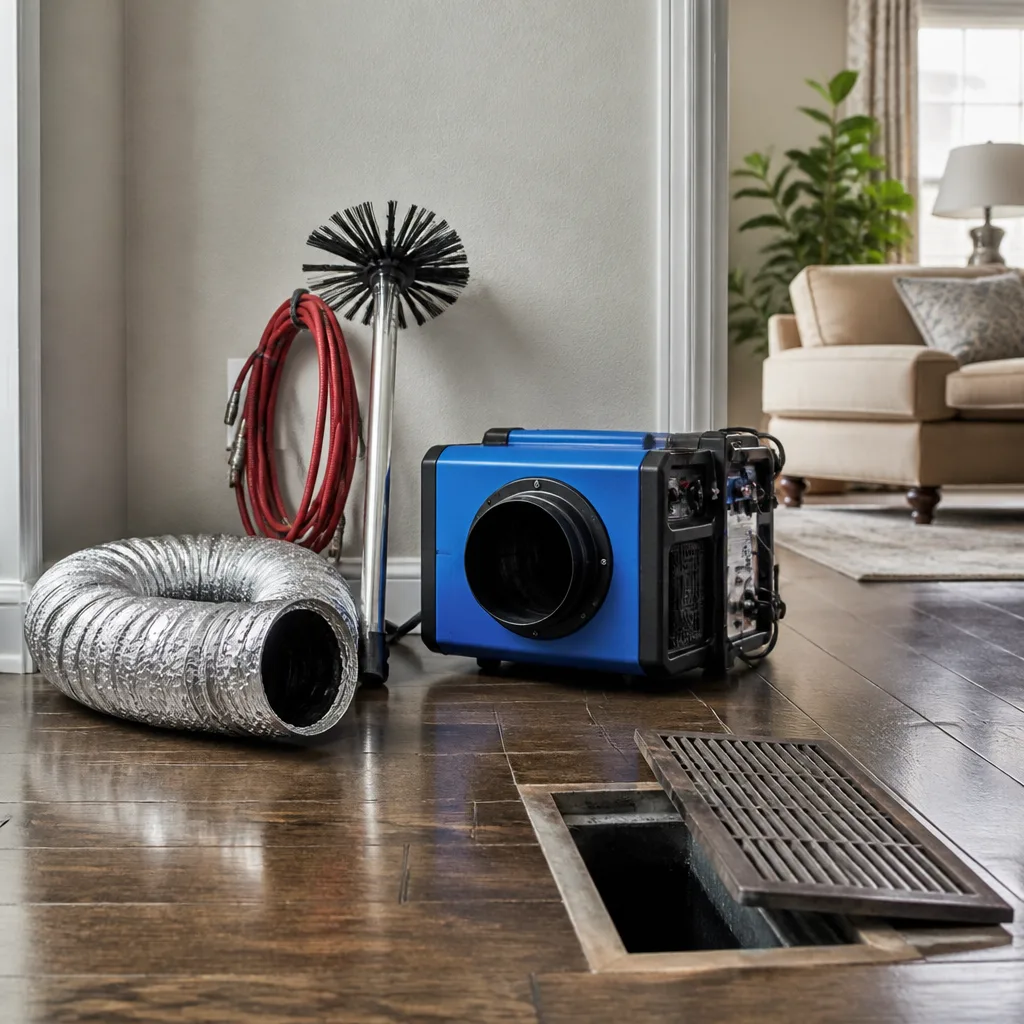 Whole-home duct cleaning
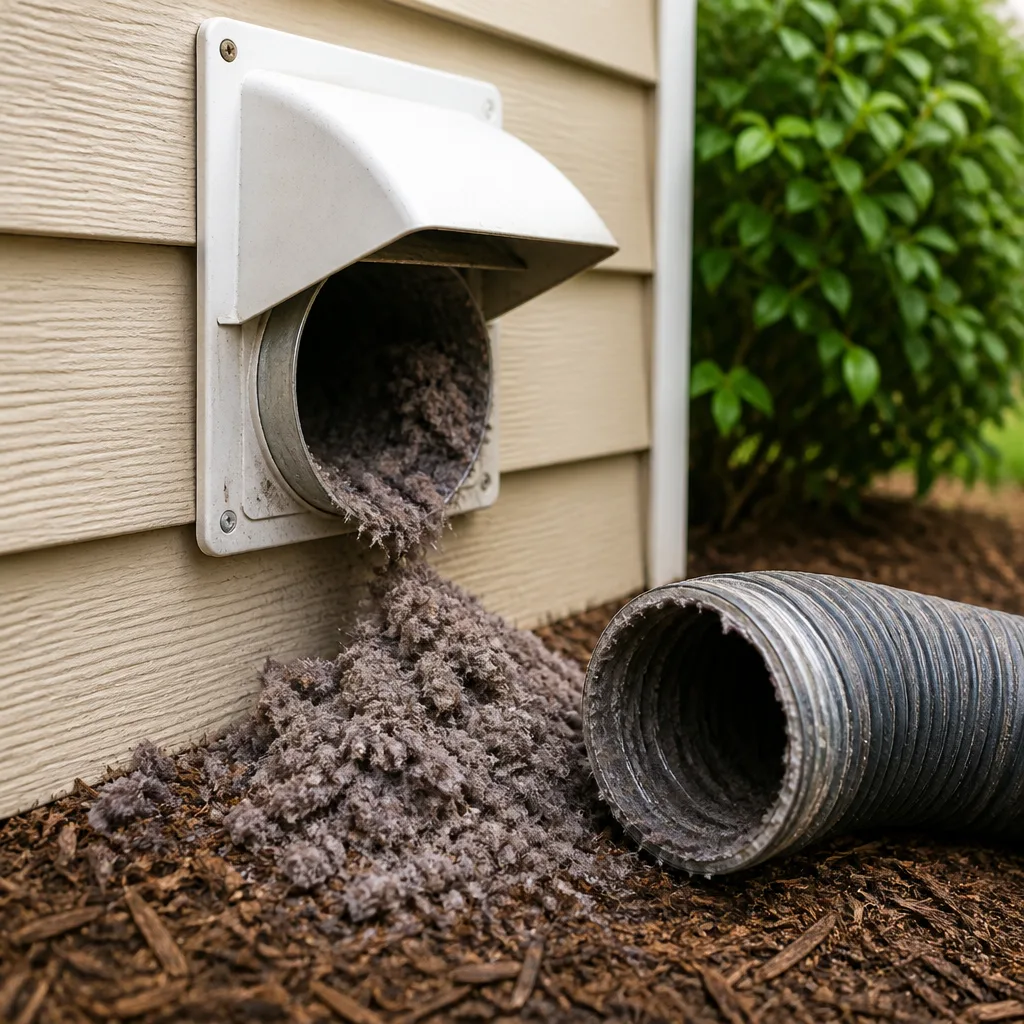 Dryer vent cleaning
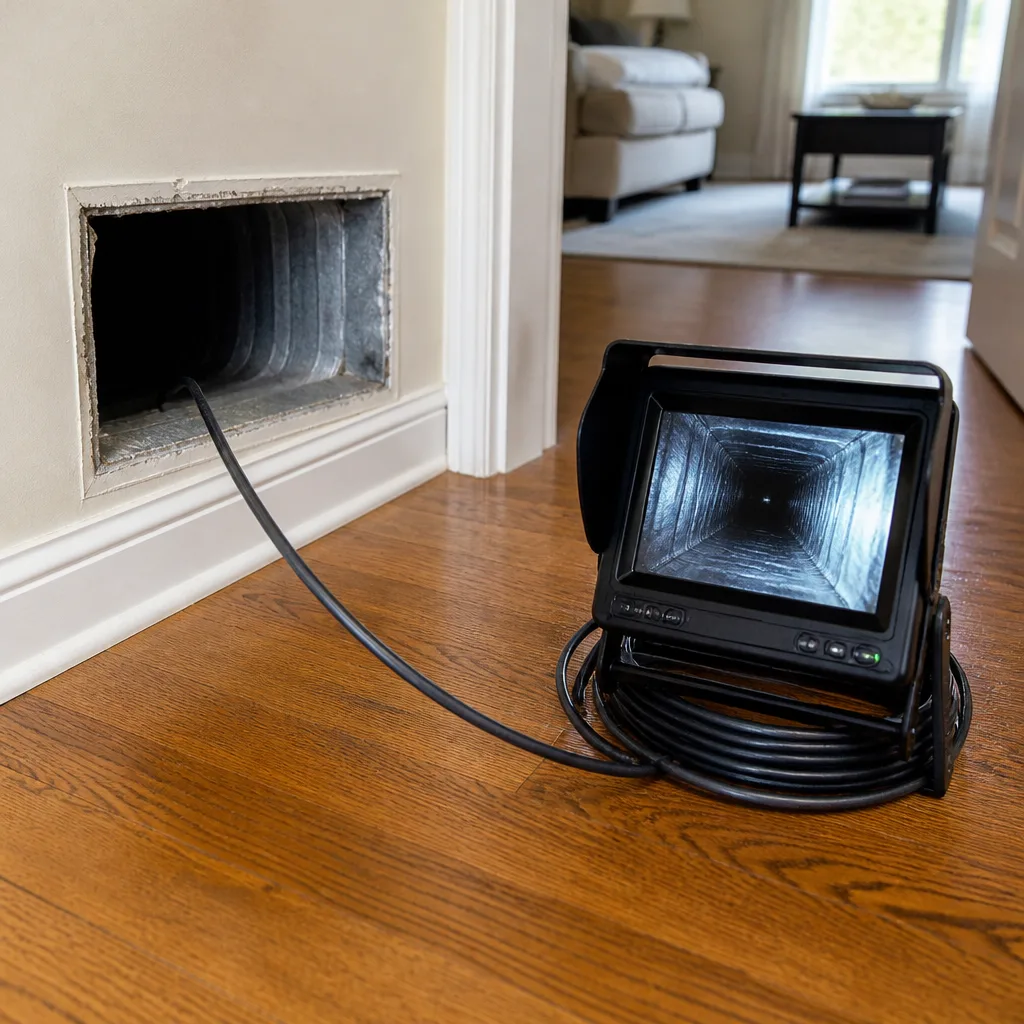 Camera inspection
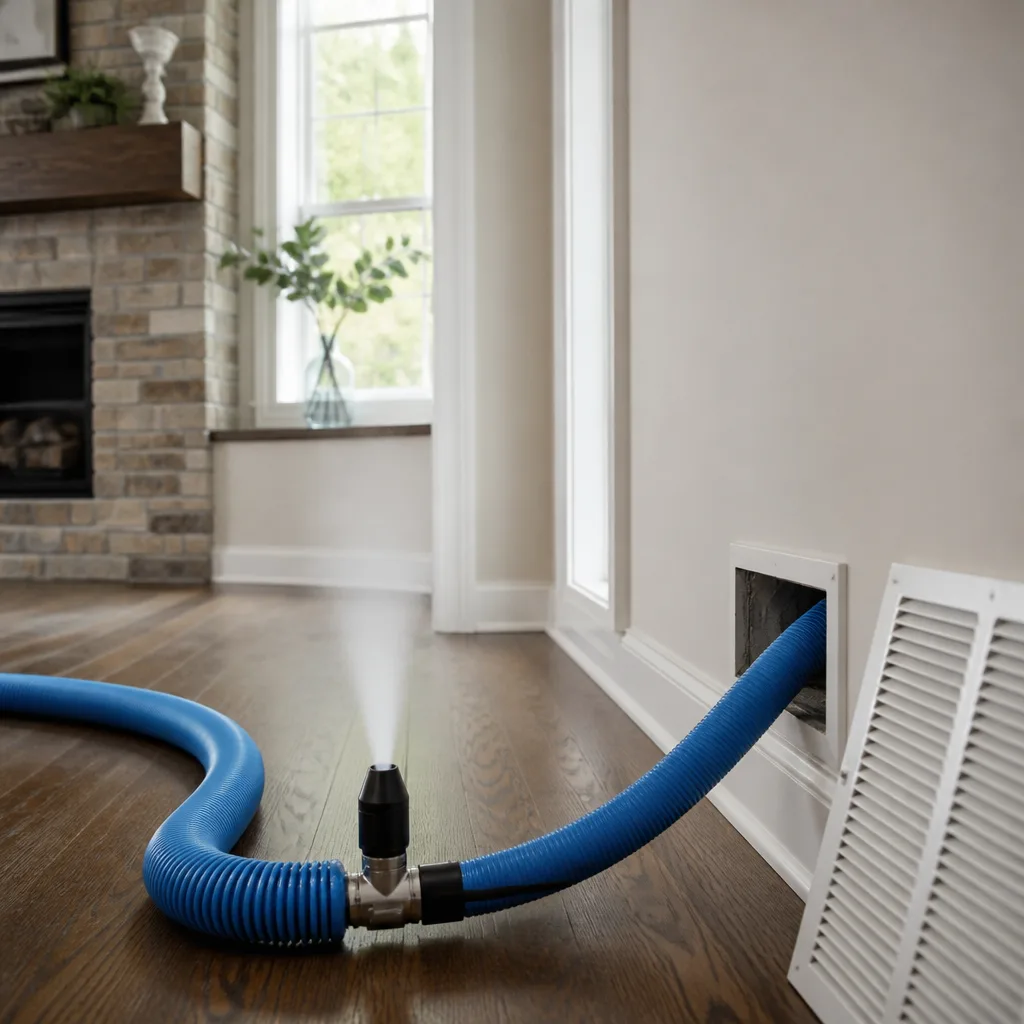 Sanitizing & deodorizing
Whole-system duct and dryer vent check with before-and-after photos - you see exactly what came out of your vents
That "$99 whole-house special" is a bait ad - the real number appears once they are in your hallway, or the "clean" is a shop-vac at the register. We photograph the inside of your ducts before and after instead.
DIY vs Professional Air Duct Cleaning: The Casa View Homeowner’s Decision Guide
A shop vac and a dryer brush can clean what you can see. The debris that actually degrades your indoor air lives in the parts of the duct system you can’t reach without a serious negative air machine. That gap – what’s visible versus what’s circulating – is the whole DIY versus professional question. It isn’t about how hard you’re willing to work or how much you want to spend. It’s about physics. In this guide, we’ll walk through the airflow mechanics behind source removal, what a homeowner can legitimately maintain, the real damage risks of improper DIY attempts, and the one situation where DIY is genuinely the right call. We’ll keep it specific to how ductwork actually behaves in Casa View homes, because the local construction and climate shape the answer.
Quick Answer
Professional air duct cleaning is the right choice when debris has built up beyond the registers, when your ducts are flex or have visible damage, or when anyone in the home has allergies or respiratory sensitivity. DIY cleaning works for register grilles, filter housings, and surface dust between professional intervals. A shop vac cannot generate the negative pressure needed to pull debris out of trunk lines, so it cleans the last two feet of the system and leaves the rest alone. In Casa View, where many homes have flex duct runs through warm attics, the difference matters more than in colder climates.
Styles & brands we work with
- Whole-home duct cleaning
- Dryer vent cleaning
- Camera inspection
- Sanitizing & deodorizing
Table of Contents
- The Physics of Source Removal: Why Airflow Velocity Beats Suction Power
- What You Can Legitimately Maintain Yourself
- What Professional Equipment Actually Does
- The Damage Risk of DIY Attempts on Flex Duct
- The Real Cost Comparison: DIY Failures and Remediation
- The One Scenario Where DIY Is the Right Call
- Casa View Climate and Housing: Why Local Context Matters
- Common Mistakes to Avoid
- When to Call a Professional
- Frequently Asked Questions
- The Bottom Line
The Physics of Source Removal: Why Airflow Velocity Beats Suction Power
Duct cleaning is not a suction contest. It’s a fluid dynamics problem, and the numbers explain why consumer equipment fails at it.
To move debris out of a duct, you need two things happening at once: mechanical agitation to dislodge particles from the duct wall, and enough air velocity through the duct to carry those particles to a collection point. Elevator dust, pet dander, skin cells, sheetrock fines from renovation – all of these cling to duct surfaces with surprising tenacity. Suction alone doesn’t peel them off. You need contact cleaning, a brush head physically agitating the surface, while negative pressure pulls the loosened material toward a filter.
Here’s the part most homeowners don’t consider: a standard shop vac pulls about 100 to 150 cubic feet per minute of air. A professional negative air machine can move 500 CFM or more, but the CFM number isn’t the whole story. The velocity inside a 6-inch round duct depends on both the airflow and the cross-sectional area. Push 500 CFM through a trunk line and you get enough velocity to keep debris suspended all the way to the collection point. Push 150 CFM through the same duct and debris settles back down before it travels more than a few feet.
- Velocity, not vacuum strength, moves debris. A high-vacuum, low-flow shop vac pulls hard at the nozzle but can’t sustain airflow down a long duct run.
- Pressure differential is what contains the job. Negative pressure inside the duct means air flows in, not out, so loosened debris doesn’t escape into living space.
- Contact is required for stuck debris. Even high velocity won’t dislodge caked dust from a duct wall without mechanical agitation.
- Trunk lines and plenum runs are the hard part. Branch lines are short; the trunk line between the air handler and your register runs is where the debris volume actually lives.
In our experience, a homeowner with a shop vac cleans the register boot and maybe the first foot of branch duct. That’s roughly the last 5 to 20 percent of the system, depending on how the runs are laid out. The rest sits untouched. That’s the physics story in one sentence: DIY cleaning is effective at the register level and ineffective everywhere upstream of it.
What You Can Legitimately Maintain Yourself
We’re not going to tell you to never touch your ducts. There are real, useful maintenance tasks a homeowner can do between professional cleanings, and doing them well extends the interval between full cleanings.
Start with the filter. This is the single highest-impact thing you can do for indoor air quality, and it costs nothing but a few minutes every month or so. Check the filter housing at your air handler. A clogged filter chokes airflow, raises static pressure, and can make the system work harder than it should. Replace or clean the filter according to the manufacturer’s guidance and your own inspection, especially after any indoor renovation work. That alone handles more particles than most people realize.
Register grilles are next. Remove the grille, wipe the surface with a damp cloth, and vacuum the visible dust off the back side. It’s not duct cleaning, but it’s the visible layer of dust that most people are actually reacting to when they think they have dirty ducts. Clean grilles look better and slightly reduce the dust that falls back into the room.
What you can safely do yourself:
- Replace the HVAC filter on a reasonable schedule, and inspect it after dusty events.
- Wipe and vacuum register grilles and return grilles from the room-facing side.
- Vacuum the immediate area around the return grille with a HEPA-equipped household vacuum.
- Keep the air handler closet or mechanical room clear of stored debris and dust.
- Check supply registers for obvious debris like construction dust or pet hair and remove it.
What you should not do yourself:
- Feed a brush or vacuum hose deep into branch or trunk ductwork from a register.
- Remove the air handler access panel and clean inside the cabinet. This risks electrical exposure and coil damage.
- Spray any sanitizing or antimicrobial product into ductwork. Applied wrong, it wets insulation and creates a damp environment where biological growth thrives.
- Attempt to seal or repair flex duct connections you can’t see clearly. Poorly taped connections are worse than the ones you started with.
That line – clean what you can see, don’t go inside the system – is the practical boundary. Everything past the register boot requires equipment and technique a homeowner doesn’t have, and trying to force it usually causes problems the homeowner didn’t have before.
What Professional Equipment Actually Does
Professional air duct cleaning isn’t a bigger shop vac on wheels. It’s a system of equipment working together, and each piece does a different job.
1. On-site containment and filtration
Before any cleaning starts, professional-grade filtration is set up at the register, at the air handler, or both. We use Abatement Technologies air filtration equipment on every job. The point of containment is that loosened debris is captured at the source rather than recirculated through the home. If you imagine the “dust bomb” stories people tell about cheap duct cleaning, the cause is usually cleaning without containment – high-pressure air blasted into a duct with nothing pulling the loosened material into a HEPA filter.
2. Negative pressure at the source
A high-powered vacuum unit (we use Nikro industrial vacuums, the same class of equipment used in restoration and abatement work) pulls the entire duct system into negative pressure. Air flows from the living space into the ducts, not out. That direction matters, because it means anything dislodged during cleaning goes toward the collection point, not into the room.
3. Mechanical agitation with contact cleaning
Rotobrush equipment is the workhorse for contact cleaning. A rotating brush head travels through the ductwork with an attached vacuum line, so the surface is scrubbed and the loosened material is captured in the same pass. This is mechanical agitation, not just airflow, and it’s the step that actually removes caked dust from duct walls. Surface-level cleaning without agitation doesn’t remove the debris bonded to the duct surface, and that debris is exactly what re-enters the airstream when conditions change.
4. The full air pathway
The professional job treats the entire system as one connected problem. Supply and return ducts, the air handler cabinet, the blower, and the evaporator coil all interact. Cleaning one without the others leaves re-contamination paths open. That’s why the full air pathway approach matters, and why air duct cleaning done properly involves more than vacuuming the visible parts. If your focus is on the whole mechanical side of the system, HVAC cleaning covers the coil, blower, and cabinet in the same visit.
5. Repair and seal in the same visit
Duct cleaning usually turns up a surprise: a disconnected flex run, a tear from a previous repair, or a joint taped with materials that have long since failed. That’s why we handle Duct Repair & Sealing as an in-house service. Leaking ducts waste energy and pull attic air into the system. Repairing and sealing in the same visit means you don’t schedule a second contractor for something that turned up during cleaning.
The Damage Risk of DIY Attempts on Flex Duct
Flex duct is forgiving to install and unforgiving to handle wrong. This matters a great deal in Casa View, where much of the housing stock was built with flex duct running through warm attic spaces.
Flex duct has three components: an inner liner that carries the air, a layer of insulation, and an outer jacket. The inner liner is thin, and it’s the aerodynamically critical surface. Push a shop vac hose into a branch duct and you’re likely to abrade or tear that inner liner. A small tear creates turbulence and can collapse the liner under airflow, which reduces delivery to that room and creates a trap for dust at the tear.
Common DIY damage patterns we see:
- Punctured inner liner. A rigid vacuum nozzle or a plumbing snake scores the liner, and the duct starts whistling or underperforming.
- Disconnected connections. Yanking the hose out of a register can pull a flex run loose at the boot or the trunk collar, dumping conditioned air into the attic.
- Compressed insulation. Pushing anything through a flex run compresses the insulation layer, which reduces the duct’s thermal performance and can lead to condensation on the jacket in humid months.
- Improper tape and mastic. The most common follow-up repair we see after a DIY attempt is a joint re-taped with something that won’t hold. It looks fine for a season and then fails.
- Hidden damage at the trunk. A disconnect at a trunk collar isn’t visible from the register. It only becomes obvious when the room is cold in the summer and you’re paying to cool the attic.
None of this is meant to be scare talk. The point is that consumer equipment isn’t designed to handle flex duct, and a $30 shop vac attachment can turn a normal cleaning into a $400 duct repair. If you’re going to clean ducts at all, the right equipment matters as much as the right technique.
The Real Cost Comparison: DIY Failures and Remediation
A fair cost comparison starts with what a professional exterior job costs in the Casa View market, then asks whether DIY gets you there for less. Let’s lay it out honestly.
Typical Casa View air duct cleaning cost ranges
- Whole-home duct cleaning (standard single-family, one HVAC system): approximately $300 to $600, depending on the number of registers, system layout, and accessibility.
- Duct inspection with cleaning, when leaks or disconnected runs are found: a written estimate is provided after the technician sees the system.
- Duct repair and sealing (per damaged run or connection): quoted per job in the written estimate before work starts.
- Air quality and sanitizing treatment (Guardsman antimicrobial step): quoted per system.
- Dryer vent cleaning (often paired with duct service): quoted per job.
Now the DIY side. A shop vac you probably already own, a dryer vent brush kit runs about $20 to $40, and a few hours of your time. On the surface, that’s a huge savings. But compare the outcomes:
What DIY actually buys you:
- The register grilles are visibly cleaner.
- The first foot or so of each branch duct is cleaner.
- You spent an afternoon on it, and may have compressed insulation, torn a liner, or loosened a flex connection along the way.
- Debris in the trunk lines and plenum runs is untouched.
What happens after a failed DIY attempt:
When we’re called to a home where DIY was attempted and the results were poor, the job becomes larger, not smaller. The cleaner job now includes:
- Inspecting every visible flex connection for dislodged joints or torn liners.
- Re-sealing any connection that was poorly taped or partially disconnected.
- Cleaning the full air pathway, including the trunk lines the homeowner couldn’t reach.
- Addressing the possibility of insulation damage in flex runs near the register boots.
The realistic math: professional whole-home cleaning from the start costs less than a failed DIY attempt plus the follow-up professional job plus duct repair. And the DIY attempt leaves you where you started on the actual air quality problem in the trunk lines. If your goal is genuinely cleaner ducts, DIY is the more expensive path. If your goal is “cleaner looking register grilles,” DIY works just fine, and we’ll cover that next. For the full picture of what a professional job includes, see our Air Duct Cleaning Casa View page, which walks through the process step by step.
The One Scenario Where DIY Is the Right Call
We mentioned this earlier and we mean it: there’s a real use case for DIY. Register-level cleaning between professional service intervals is worthwhile, safe, and inexpensive.
Between full professional cleanings (which most homes need every two to five years, more often in high-pet or high-allergy households), the visible surfaces get dusty. Register grilles accumulate lint and dust that you can see and touch. Return grilles pull in pet hair and carpet fibers. This dust is the layer that actually bothers most people, and it’s exactly the layer you can remove with a screwdriver, a damp cloth, and a household vacuum.
Register-level cleaning routine:
- Turn off the HVAC system at the thermostat.
- Remove each supply and return register grille with a screwdriver.
- Wipe the grille with a damp cloth or vacuum with a brush attachment on both sides.
- With the grille removed, vacuum the visible duct collar and register boot surface gently, without pushing the nozzle deep into the branch duct.
- Replace the grille and replace the HVAC filter if it’s due.
- Repeat every few months, or any time you notice visible dust accumulation.
This routine is genuinely useful. It’s also the entire DIY envelope. Past the register boot, you’re in branches and trunks, and that’s professional territory. If your ducts have never been cleaned and you’re not sure where they stand, a professional inspection before you commit to any DIY effort is the wiser first step – see air duct cleaning for what a proper inspection covers. In Casa View, where many homes were built with sealed attic ducts and run long trunk lines across the ceiling, the trunk sections are the hardest to reach and the most likely to hold the debris.
Casa View Climate and Housing: Why Local Context Matters
Casa View sits on the eastern side of Dallas, and the local climate and housing stock shape how duct cleaning questions play out here.
Winters in this part of Texas are mild. That matters because the heaviest period of duct debris accumulation tends to be driven by cooling season – months of near-continuous runtime, high humidity, and a lot of dust recirculated through the system. Homes here run the AC through a long warm season, and the filter, coils, and duct surfaces all work harder than they would in a cooler climate. Condensate issues and humidity also matter, because a duct system that pulls in humid attic air through small leaks can create conditions where biological growth is more likely on cool surfaces.
Many Casa View homes are older single-story builds with flex duct running through a hot attic. That configuration produces two things homeowners should know about:
- Duct leaks pull attic air inward. In a hot attic, a leaking return duct draws superheated air directly into the system, which drives up cooling costs and shortens equipment life.
- Flex duct connections are fragile. Years of thermal cycling and attic heat make taped connections fail, and once a joint opens, the leak gets progressively worse.
Casa View isn’t a single neighborhood so much as a collection of established residential streets – the kind of place where homes built decades apart sit next to each other, and duct systems vary accordingly. Some have been retrofitted with new flex duct, others have original runs that have never been touched. This is why we tell homeowners to start with inspection, not assumption. A duct cleaning in Casa View should begin with a look at what’s actually there before any work begins.
One more local point: because winters are mild, homeowners here sometimes forget the heating side of ductwork entirely. Heating duct runs get the same dust, and on older homes they can hide disconnected joints that only matter during the few cold snaps each year. The angle is always the same – if ducts haven’t been cleaned or inspected in a long time, the whole air pathway is worth a look.
See the difference
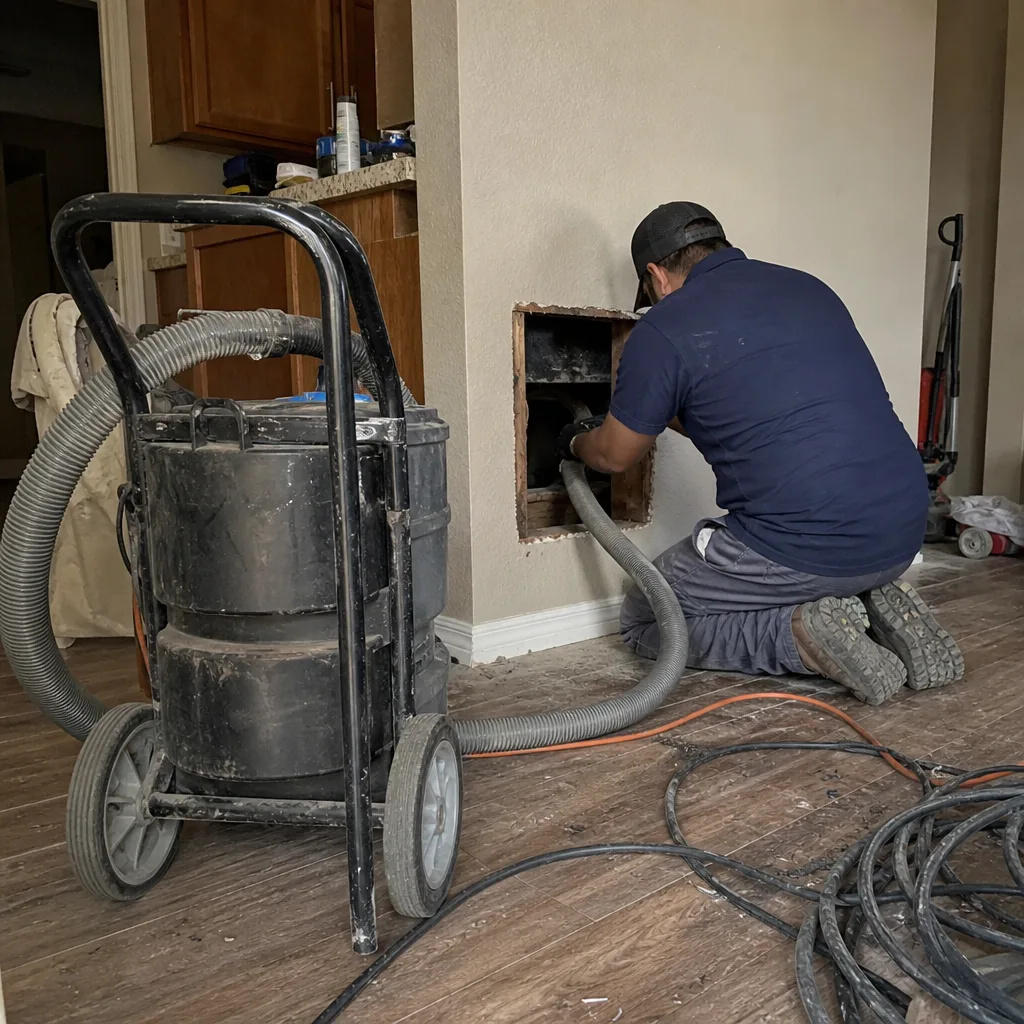 Before
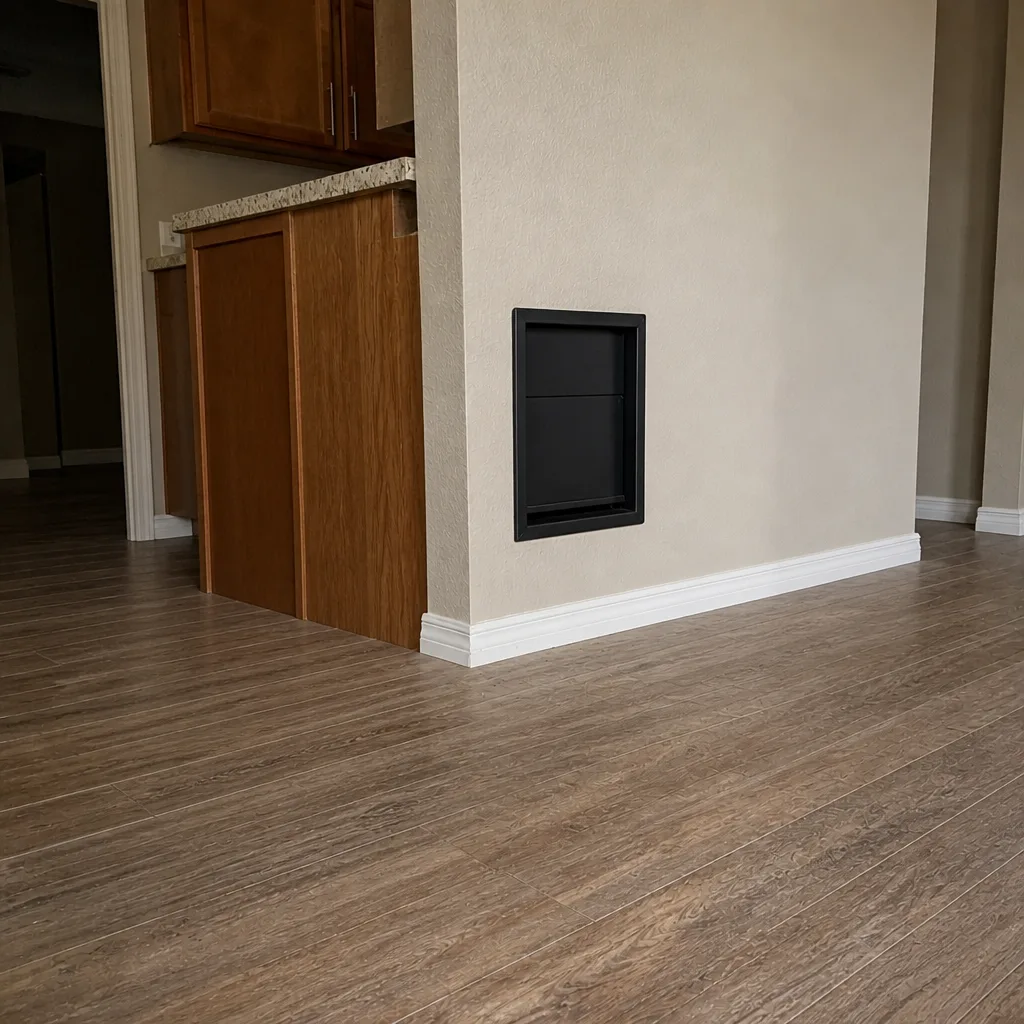 After
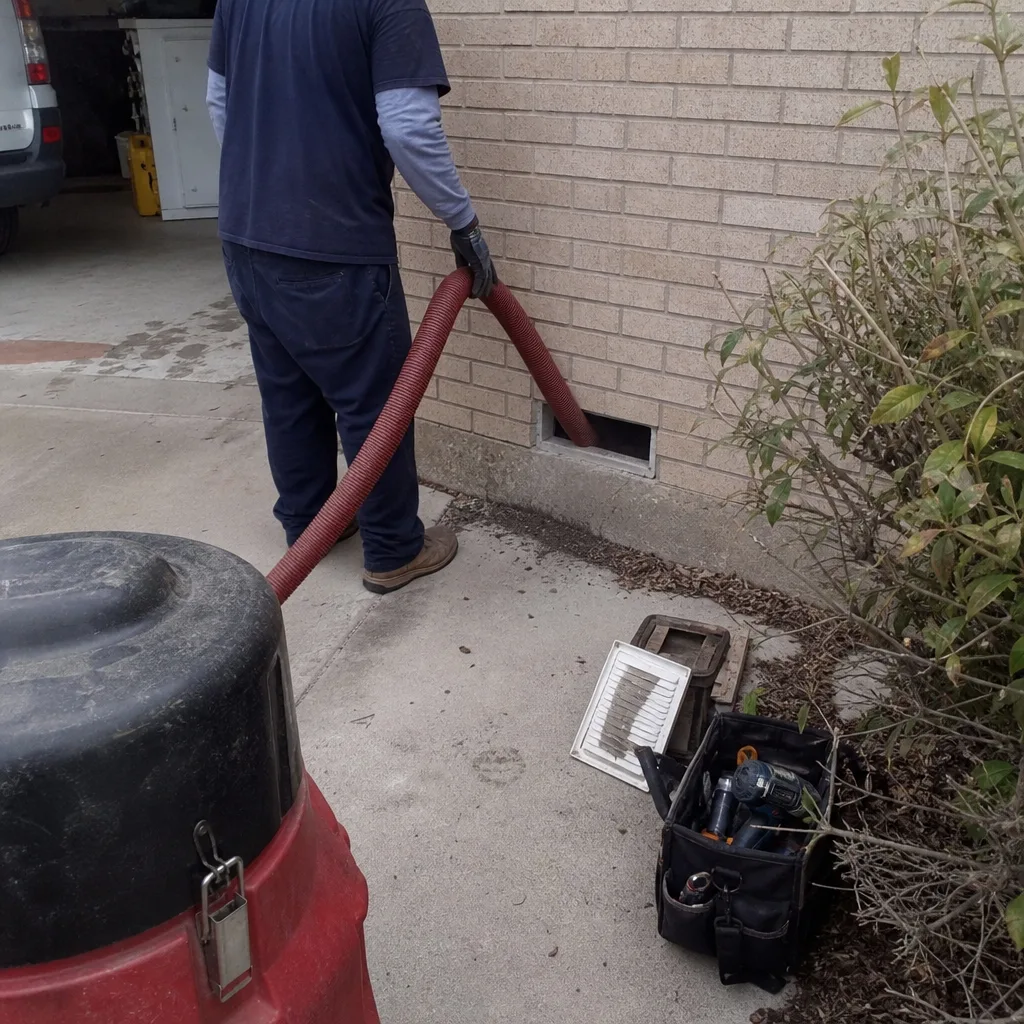 Before
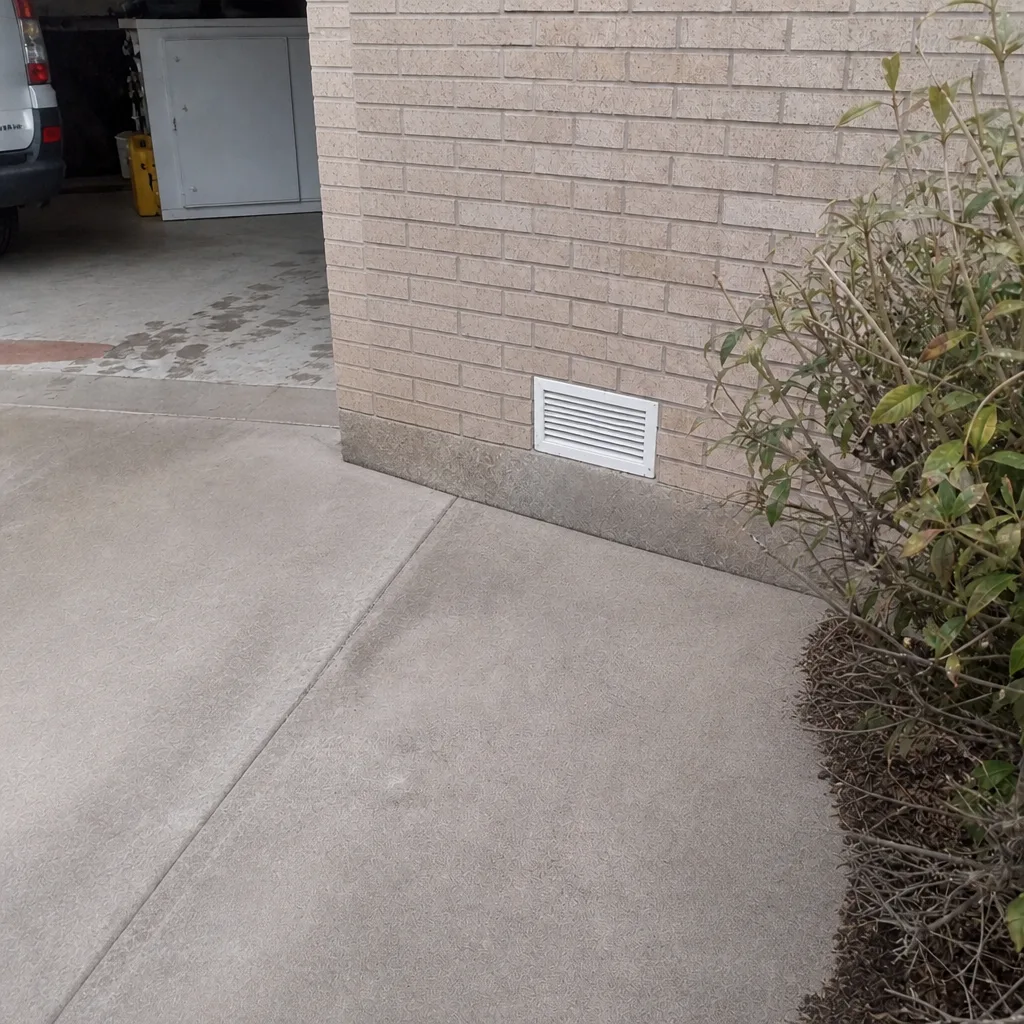 After
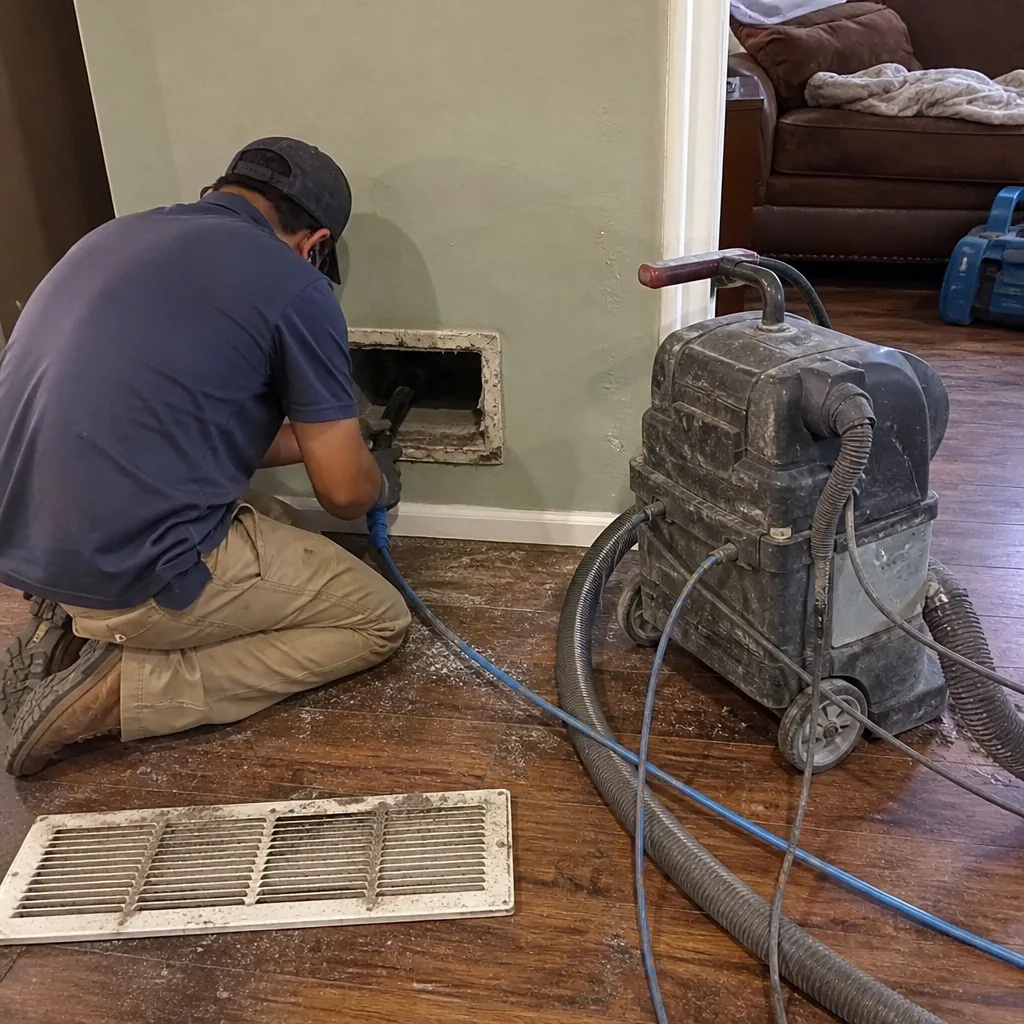 Before
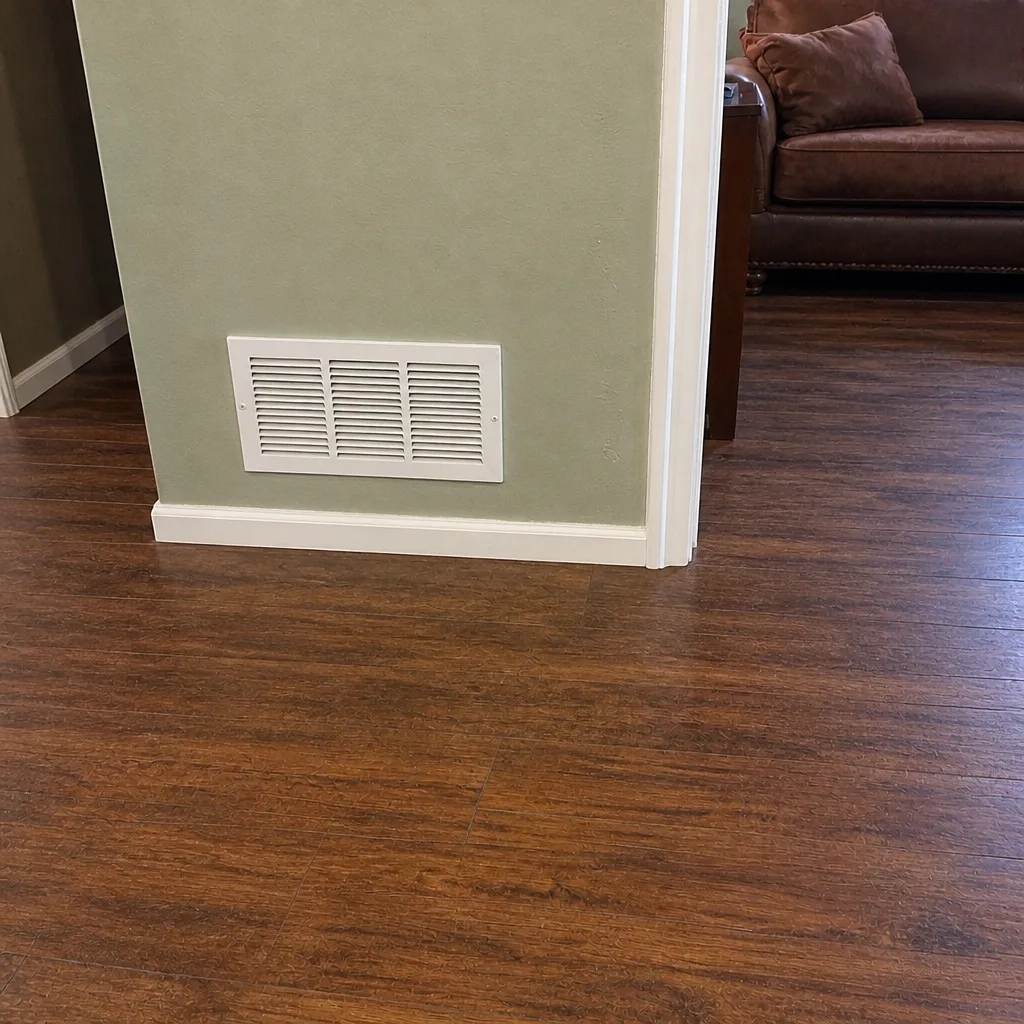 After
Common Mistakes to Avoid
- Assuming a clean-looking register means clean ducts. The register grille is the visible surface, and it tells you almost nothing about the condition of the branch or trunk lines behind it.
- Renting a consumer-grade duct cleaning machine. Rental units rarely generate the airflow or containment a real job requires, and the results look better than they are. You’ve paid for the illusion of a cleaning.
- Blasting high-pressure air into a duct without containment. This is the single fastest way to coat your living room in dislodged dust. It’s also a common shortcut in cheap duct cleaning offers.
- Spraying sanitizer yourself. Wetting duct insulation is one of the most reliable ways to create a damp environment where growth can start. Sanitizing belongs in a controlled process with the right product, applied by a technician who knows what to avoid.
- Ignoring a disconnected flex run because “it looks fine from the register.” A flex connection can be loose at the trunk collar where you’ll never see it. It’s costing you cooling dollars every month.
- Skipping the dryer vent in a duct service. A dryer vent is part of the air pathway, and lint buildup in the vent is a known fire risk many air-duct-only providers overlook. Dryer vent cleaning is a separate service for a reason, and it belongs in the same visit when it’s due.
- Hiring the cheapest quote without asking about equipment. A quote that doesn’t mention containment, negative pressure, or mechanical agitation is a quote for surface-level cleaning.
When to Call a Professional
You should call a professional for duct cleaning when any of the following is true:
- You’ve never had the ducts cleaned and you don’t know when they were last touched.
- You’ve recently bought an older home in Casa View and want a baseline inspection before moving in.
- Anyone in the household has asthma, allergies, or respiratory sensitivity.
- You have pets that shed significantly, or young children, and dust accumulates quickly.
- You’ve recently completed renovation work that generated dust and debris.
- You’ve found visible debris inside a branch duct past the register boot.
- You suspect a disconnected or damaged flex run based on uneven room temperatures.
- Your dryer vent hasn’t been cleaned and the dryer takes longer than it used to.
Air Duct Cleaning Casa View offers free estimates in Casa View. Call (888) 886-6271 to book an inspection and get a written estimate before any work begins. We answer 24/7. Fast dispatch from 7am to 7pm, Sunday through Friday.
Frequently Asked Questions
Whole-home air duct cleaning in Casa View typically runs roughly $300 to $600 for a standard single-family home on one HVAC system. The final price depends on register count, system layout, accessibility, and whether repair or sanitizing is needed, and it’s always set in writing before work starts. Call (888) 886-6271 for an exact quote – estimates are free.
You can clean register grilles and the immediate register boot with a shop vac, but you cannot clean the branch and trunk ducts effectively. A shop vac doesn’t generate the airflow velocity or negative pressure needed to move debris through a long duct run, so most of the system stays untouched. Call us for a full-system estimate if you want the parts you can’t reach handled properly.
Most Casa View homes need a professional duct cleaning every two to five years, and more often in households with pets, allergies, or recent renovation. The long cooling season here means the system runs hard for much of the year, which builds debris faster than in cooler climates. Call (888) 886-6271 to book an inspection and we’ll tell you honestly whether your ducts actually need cleaning.
Cheap quotes usually skip containment, skip mechanical agitation, or send a technician with a portable shop-vac-style unit that can’t move debris out of the trunk lines. The job that gets done for a low price is register-level cleaning dressed up as full-system cleaning. Ask any provider what equipment they use and whether they set up on-site filtration. Call (888) 886-6271 for an honest full-system quote.
Ask for before-and-after photos of your own ducts and a clear explanation of what was cleaned. A proper job includes visible evidence – the filter housing, the register boots, and the trunk line results can all be photographed. If a provider can’t or won’t document the work, that’s a signal. We photograph every job and share the images with you. Call (888) 886-6271 to book a documented cleaning.
Professional cleaning with the right equipment does not damage flex duct. Improper DIY cleaning can puncture the inner liner, compress insulation, or disconnect a flex connection at the trunk or boot. That’s why we use Rotobrush contact cleaning equipment with a controlled brush head rather than forcing a shop vac nozzle down a flex run. If you’re concerned about existing damage, call (888) 886-6271 and we’ll inspect before cleaning.
The Bottom Line
The DIY versus professional question comes down to what you’re trying to accomplish. If you want visibly cleaner registers, cleaner filter housings, and less visible dust in the room, DIY is genuinely useful – do it, and do it between professional cleanings. If you want the trunk lines, branch runs, and plenum cleared of the debris that’s actually degrading your indoor air, you need the airflow velocity and negative pressure a professional system produces, plus the mechanical agitation that loosens debris from duct walls. The physics doesn’t change with effort. Clean what you can see, and call a professional for the rest. In Casa View, the combination of long cooling seasons and flex duct in hot attics makes the difference between surface cleaning and full-system cleaning especially meaningful. Air Duct Cleaning Casa View handles the whole air pathway – ducts, HVAC, dryer vent, sanitizing, and repair – in a single visit, with the same equipment used in professional restoration work. Call (888) 886-6271 for a free estimate. We answer 24/7. Fast dispatch from 7am to 7pm, Sunday through Friday.
Written by the team at Air Duct Cleaning Casa View.