
Last updated November 23, 2026
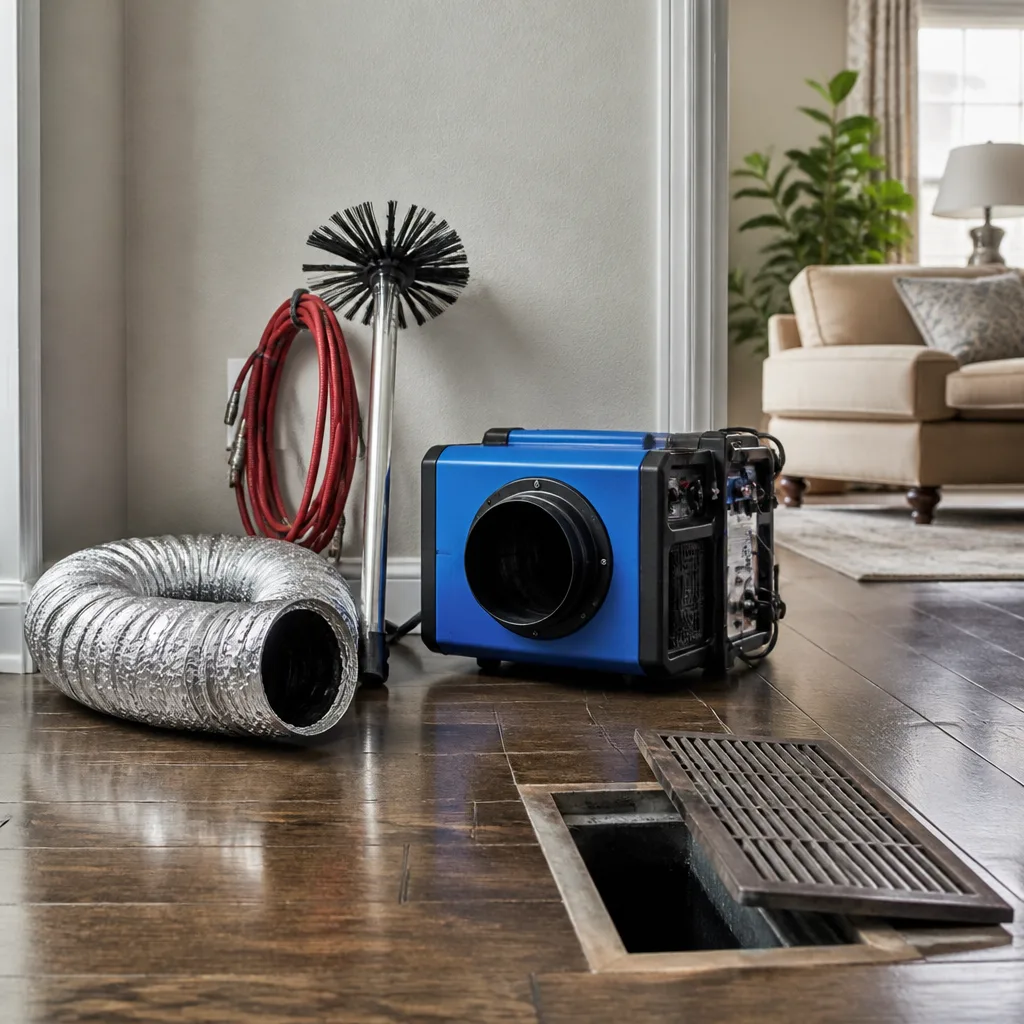 Whole-home duct cleaning
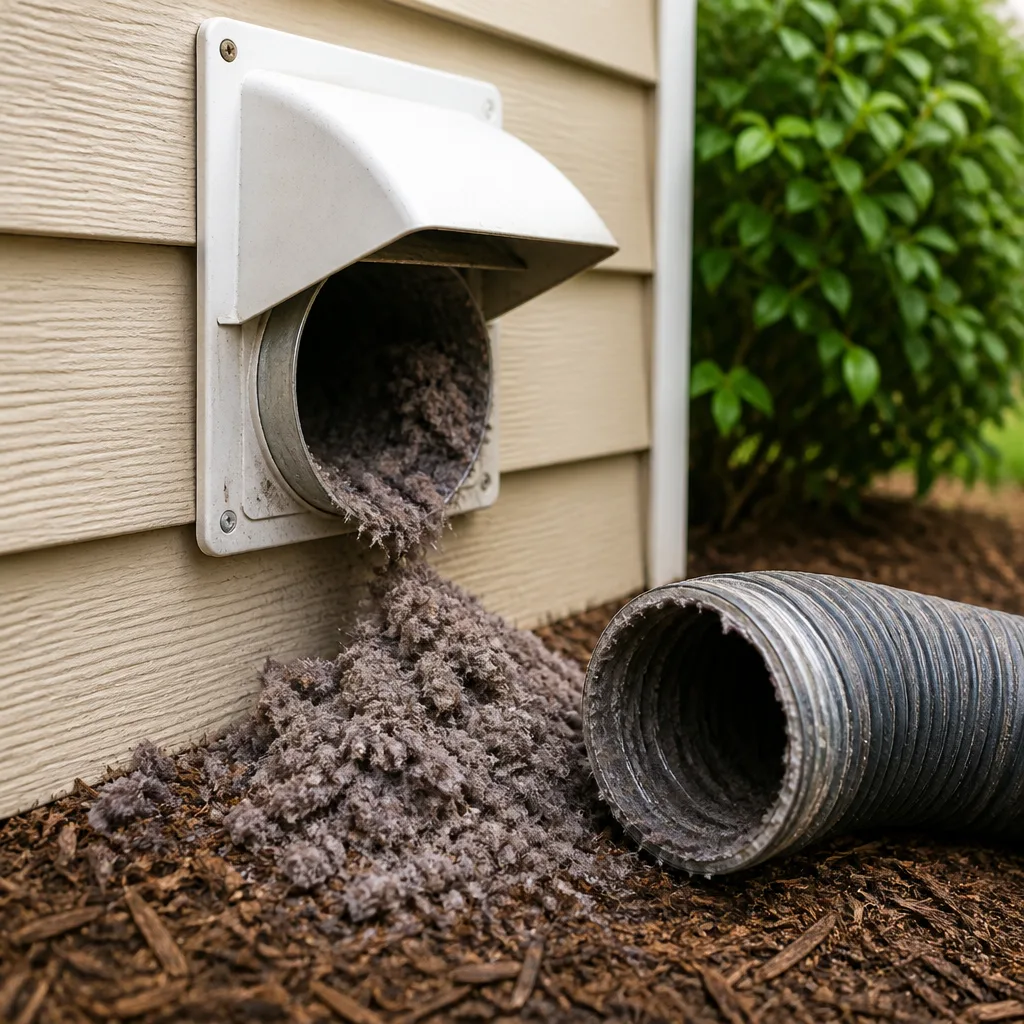 Dryer vent cleaning
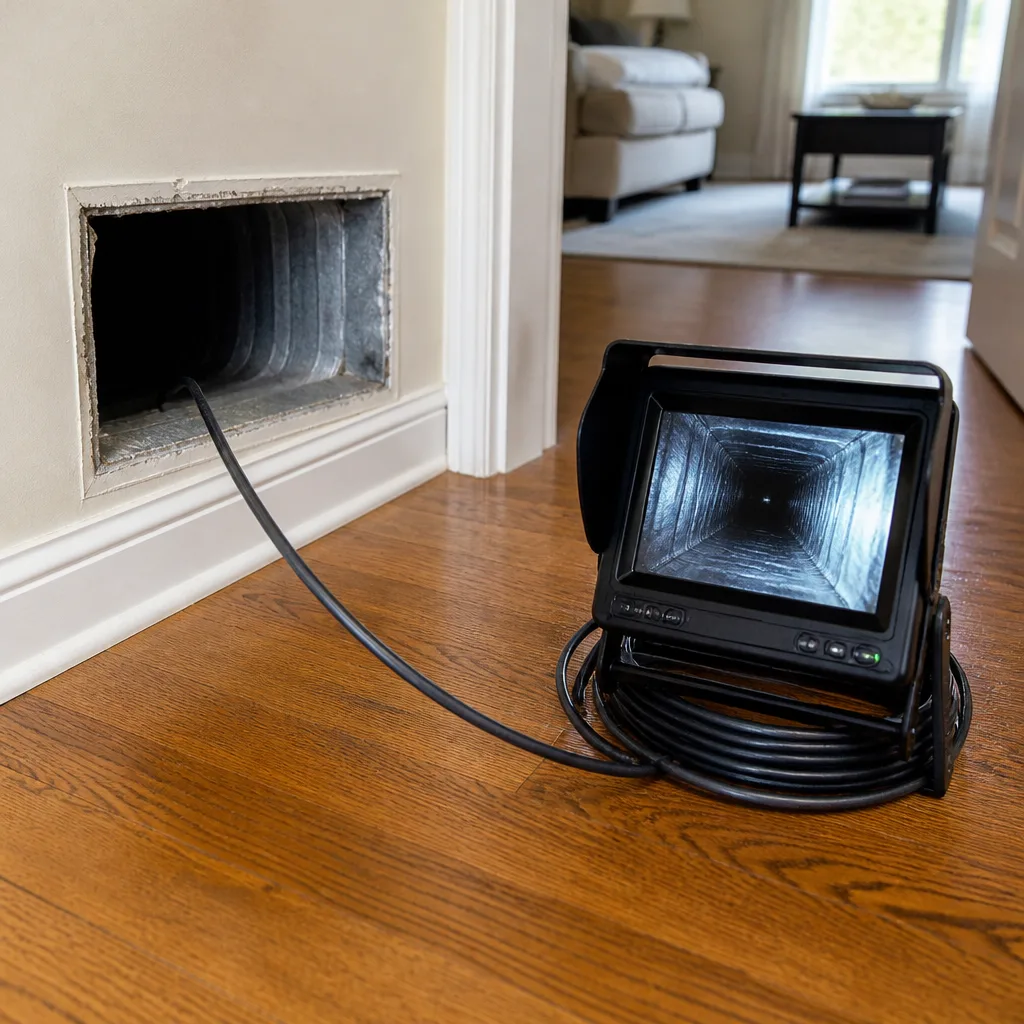 Camera inspection
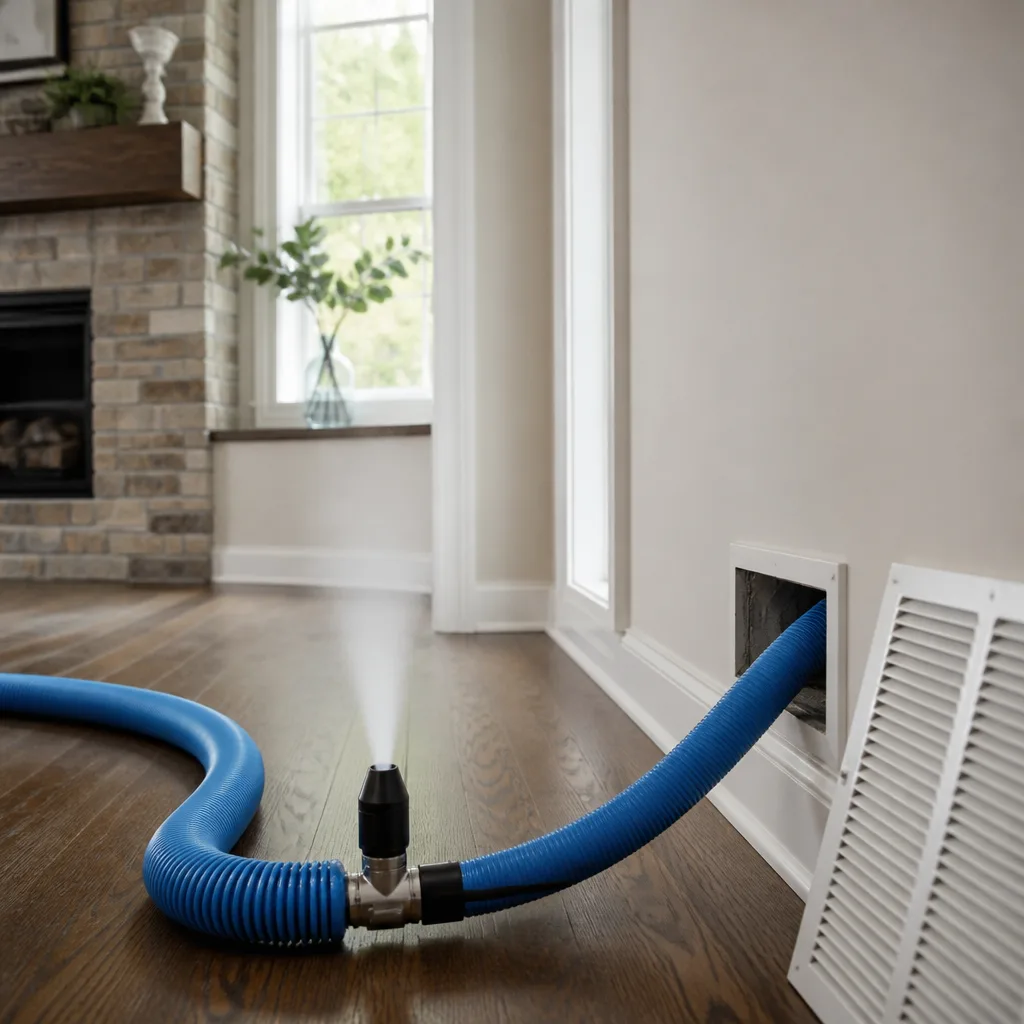 Sanitizing & deodorizing
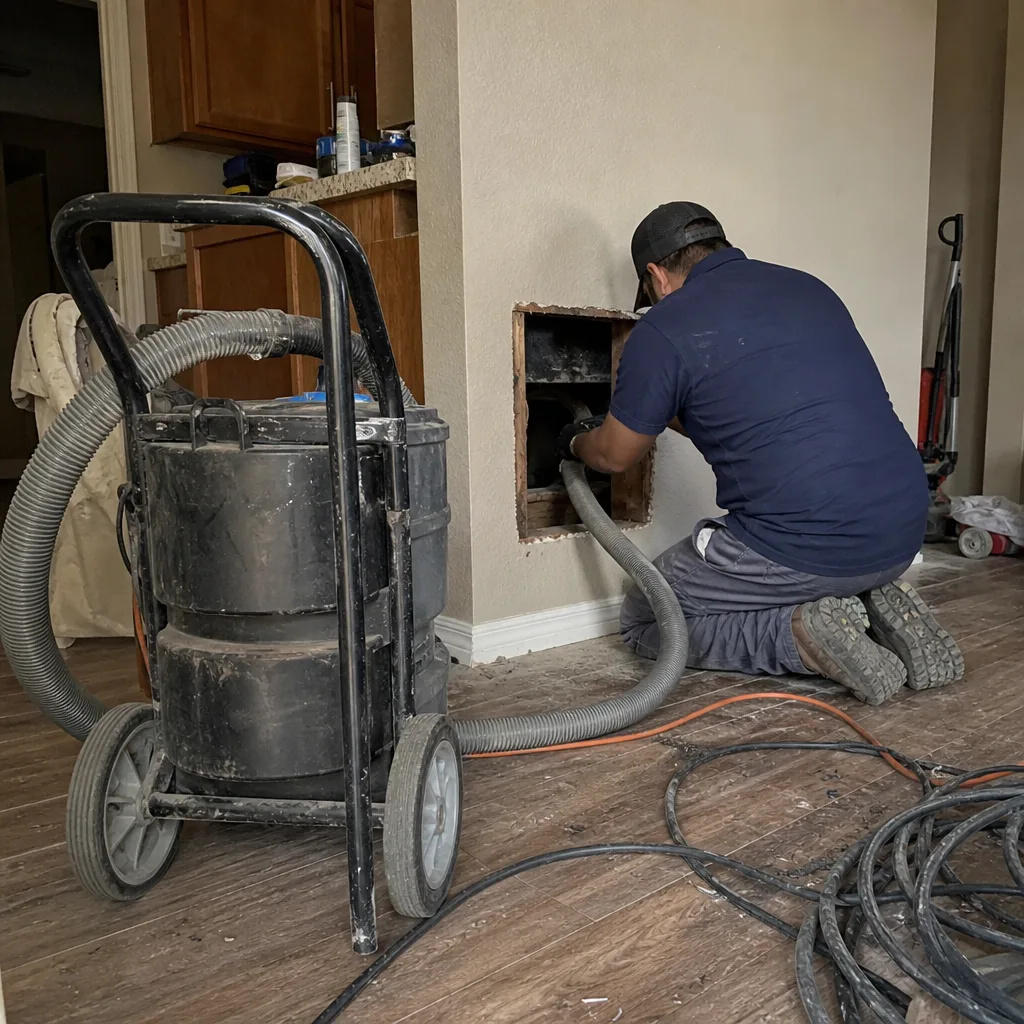
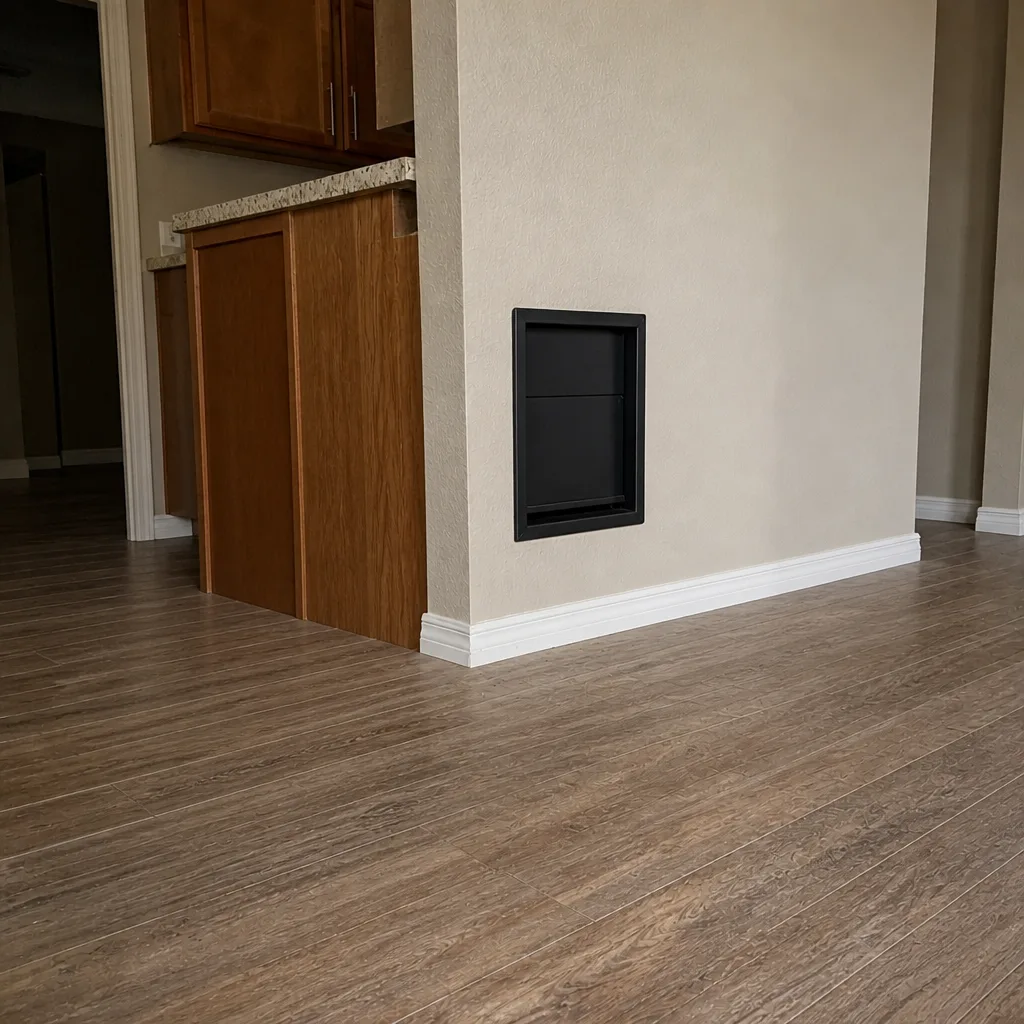
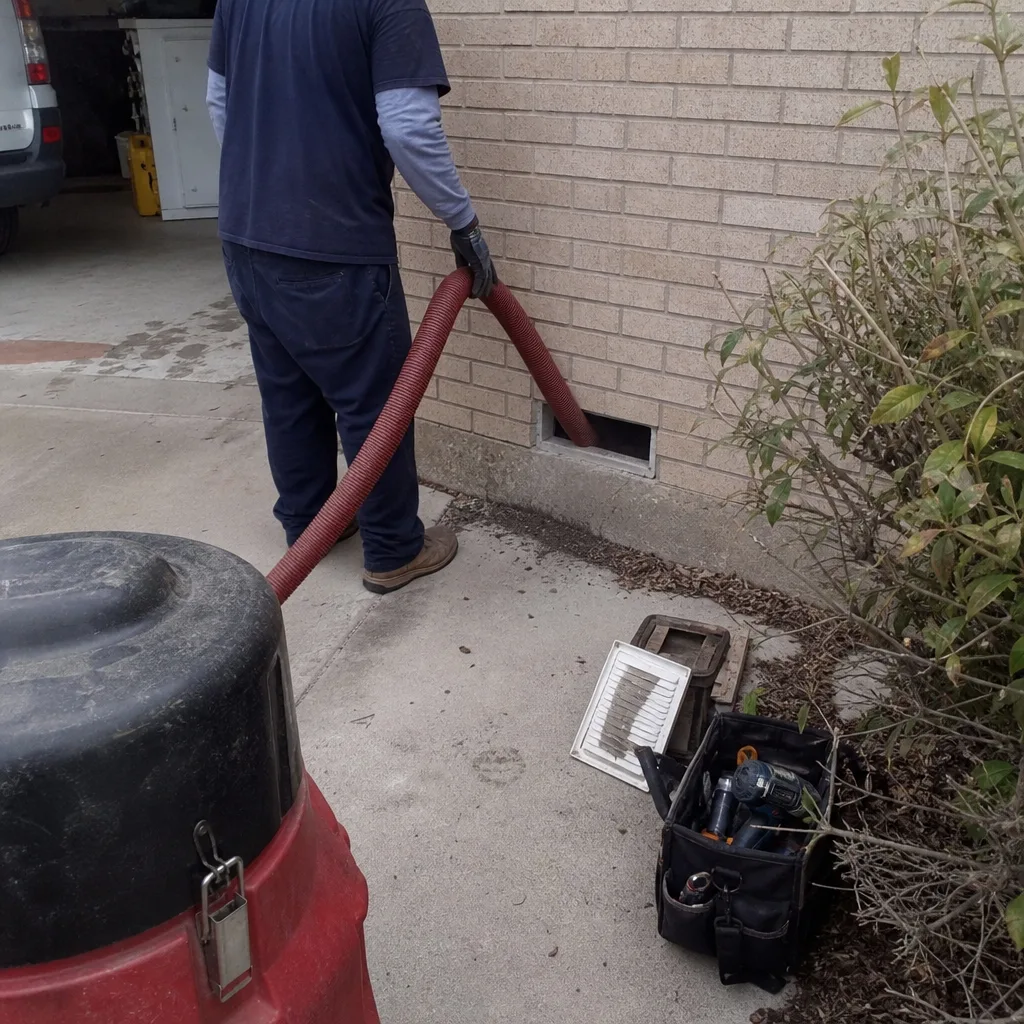
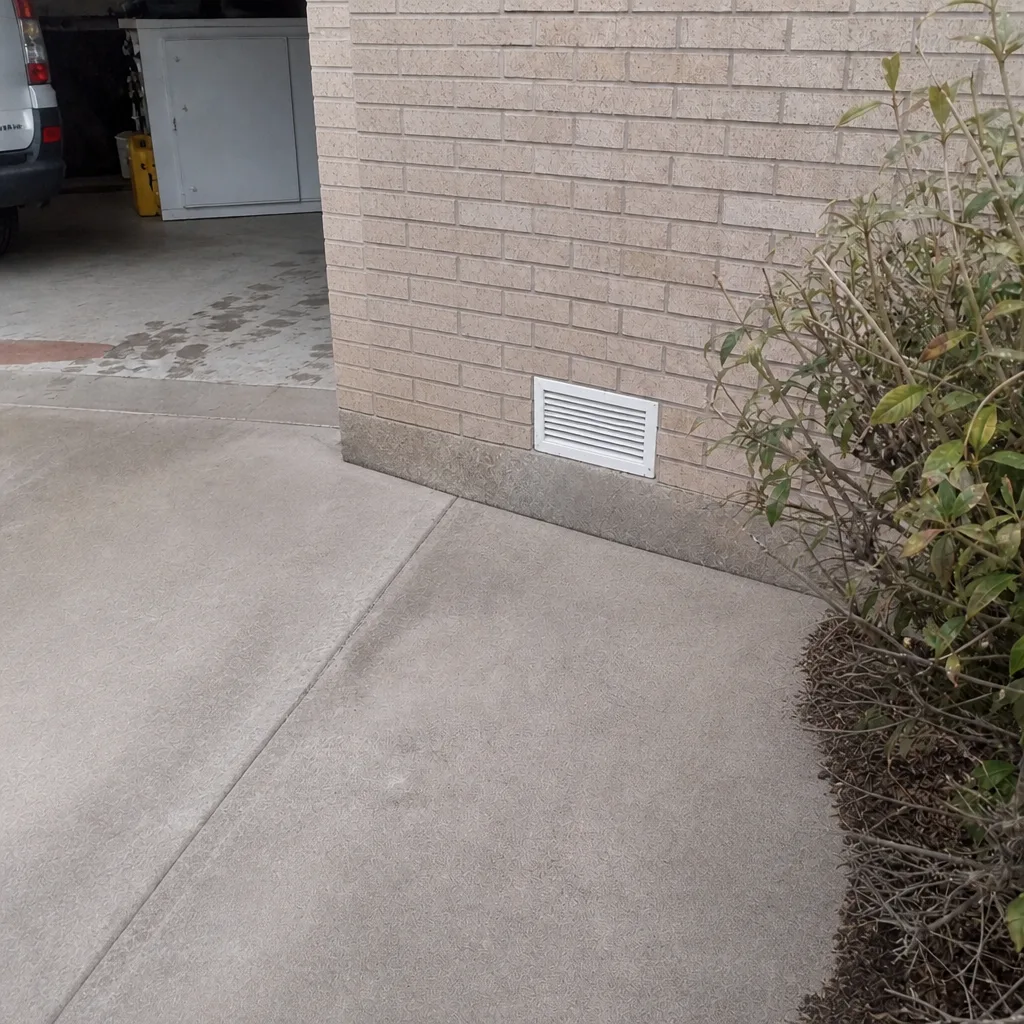
Whole-system duct and dryer vent check with before-and-after photos - you see exactly what came out of your vents
That "$99 whole-house special" is a bait ad - the real number appears once they are in your hallway, or the "clean" is a shop-vac at the register. We photograph the inside of your ducts before and after instead.
How to Hire an Air Duct Cleaning Contractor in Casa View: A Step-by-Step Guide
The $99 coupon in your mailbox describes a service that NADCA (the National Air Duct Cleaners Association) explicitly classifies as inadequate for a whole-home system. That’s the honest starting point. In Casa View, a neighborhood of sturdy mid-century ranch homes where the original ductwork in many houses has quietly aged through decades of hot, dry summers, the gap between a cheap coupon and real work is the difference between clean air and a bill that solves nothing. This guide teaches you to judge a duct cleaning contractor on equipment, process, and written scope, not on price and review stars alone. By the end, you’ll know exactly what to ask before anyone steps inside.
Quick Answer
To hire an air duct cleaning contractor in Casa View, verify three things before you book: proof of NADCA certification, the specific brand and type of equipment they’ll bring into your home, and a written scope of work that names what gets cleaned and at what flat price. Ask for the source-capture equipment and mechanical contact-cleaning tools by name. If a contractor can’t answer those questions clearly, walk away. The cost of the wrong hire is always higher than the price difference on the quote.
Styles & brands we work with
- Whole-home duct cleaning
- Dryer vent cleaning
- Camera inspection
- Sanitizing & deodorizing
Table of Contents
- The Five Equipment Questions to Ask Before You Schedule
- Why NADCA Certification Matters and How to Verify It
- DFW-Area Red Flags: Door-to-Door Pricing and Per-Vent Billing
- What a Legitimate Scope of Work Should Include in Writing
- The Mid-Job Transparency Test
- Cleaning the Full Air Pathway, Not Just the Vents
- Questions a Professional Contractor Will Ask You First
- Reading the Contract and the Estimate
The Five Equipment Questions to Ask Before You Schedule
A contractor’s equipment tells you what kind of job they’re actually set up to do. On the phone, ask these five questions and listen for specifics. Vague answers are the tell. We’ve heard every version of “we use the best equipment in the industry” and none of it means anything.
- What vacuum source will you use, and what is its rated airflow and vacuum pressure? Professional-grade units are measured against recognized standards. Portable shop vacuums and low-powered blowers do not meet the bar for whole-system cleaning.
- Do you use mechanical contact cleaning, or just negative pressure? Contact cleaning means a rotating brush or air whip physically agitates the dust bonded to duct walls. That’s the Rotobrush-style process. Negative pressure alone, without agitation, leaves the bonded layer behind.
- What filtration equipment do you use on-site? A legitimate outfit brings HEPA or equivalent air filtration to capture what’s released during the process. Abatement Technologies filtration is standard in restoration and abatement work. Ask what they bring.
- How do you contain the work area during cleaning? Containment prevents cross-contamination. If a contractor can’t explain how they keep debris from drifting into your living space, they haven’t thought about it.
- Do you open and inspect the HVAC unit itself, or just the ducts? The air handler, blower, and coil are part of the air pathway. If the contractor only touches duct runs, you’re getting a partial service.
Record the answers. The contractor who can answer all five with specifics – brand names, tool types, containment methods – is the one worth booking. See the difference a full-process approach makes on our Air Duct Cleaning Casa View page.
One more question worth tacking on: does the company do any of the work in-house? Some outfits vacuum ducts but outsource repair, sealing, or sanitizing to a second crew. That means a second appointment and a second invoice. Single-visit service covering the full air pathway is far easier to manage and easier to verify.
Why NADCA Certification Matters and How to Verify It
NADCA certification is the clearest external signal that a contractor operates to an industry-recognized standard. It isn’t a marketing badge. It’s a professional credential tied to training and a published code of ethics, and the association publishes a directory where you can confirm a company’s standing. A website that displays the logo without being verifiable in that directory is a red flag, not a reassurance.
Verification takes about two minutes:
- Visit the NADCA member directory and search the company name.
- Confirm the listed contact details match what’s on their quote.
- Ask the contractor directly if any individual certifications are current, and request the name of the certified professional who will supervise the job.
- Ask what their written scope says about NADCA standards compliance – the standard is specific about what a proper source-removal cleaning looks like.
Certification isn’t the only thing that matters, but it is a filter. A contractor who passes the NADCA check is highly likely to have the equipment and the written process to back it up. A contractor who fails it may still be competent – or may be a man with a shop vac and a coupon. The check tells you which one you’re dealing with before you ever let them in.
The reason this matters in Casa View specifically: the housing stock here is full of fifty- and sixty-year-old homes where the ductwork has never been cleaned. That original ducting often has loose joints, worn flex sections, or gaps at the register boots. A cheap cleaning that ignores those problems can loosen debris that then recirculates. Certification is your baseline proof that the contractor knows how to handle aged ductwork without making it worse.
DFW-Area Red Flags: Door-to-Door Pricing and Per-Vent Billing
The Dallas-Fort Worth market attracts a lot of duct cleaning solicitation. Some of it is legit; some is a bait-and-switch playbook that moves through neighborhoods door-to-door. Knowing the specific red flags saves you time and money. These are the ones we see most often in Casa View:
- Door-to-door pricing with today-only urgency. A contractor who knocks on your door with a “special today only” discount is selling pressure, not process. Legitimate companies book jobs through their office based on written estimates.
- Per-vent billing. Pricing by the number of vents rewards the contractor for counting vents high and cleaning them low. A whole-system job should be quoted per system, with the price agreed before work starts.
- No pre-job inspection. If no one looks at your ducts, returns, and air handler before quoting, the price is a guess – and you’ll be told it’s higher once the trucks are open.
- No written scope. Anything quoted verbally is worth the paper it’s printed on. Insist on written scope: what gets cleaned, what gets inspected, what gets sanitized, and what gets left alone.
- Coupon teasers as the headline price. That $99 mailer typically covers one trunk line and a handful of vent drops with a shop vac. It’s not a whole-home cleaning, and NADCA’s standard says so.
- No before-and-after photos offered. A contractor who expects to show you still shots of your own ducts at the end of the job is a contractor with nothing to hide. Ask in advance if they’ll show findings during the job.
Price-shopping isn’t the enemy. Price-shopping without a written scope is. The contractor who charges fairly and shows you the work is worth the difference. The one who quotes the lowest number and won’t put anything in writing is the risk. Our air duct cleaning process spells out exactly what gets cleaned from start to finish.
What a Legitimate Scope of Work Should Include in Writing
Before any technician enters your home, you should have a written scope of work that names the rooms, the number of supply and return ducts, the HVAC components being cleaned, and the exact price. That document is your protection. It also forces the contractor to commit to specifics in advance, which pulls the teeth out of the upcharge tactics.
A proper scope in Casa View should spell out:
- Which supply and return ducts are included. Every register. Not “typical” or “most.” The exact count and location.
- The HVAC unit itself. Air handler, blower compartment, and coil access. If the unit isn’t in the scope, the ductwork can’t be cleaned properly because contaminants upstream will re-contaminate downstream.
- Access and containment method. How the contractor will reach each run, how register openings will be protected, and what air filtration equipment is used on-site.
- The cleaning method, named. Mechanical contact cleaning with a rotating tool, negative pressure with a rated vacuum, and the specific brands of equipment.
- Inspection and reporting. Post-cleaning inspection, before-and-after photos of the contractor’s own work, and any findings reported to you.
- Repair and sealing scope. If leaks or disconnected sections turn up during cleaning, what does that cost, and can it be handled on the same visit? Duct damage is common in older Casa View homes, and a proper scope addresses it before the day of the job.
- The flat price per system. Not per vent. Not per room. One number, written down, before work starts.
If a contractor balks at providing a written scope, that’s your answer. The written document separates the professional from the pack. It also gives you something concrete to compare if you’re collecting multiple quotes, which is the smart move.
The Mid-Job Transparency Test
Ask in advance: “Will you show me what you’re finding during the cleaning?” A contractor who says yes without hesitation is offering a real trust signal. One who says “we’ll just take care of it and let you know when we’re done” is hiding.
Why this matters more than any review or certification badge: the cleaning process itself is where the truth lives. Ductwork that looks fine from the outside often reveals loose joints, disconnected flex sections, or heavy debris on the first cut. A contractor who expects you to watch them inject a camera or pull a register to show findings is a contractor who plans to be honest. The one who wants you out of the room has a reason.
In Casa View, that mid-job transparency matters because the neighborhood’s mid-century homes often have runs hidden in soffits, walls, and attic chases where damage is invisible from the register. The contractor who comes back mid-job to show you a disconnected joint or a debris-heavy trunk line is one you’ll hire again. The before-and-after photos they take are part of the same principle: you deserve to see the work you paid for.
Our process includes on-site containment with HVAC cleaning equipment from brands like Abatement Technologies, which captures contaminants at the source instead of recirculating them through your home. That full-pathway approach is exactly what a mid-job inspection would reveal as the difference between a partial clean and a complete one.
Cleaning the Full Air Pathway, Not Just the Vents
Air duct cleaning is not vacuuming the register grates. The air pathway runs from supply and return ducts, through the air handler, over the blower and coil, and back out. Contaminants settle at every point along that path. If a contractor cleans the ducts but skips the air handler, the unit itself keeps feeding dirt back into the clean ducts. If the ducts are cleaned but gaps in the joints remain, unfiltered attic air keeps entering the system.
A full-pathway contractor does all of it:
- Mechanically agitates and vacuums supply and return ducts with contact-cleaning tools and a rated vacuum source.
- Cleans the air handler, blower compartment, and coil access area.
- Uses on-site HEPA or equivalent filtration (Abatement Technologies and similar) to prevent cross-contamination during the process.
- Inspects joints and connections, and repairs or seals any damage on the same visit.
- Optionally applies an antimicrobial sanitizing treatment – like Guardsman products – to add a documented antimicrobial step beyond the mechanical clean.
- Assesses the overall air quality system and can recommend a Honeywell or Aprilaire upgrade if the filtration setup is undersized for the home.
That last point is where long-term indoor air quality actually gets managed. A one-time cleaning resets the baseline; the right filtration system on the HVAC keeps it there. A contractor who sells and installs those systems is a contractor thinking about your air quality over time, not just a one-off vacuum session. Brand matters here too: Honeywell and Aprilaire are industry-standard systems with serviceable parts and documented performance, and a contractor who can install them knows what they’re looking at.
Our dryer vent cleaning service fits under the same full-pathway umbrella, since a clogged dryer vent is one of the most overlooked fire risks in any home – and duct-only contractors don’t touch it.
Questions a Professional Contractor Will Ask You First
A legitimate contractor asks questions before they quote. Their questions tell you how seriously they take the job and what they know about the homes they’re servicing. In Casa View, batch of questions we hear on every first call:
- How old is the home, and have the ducts ever been cleaned? In Casa View, many homes date to the 1950s and 1960s, and some have never had a professional clean. That changes the scope, the time, and what the contractor should bring.
- What’s the current state of the HVAC system? Age, recent service history, and any known issues with the air handler or blower. A system with known problems needs a different approach than a newer install.
- Has anyone in the household noticed allergies, dust, or musty odors? That’s diagnostic information. It points to problem areas like return ducts, coil contamination, or a disconnected run.
- Are there pets in the home? Pet dander loads the return side heavily. Not a dealbreaker, but it shapes the cleaning time and how much filtration is needed.
- Has the home had any recent renovation or water damage? Renovation dust migrates into ductwork; water damage may mean sanitizing is a priority. (Duct cleaning isn’t mold remediation, and a good contractor will be clear about that boundary.)
- What’s the layout and how many systems? Some homes have multiple zones or separate systems, which affects the flat-price quote per system.
A contractor who skips these questions and goes straight to the coupon price is selling a coupon. The one who asks is selling a service. That contractor is the one you want in your Casa View home. At Air Duct Cleaning Casa View, our technicians ask these questions on every first call, and we’ve learned the answers change the plan every time.
Reading the Contract and the Estimate
The written estimate is the final filter. A quote that reads “duct cleaning – system 1 – $X” tells you nothing. A professional estimate names the scope, the equipment, and the flat price per system, and sets the exact figure in writing so there’s no room for an on-site upcharge. Here’s what a legitimate Casa View estimate looks like when you read it closely:
- Scope of work in writing. Number of supply and return registers included, HVAC components cleaned, and any sanitizing or repair stated explicitly.
- Equipment named. Rotobrush contact-cleaning tools, Nikro industrial vacuum, Abatement Technologies on-site filtration. Not “professional equipment.”
- Flat price per system. One number per system, and the total written down before any work starts.
- Repair and sealing clearly scoped. If damage is found, what’s the cost? Is it covered in the same visit?
- Sanitizing and air quality additions optional and priced. Guardsman antimicrobial treatment, Honeywell or Aprilaire system quotes if applicable.
- No fees hidden in the fine print. The final answer is the written estimate – it’s the number that gets paid. Call the office with any line item you don’t understand; a legitimate contractor explains every line without pressure.
If the estimate reads clean, matches what you learned on the phone call, and names the equipment and the flat price per system, book the job. You’ve done your homework. Now let the team show you the before-and-after photos that prove the work happened.
Common Mistakes to Avoid
- Booking on price alone. The lowest quote is usually the one with the shortest scope. A $99 job that cleans one trunk line and a handful of vents isn’t a whole-home clean – you’ll pay again in a year. Ask what’s included at every price point.
- Skipping the NADCA directory check. A logo on a website costs nothing. The directory confirms actual standing. If the company doesn’t appear there, ask why before you book.
- Accepting a per-vent quote. Per-vent billing rewards the contractor for counting vents. Insist on a flat price per system. In Casa View homes, vent counts vary widely, and a per-vent quote can balloon fast.
- Letting a technician into the home without a written scope. Anything quoted verbally is unenforceable. The written scope is your protection against the “while we’re in here, we found something” pitch.
- Skipping the HVAC unit. A cleaning that touches only the ducts leaves the air handler and blower full of debris. The unit recirculates it into the “clean” ducts within days. Ask specifically if the HVAC components are in the scope.
- Believing the coupon covers the job. That $99 mailer describes a partial service. It’s not a cleaning that meets NADCA standards, and it’s not a whole-system job. Set your expectations accordingly.
- Forgetting the dryer vent. Duct-only contractors skip it. A dryer vent cleaning is a fire-safety service, not an add-on, and it belongs on the list when the ducts get cleaned.
See the difference
 Before
 After
 Before
 After
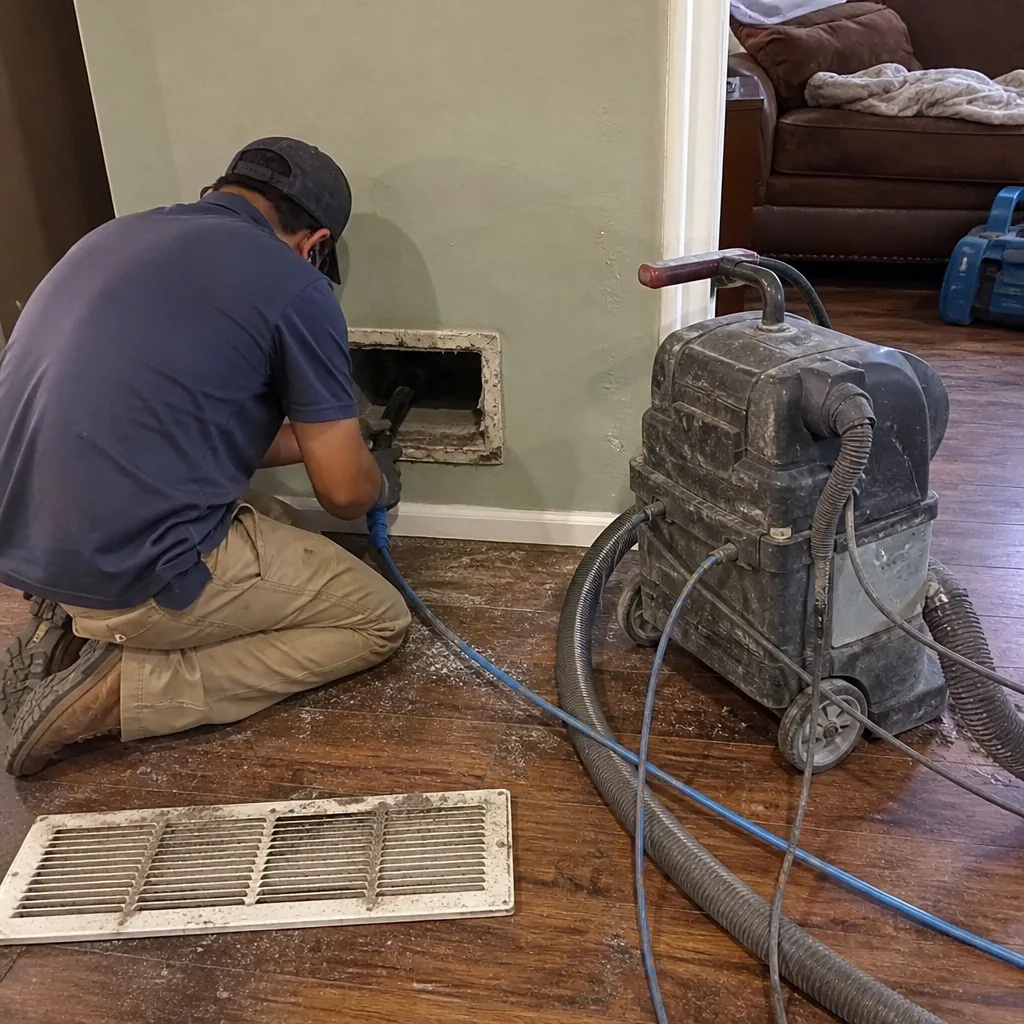 Before
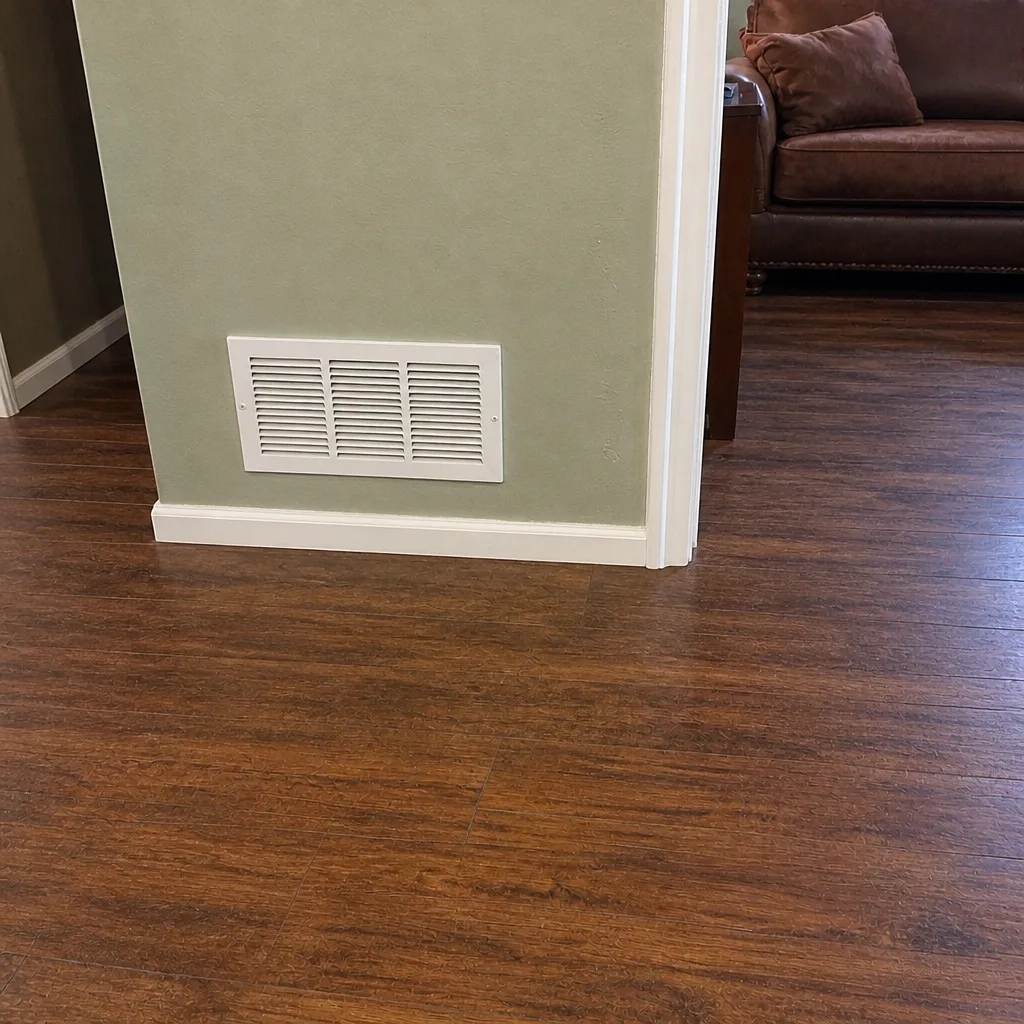 After
When to Call a Professional
Some jobs shouldn’t wait for a coupon. Call a professional when you notice visible dust discharging from registers right after the HVAC cycles on, when a room in your Casa View home stays dusty no matter how often you clean, or when someone in the household has developed allergy-like symptoms indoors. Call when you’ve just moved into an older home and the ducts have never been professionally cleaned. Call when there’s a musty odor from the vents or a recent renovation sent construction dust into the system. Call when you’re planning to add pets or young children to the household and want a clean baseline. And call any time the ducts need repair or sealing – a disconnected joint in the attic is not something to live with. Air Duct Cleaning Casa View offers free estimates in Casa View – call (888) 886-6271 to schedule a written scope and price.
Frequently Asked Questions
Go to the NADCA member directory and search the company name. Confirm the listed contact details match the quote you were given. Then ask the contractor directly for the name of the certified professional who will supervise the job. If the company doesn’t appear in the directory, ask why before you book. Call (888) 886-6271 for an exact quote – estimates are free.
Usually because the scope is smaller. A cheap quote often covers one trunk line and a handful of vent drops with a portable vacuum, then adds charges once the technician is on site. NADCA classifies that level of service as inadequate for a whole-home system. Ask what’s included at every price point, and insist on a flat price per system. Call (888) 886-6271 for a written scope – estimates are free.
Ask in advance for before-and-after photos of your own ducts, and ask if you can watch the mid-job findings. A contractor who plans to show you what they found is a contractor with nothing to hide. At the end of the job, request the photos in writing. Call (888) 886-6271 to book – estimates are free.
The HVAC unit should be in the scope along with the ducts. Cleaning only the duct runs leaves the air handler and blower full of debris that re-enters the “clean” system within days. Ask specifically if the air handler, blower compartment, and coil access area are included. Call (888) 886-6271 for an exact quote – estimates are free.
There’s no single schedule. Homes with pets, recent renovations, allergy concerns, or a system that’s never been cleaned benefit most. A contractor who assesses the system honestly will tell you the right interval instead of pushing an annual plan. Call (888) 886-6271 for an exact quote – estimates are free.
Yes – if the contractor handles repair and sealing in-house. A cleaning job often turns up loose joints, disconnected flex sections, or gaps at register boots, especially in older Casa View homes. A contractor who outsources repair sends you to a second appointment and a second bill. Ask in advance. Call (888) 886-6271 for an exact quote – estimates are free.
The Bottom Line
Hiring a duct cleaning contractor in Casa View comes down to three things you can verify in one phone call: NADCA certification in the directory, the specific brand and type of equipment with mechanical contact-cleaning as part of the process, and a written scope that names every component and sets one flat price per system. The $99 coupon is not a whole-home clean – it’s a partial service that NADCA classifies as inadequate. The contract with the written scope and the on-site containment is the one that actually delivers clean air. Use this guide, ask the five equipment questions, and don’t book until the answers are specific. If the contractor can’t answer, keep looking.
Air Duct Cleaning Casa View covers all five services – air duct cleaning, dryer vent cleaning, HVAC cleaning, air quality and sanitizing, and duct repair and sealing – in a single visit, using Rotobrush and Nikro equipment with Abatement Technologies on-site filtration and Guardsman antimicrobial treatment. Call (888) 886-6271. We answer 24/7. Fast dispatch from 7am to 7pm, Sunday through Friday.
Written by the team at Air Duct Cleaning Casa View.