
Last updated November 23, 2026
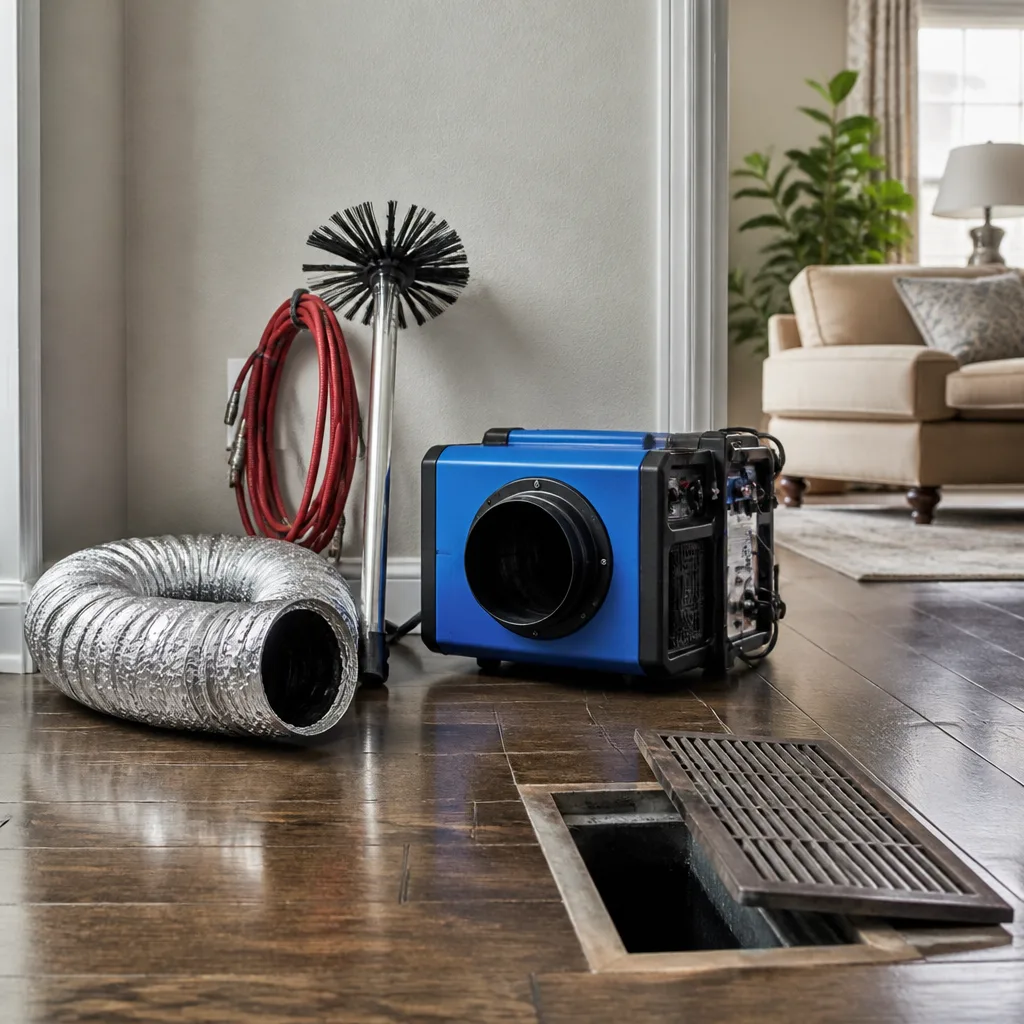 Whole-home duct cleaning
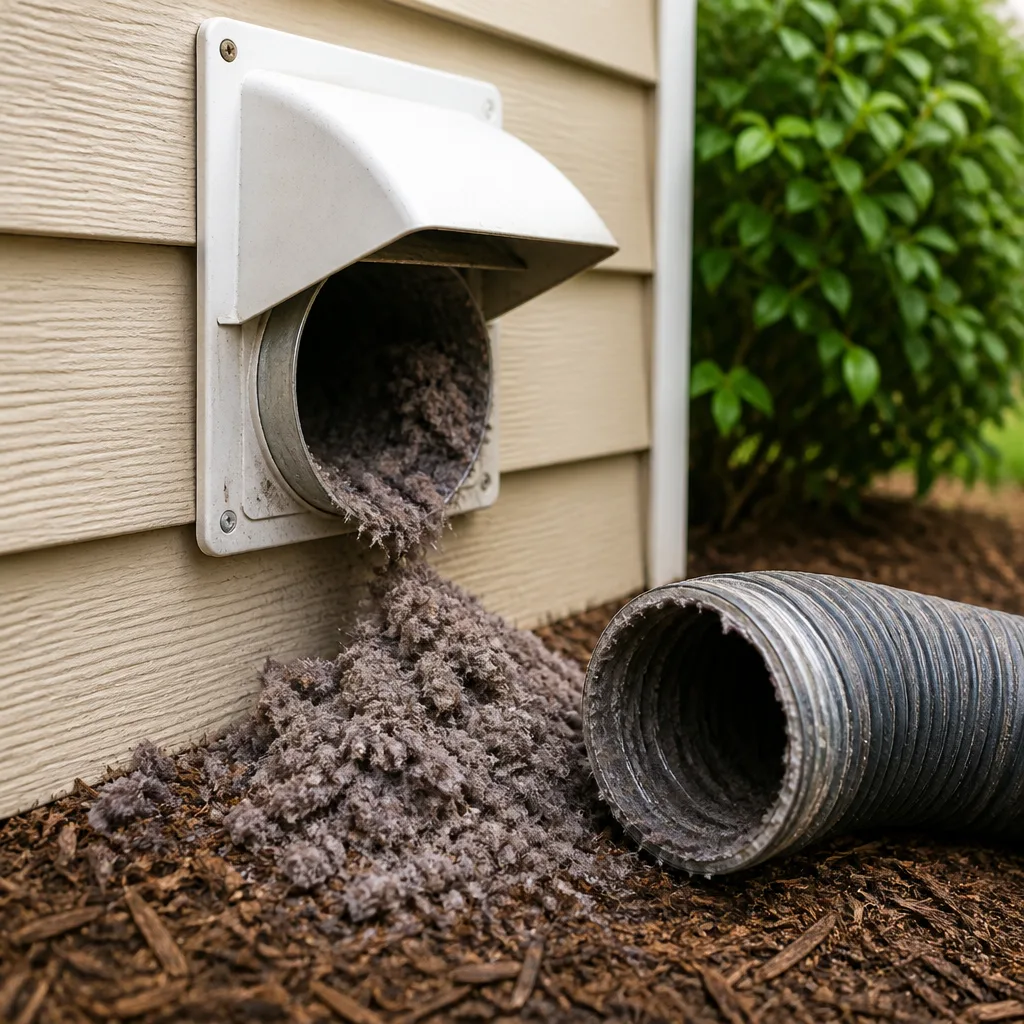 Dryer vent cleaning
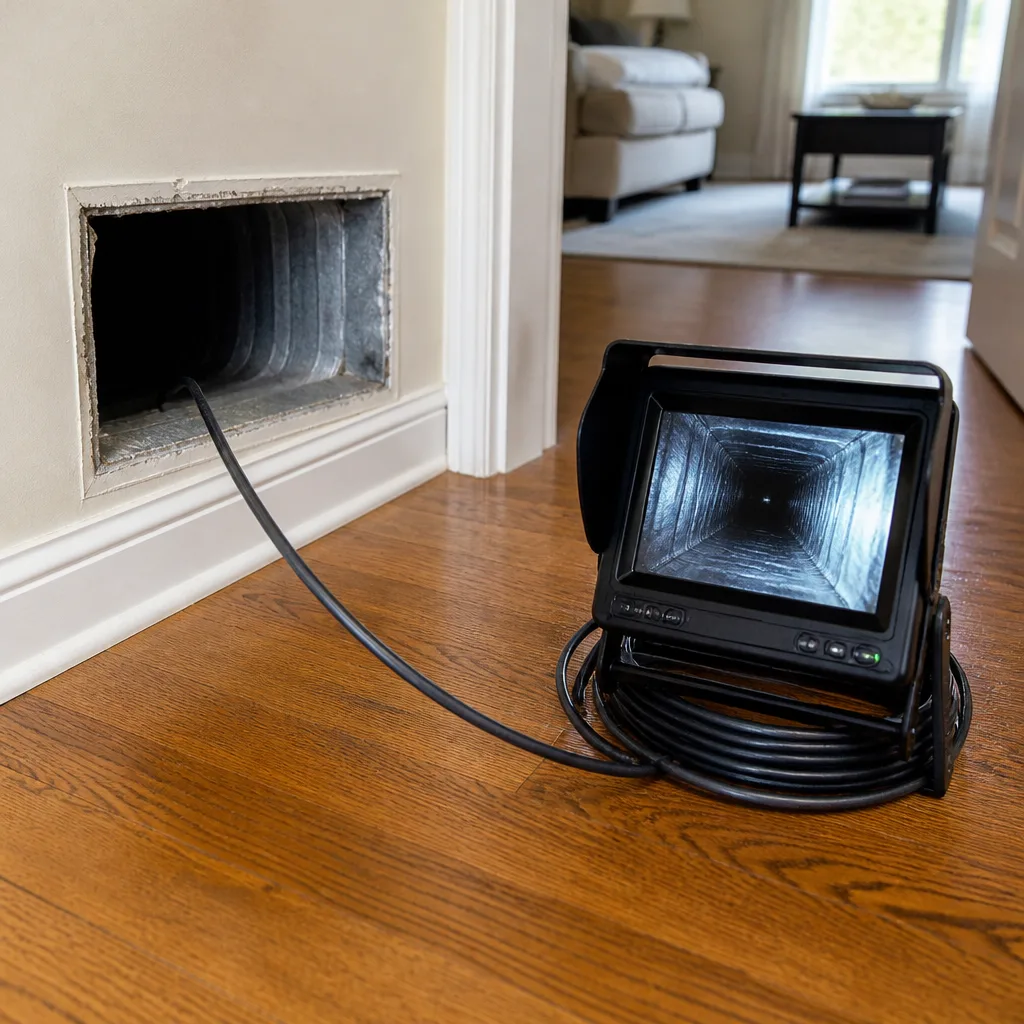 Camera inspection
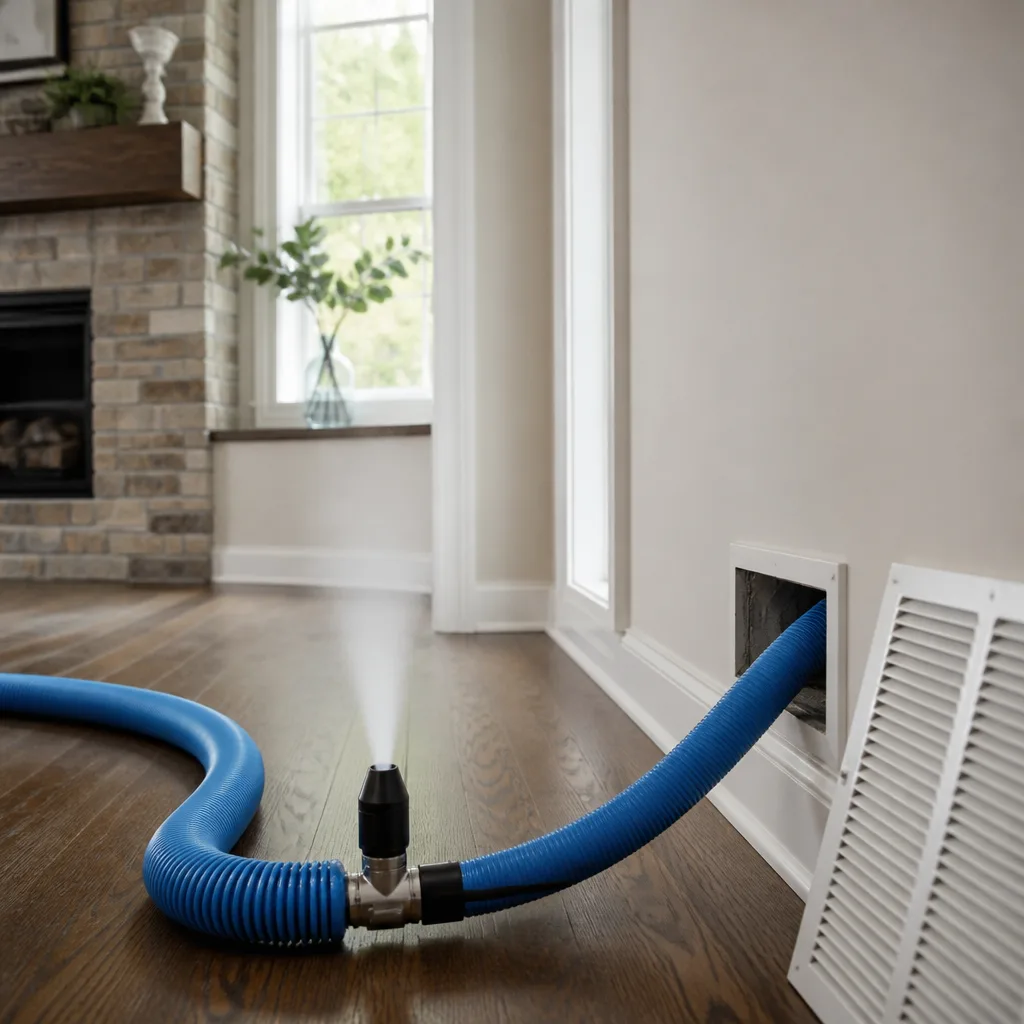 Sanitizing & deodorizing
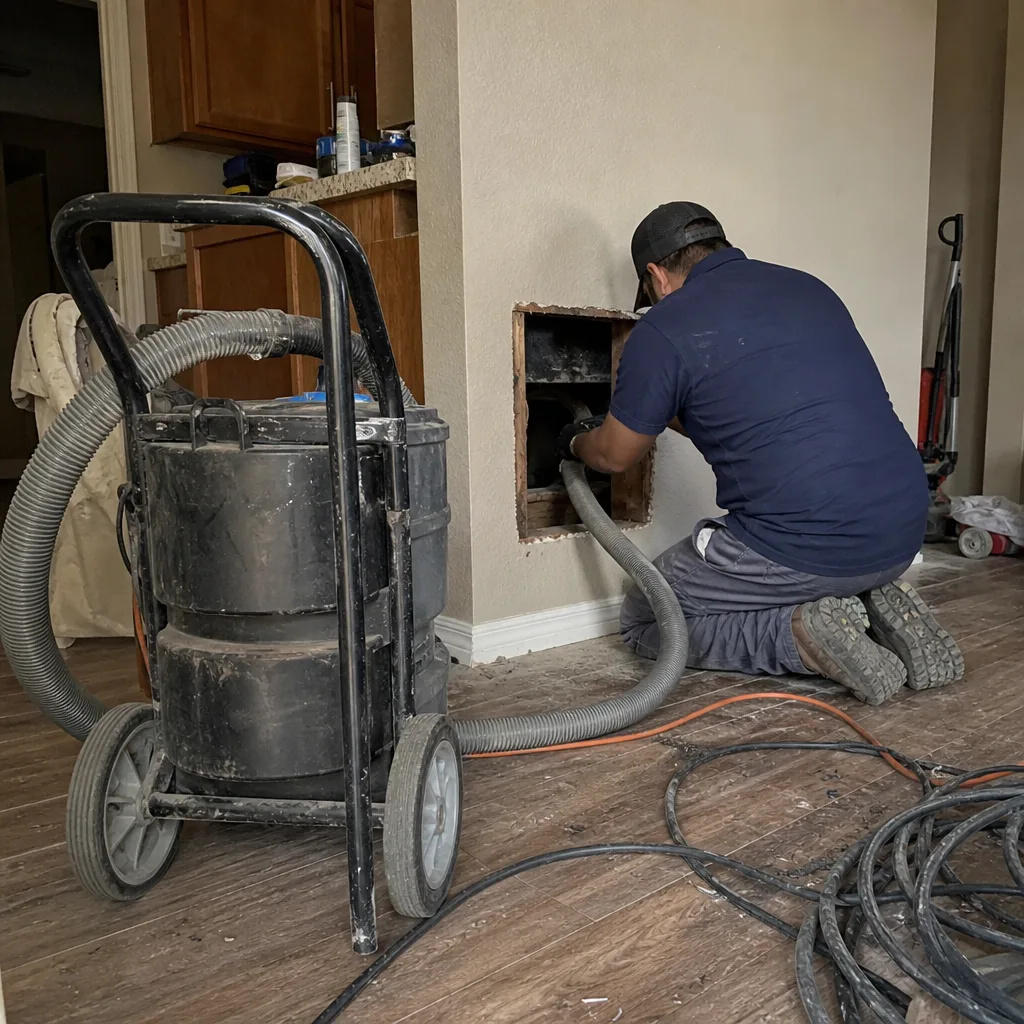
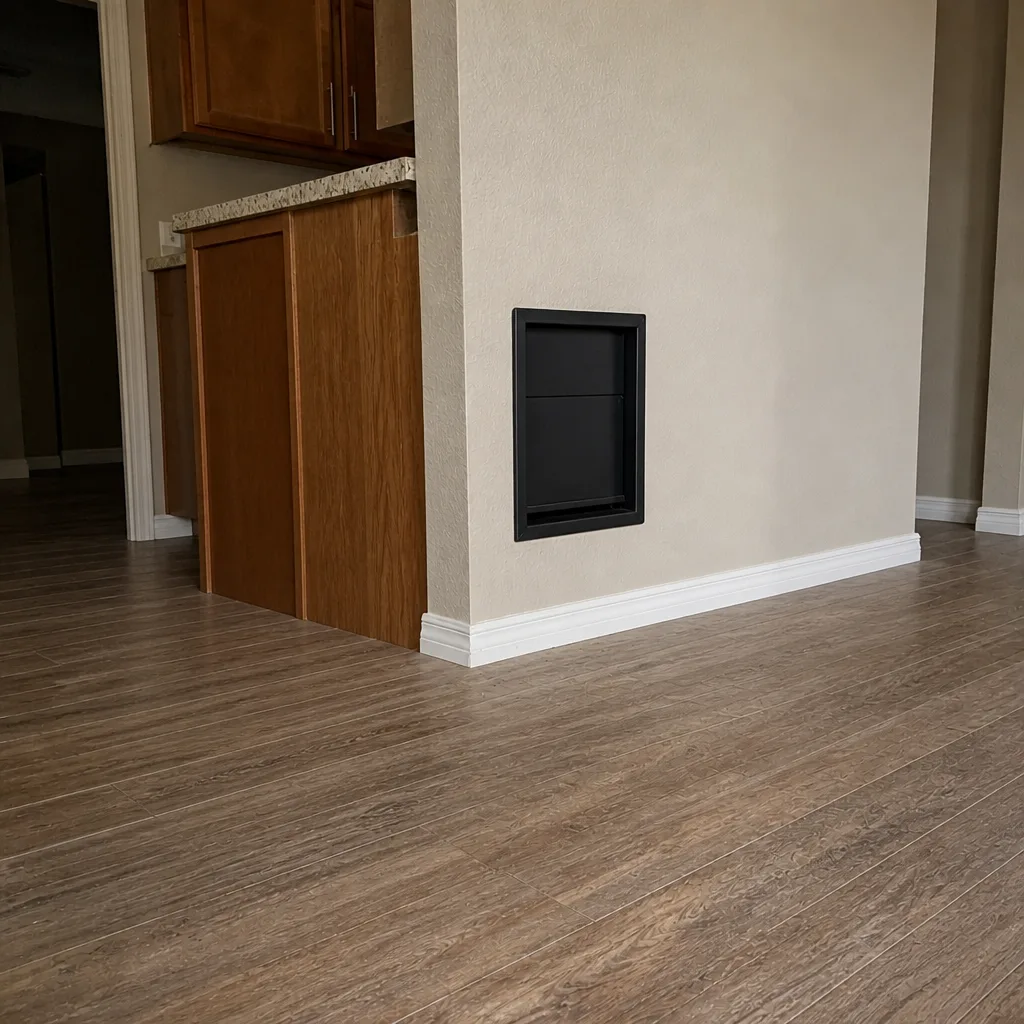
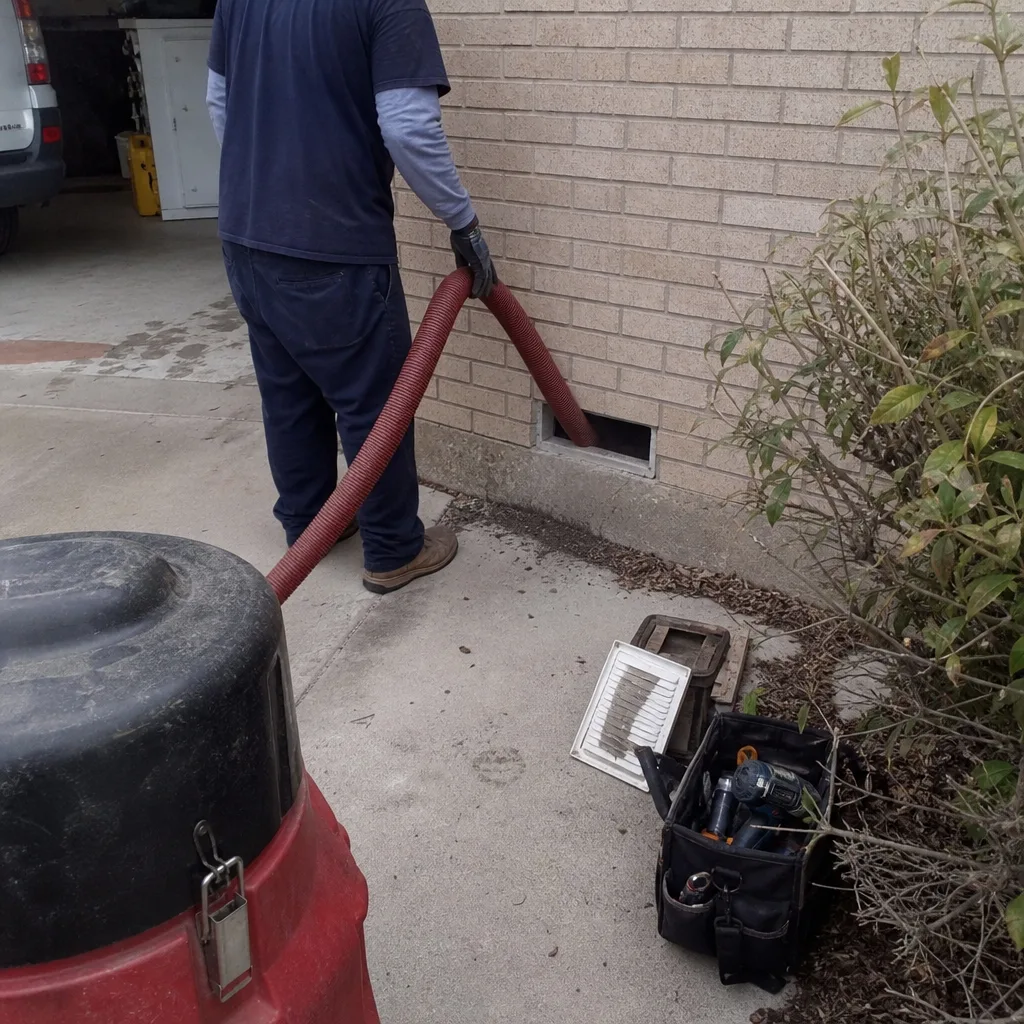
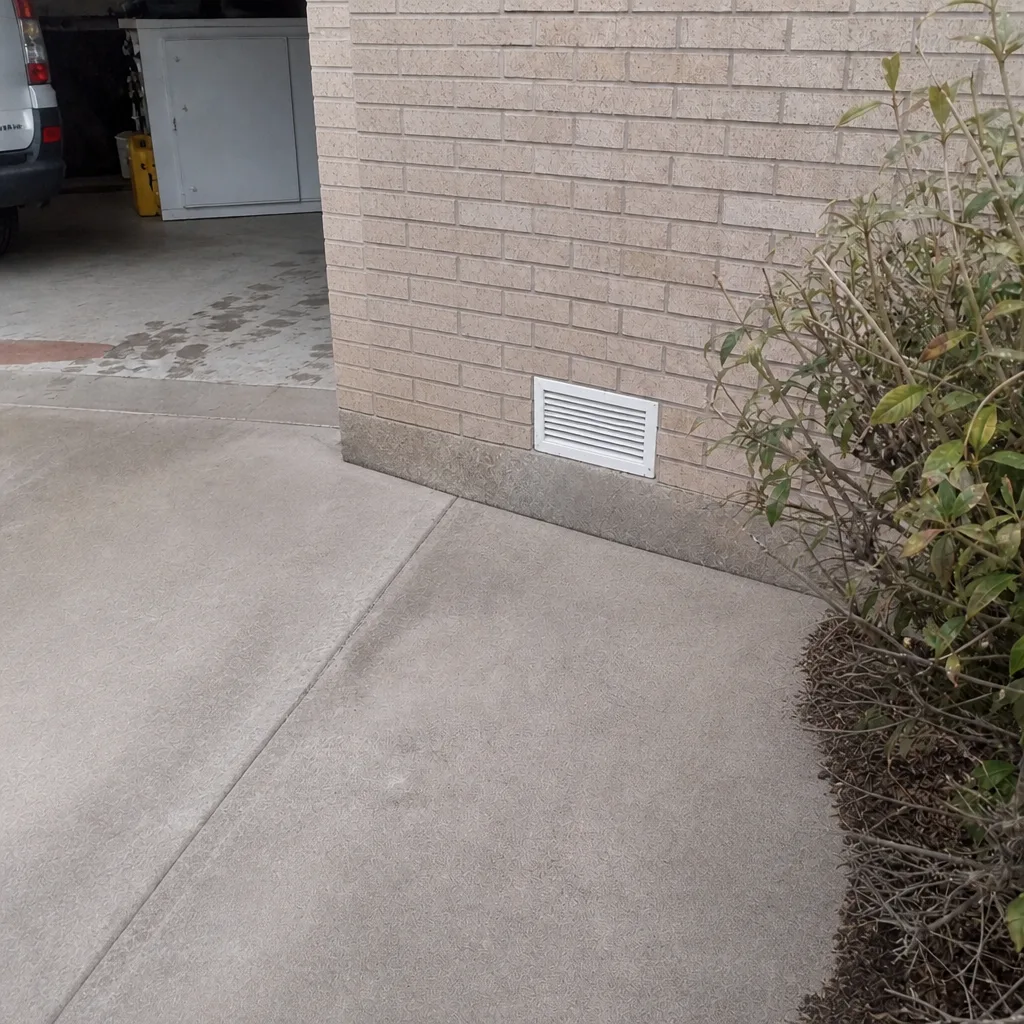
Whole-system duct and dryer vent check with before-and-after photos - you see exactly what came out of your vents
That "$99 whole-house special" is a bait ad - the real number appears once they are in your hallway, or the "clean" is a shop-vac at the register. We photograph the inside of your ducts before and after instead.
Air Duct Cleaning Permits, Codes & Inspections in Casa View, TX: What You Need to Know
No permit is required to clean your ducts in Texas. That’s the part most homeowners get right. The part that surprises them is what a thorough inspection turns up – loose joints, crushed runs, a bypass that’s been dumping conditioned air into the attic for years – and the fact that fixing those things often crosses a line that cleaning never does. This guide explains where that line sits in Casa View, what the City of Dallas actually requires for HVAC-adjacent work, how to check whether the person doing the repair is licensed for it, and which paperwork to keep so a future sale doesn’t stall. If you’re trying to figure out whether your duct project needs a permit, you’ll have a clear answer by the end.
Quick Answer
Cleaning air ducts in Casa View requires no permit from the City of Dallas. Duct modifications that go beyond maintenance – replacing sections of rigid ductwork, moving a supply register, altering the layout of a trunk line, or replacing HVAC components – generally do require a City of Dallas mechanical permit and inspection, and the work must be done by a licensed contractor or a registered homeowner. A cleaning that reveals damage can end in cleaning-only, or in cleaning plus permitted mechanical work. Those are two different scopes, and knowing which one you’re buying is the whole game.
Styles & brands we work with
- Whole-home duct cleaning
- Dryer vent cleaning
- Camera inspection
- Sanitizing & deodorizing
Table of Contents
- Does air duct cleaning need a permit in Texas?
- What City of Dallas permits apply to Casa View properties?
- When does duct sealing or repair cross into permitted work?
- How to verify a contractor is licensed for cleaning and for repairs
- Inspections: what gets looked at and when
- Documentation to keep for insurance and resale
- What’s different about duct work in Casa View
- Code-adjacent issues a cleaning routinely uncovers
Does air duct cleaning need a permit in Texas?
No. Cleaning the inside of an existing duct system is maintenance, and maintenance doesn’t alter the structure or the mechanical function of the system. No permit from the City of Dallas is issued for it, and none is required. An inspector isn’t going to show up to look at a vacuum hose.
The confusion starts because “air duct cleaning” gets used to describe two very different scopes of work. The first is a cleaning. The second is a cleaning that uncovers a problem the technician can’t leave alone – a return trunk pulled loose at the plenum, a supply run crushed under stored boxes, duct board falling apart inside a chase. Cleaning the system and then leaving it in that condition isn’t really a finished job. So the honest way to think about it:
- Cleaning only: no permit, no inspection, no mechanical alteration.
- Cleaning plus minor sealing: usually no permit if you’re sealing joints and seams in place without changing the system’s layout.
- Cleaning plus repair or modification: frequently requires a mechanical permit, because the system is being changed rather than serviced.
Where things get interesting in Casa View is the age of the housing stock. A lot of the neighborhood’s homes were built in the 1950s and 1960s, when duct systems were laid out very differently from how they’re laid out now. A technician working through a system like that is far more likely to find something that needs a real repair than a technician working in a newer house. That’s not a sales pitch. It’s just what older infrastructure does. If you want to understand what the cleaning itself involves before worrying about permits, our Air Duct Cleaning Casa View page walks through it step by step.
What City of Dallas permits apply to Casa View properties?
Casa View sits inside the City of Dallas, so Dallas’s building permit rules apply. The city operates under the International Mechanical Code as its mechanical standard, along with the other international codes Texas cities generally adopt. That’s the framework a mechanical permit is issued against.
For duct work specifically, the practical rule is this: a mechanical permit is generally required when the work involves altering, replacing, or adding to a duct system in a way that changes its function or its layout. Replacing a section of rigid duct. Moving a register. Adding a supply to a converted room. Rerouting a run to fix a pressure problem. Those are mechanical changes.
What does not need a permit:
- Cleaning the interior of the duct system.
- Sealing joints, seams, and connections in place.
- Replacing filters.
- Tightening or re-supporting ductwork without altering its routing.
- Sanitizing the system after cleaning.
What generally does need one:
- Replacing a section of duct that’s crushed or collapsed.
- Moving, adding, or removing a supply or return register.
- Changing the size or routing of a trunk line.
- Any work that touches the HVAC equipment itself, such as a coil or an air handler component.
The exact line can shift with the scope, and the City of Dallas building department is the only authority on interpreting its own code for a specific address. If you’re unsure whether your project crosses it, that’s the call to make before the work, not after.
When does duct sealing or repair cross into permitted work?
Here’s the distinction that matters most, and the one most homeowners hear for the first time at resale.
Maintenance is work that restores a component to its intended condition. Sealing a joint that’s leaking. Taping a seam that’s opened up. Reconnecting a duct that’s separated. The system’s design doesn’t change, it just works the way it was designed to work. In most cases, no permit.
Modification is work that changes the system’s design. Adding a branch. Moving a branch. Resizing a branch. Relocating a register. Replacing a run with a differently configured one. That’s where a mechanical permit and inspection generally enter the picture.
In our experience working through Casa View homes, the gray zone is sealing. Sealing a leaking joint in place is maintenance. Sealing a bypass wall – the gap where a duct passes through a ceiling or a chase and conditioned air escapes into the attic – can land on either side depending on whether you’re closing a gap or building a new enclosure. And when the sealing is part of a larger pressure-balancing effort that involves adding or moving registers, that’s clearly on the modification side of the line.
This is why doing repair and sealing as part of the same visit, rather than as a separate later appointment, has a practical benefit: the technician can tell you in the same breath which pieces of what they found need a permit and which don’t, and you can decide what to authorize before anything changes. Any air duct cleaning service that won’t separate those two scopes in writing is one to be cautious about.
How to verify a contractor is licensed for cleaning and for repairs
Cleaning and mechanical repair are different scopes, and in Texas they’re regulated differently. In practice, a company that can do both well is valuable – but you want to confirm that before the work starts, not afterward, because the permit application is going to require a licensed person’s name on it.
Here’s a sequence we’d suggest putting any company through before you hire:
- Ask which scope they’re licensed to perform. Cleaning, mechanical repair, or both. The answer should be immediate and specific, not a vague “we handle everything.”
- Ask who pulls the permit for repair work. The person pulling it should be the licensed contractor or a registered homeowner. If the answer is unclear, ask again.
- Confirm the license with the state. Texas licenses HVAC contractors through the Texas Department of Licensing and Regulation. A license can be checked against the agency’s public records, and it takes a few minutes.
- Ask what the written scope will say. A reputable company separates “cleaning” line items from “repair and sealing” line items on the estimate. If everything is bundled into one lump sum, you can’t see which piece requires a permit.
- Get the scope in writing before the technician arrives. Anything else opens the door to a price that grows once the van is parked.
One practical detail worth mentioning: the tools a company brings tell you something about its scope. A shop working with a Rotobrush contact-cleaning system, a Nikro high-powered vacuum, and Abatement Technologies filtration equipment on site is set up for a full air pathway job, not a vacuum-hose pass. That equipment standard doesn’t substitute for licensing, but it’s a useful indicator of whether the company operates at the level its paperwork claims. If you’d like to understand what that a full-system cleaning looks like from the inside, our air duct cleaning breakdown covers the process in detail.
Inspections: what gets looked at and when
A City of Dallas mechanical inspection for duct work typically looks at the same things an inspector looks at anywhere: that the installation conforms to the permitted scope, that the duct materials and connections are appropriate, that the routing matches what was drawn, and that the system is properly supported and sealed. The inspection usually happens after the work is substantially complete and before it’s concealed – meaning before insulation or drywall goes back over new ductwork in an attic or a wall cavity.
A cleaning, by contrast, has no municipal inspection. What it has instead is a documentation step, and that’s where homeowners sometimes get shortchanged. A good cleaning documents what was found and what was done:
- Before-and-after photographs of the duct interiors.
- A written note of any damaged or disconnected sections found.
- A record of any sealing or repair performed, with the scope itemized.
- Confirmation of the sanitizing treatment if it was included.
That documentation is what you’d hand to an insurance adjuster after a water event, or to a buyer’s home inspector a decade from now. It’s also the only way to verify the work was actually done rather than described. When we work through a Casa View home, the before-and-after record is part of the deliverable, not an optional extra. A company that won’t show you the inside of your ducts before and after is asking you to trust a description.
What’s different about duct work in Casa View
Casa View is a mid-century Dallas neighborhood, and that shape shows up in the duct work. Homes here commonly have layouts that made sense when they were built and have been modified, sometimes more than once, since. Additions, sunrooms, garage conversions, and room additions each added or moved a supply run, and the records of who did that work are often long gone.
The mild North Texas climate matters too, in a way that’s easy to overlook. Heating loads here are light; cooling loads are long and heavy. A duct system that’s undersized or leaking doesn’t get noticed during a cool stretch in the spring. It gets noticed in August, when the system is running hard and some rooms still won’t cool down. By then, the problem has typically been building for years.
So when a Casa View homeowner asks whether a duct project will need a permit, the answer often depends on discoveries made during the cleaning. A system gets opened up, and there’s a disconnected run feeding a back bedroom that has never cooled properly. There’s a bypass at a ceiling penetration. There’s a return that was never properly sealed at the plenum. Some of these are maintenance. Some are not. The technician should be explaining which is which as they go, and any genuine repair scope should be written down for you before it’s authorized. The same is true of dryer vent work, which touches the building envelope and deserves the same documentation discipline; there’s more on that at our dryer vent cleaning page.
Documentation to keep for insurance and resale
Keep a simple duct file. It doesn’t need to be elaborate – a folder with the paperwork from every cleaning, repair, and HVAC service is enough. When you go to sell, or when an insurance adjuster needs to see what was done, having it takes about five minutes off everyone’s day and can save you a real argument.
What belongs in the file:
- The cleaning invoice, itemized. Cleaning, repair, sealing, and sanitizing as separate line items. It shows scope, not just a total.
- Before-and-after photographs. Dated. These are the single most useful item in the file.
- The written estimate. Even after the work is done, keep it. It shows what was authorized.
- The permit number and the inspection record, if a permit was pulled. For any modification, this is your proof the work was done legally and inspected.
- The contractor’s license information, as documented on the invoice or estimate.
- Any sanitizing treatment record. If a Guardsman antimicrobial treatment was applied as part of a sanitizing service, note it and keep the documentation with the invoice.
Why it matters for resale specifically: a buyer’s home inspector will look at the HVAC system, and if they see evidence of duct work with no permit on record, it becomes a negotiation item. Depending on the condition, it can also complicate the buyer’s lender. Having the file means answering that question with a document instead of a recollection. If you’re also due for a system-wide service, our HVAC cleaning page covers what a full-system cleaning includes and how it differs from a duct-only job.
Code-adjacent issues a cleaning routinely uncovers
Cleaning is a diagnosis as much as a service. When a technician runs a camera through a return trunk, they see the system as it actually is, not as it was drawn. A few categories of finding come up often enough that it’s worth knowing what they are before the work starts.
- Disconnected joints. Duct sections pulled apart at seams, most commonly at the plenum or in the attic. The system still runs; it just leaks. Sealing is usually maintenance; replacing the section is usually a repair, and sometimes permitted.
- Crushed flexible duct. Flexible duct that’s been kinked or compressed loses capacity. Replacing a crushed run is mechanical work and generally needs a permit if the routing changes.
- Unsealed bypasses. Gaps at wall and ceiling penetrations where air escapes into unconditioned space. Sealing a gap is maintenance. Enclosing a new chase is a modification.
- Duct board deterioration. Older duct board can break down internally over time. Replacing a deteriorated section is repair work and generally permitted.
- Register placement that never worked right. A room that’s always been hot, often because a register was placed too close to a return. Fixing it means moving the register, and that’s a modification.
What we do about this in practice is straightforward: we clean first, document what we found, and separate the cleaning scope from the repair scope in the estimate. Nothing gets authorized on the spot beyond what’s written down. One flat price per system, agreed before the work starts. If the repair work is going to need a permit, that’s part of the conversation, not a surprise invoice after the fact.
That matters for two reasons. First, it’s the only way to tell whether a given repair is maintenance or modification, because you need to know what’s actually there before you can categorize it. Second, it respects the fact that a homeowner can’t be expected to know the code line intuitively. The company doing the work should be able to explain it in plain language, without pressure.
Common Mistakes to Avoid
- Assuming a cleaning quote covers repair. Cleaning and repair are different scopes, and a low quoted cleaning price typically doesn’t include opening up a wall or replacing a crushed run. Ask what happens if damage is found, and what those line items will look like, before the van arrives.
- Not asking who holds the mechanical license. A company licensed to clean ducts is not automatically licensed to perform mechanical repair. In Texas those are separate, and the person signing the permit application is the one who needs the license. Verify with the Texas Department of Licensing and Regulation before scheduling repair work.
- Pulling a permit for cleaning. The opposite error. Cleaning never needs one, and a company that tells you it does is padding the scope. If your project is cleaning-only, don’t pay permit fees for work that isn’t being modified.
- Skimping on documentation. Before-and-after photos, an itemized invoice, and the permit record if one was pulled are the entire file. Ten years from now, a buyer’s inspector won’t be able to tell what was done without them. Keep the paper.
- Confusing a home inspection with a mechanical inspection. A buyer’s home inspector will note the condition of the HVAC system, but they aren’t the municipal inspector. A mechanical permit inspection is a separate event with its own record. One doesn’t substitute for the other.
- Authorizing repair work without a written scope. Any repair authorization should be in writing with a price before the work starts. Verbal authorization is how a small job turns into a billed dispute. If a company can’t or won’t provide the scope in writing, that’s your answer.
- Skipping the air pathway beyond the ducts. Ducts don’t work in isolation. The air handler, the return path, and the dryer vent are all part of the same system, and a company that cleans only the ducts is leaving most of the pathway untouched. If you’re going to schedule the work, schedule it across the full pathway.
See the difference
 Before
 After
 Before
 After
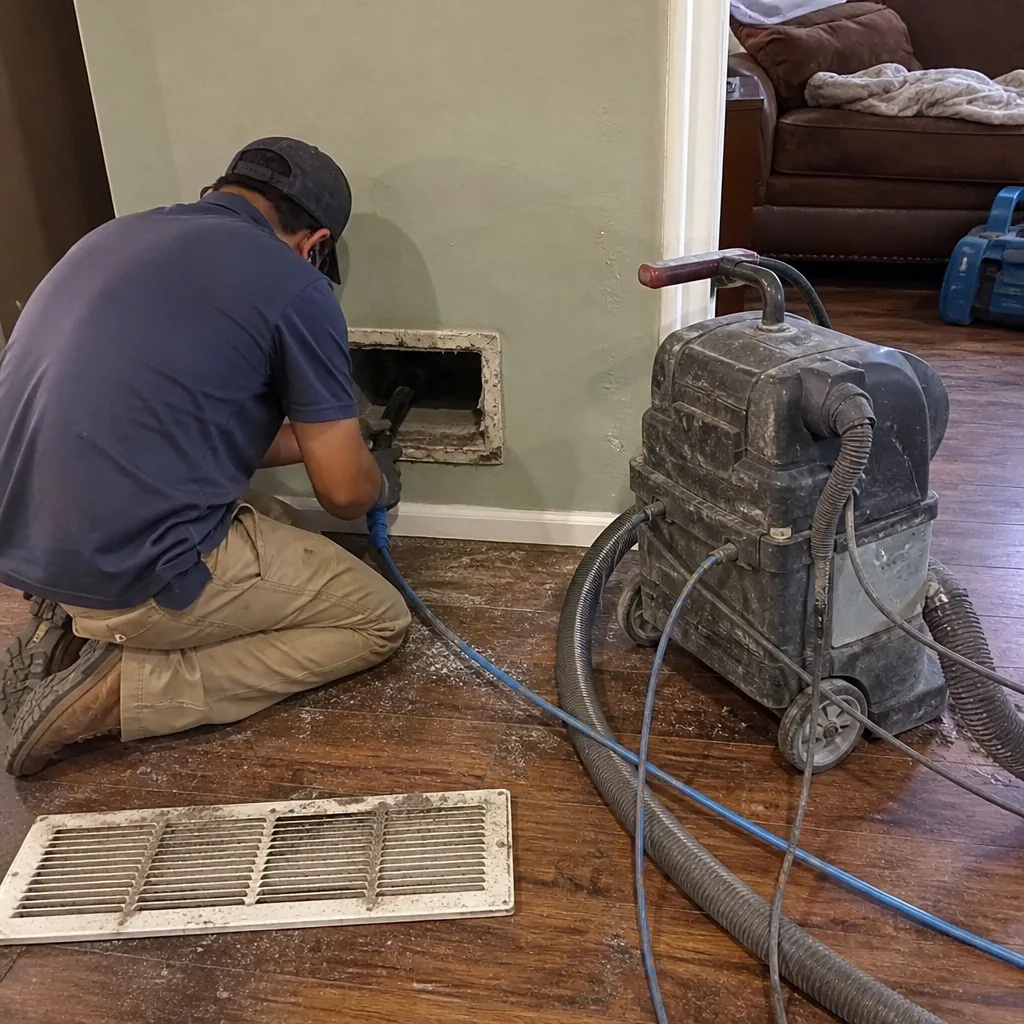 Before
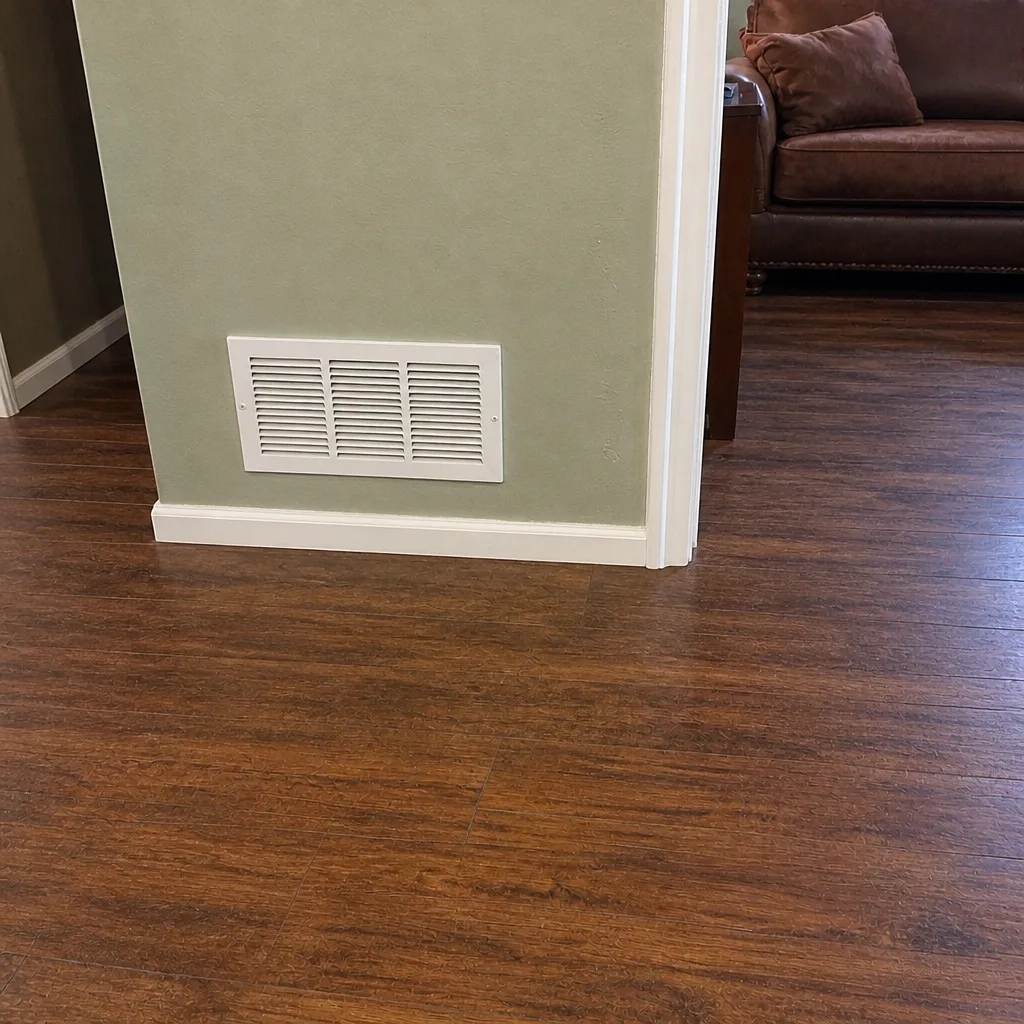 After
When to Call a Professional
Some duct work genuinely isn’t a homeowner project. If you’re seeing visible dust blowing from a register, hearing a rattle from inside the ductwork when the system runs, getting uneven cooling across rooms, or noticing that the return is louder than it used to be, it’s worth having a professional look. If a home inspector has flagged the HVAC system on a report, or if you’ve recently purchased an older Casa View home and have no record of when the ducts were last cleaned, those are good reasons to call.
The other scenario is a permit question you can’t answer on your own. A company that works on both sides of the maintenance line – cleaning and repair – can help you tell the difference before you authorize anything. Air Duct Cleaning Casa View offers free estimates in Casa View – call (888) 886-6271. We answer 24/7. Fast dispatch from 7am to 7pm, Sunday through Friday. Our technicians have up to 10 years of experience, and the estimate is written before any work begins.
Frequently Asked Questions
No. Duct cleaning is maintenance and requires no permit from the City of Dallas. A permit becomes a factor only when the work involves modifying or replacing ductwork in a way that changes the system’s layout or function – and that’s a separate scope your contractor should identify before doing it. Call (888) 886-6271 for a free estimate, and we’ll tell you upfront whether the work you’re considering is likely to need one.
Usually not, if the sealing is restoring joints and seams in place. Sealing a gap or a bypass without moving or adding ductwork is maintenance. When the sealing is part of a larger modification – adding or moving a register, or building a new enclosure – a mechanical permit is generally required. The distinction is real, and the scope should be in writing before work starts. Call (888) 886-6271 to talk through your project.
A mechanical contractor licensed through the Texas Department of Licensing and Regulation, or a registered homeowner working on their own primary residence. Duct cleaning is a separate scope from mechanical work, and a company certified to clean isn’t automatically licensed to repair. Ask before hiring, and verify the license against the state’s public records. Call (888) 886-6271 for a free estimate and we can clarify which scope your project falls into.
Keep the itemized invoice, before-and-after photographs of the duct interiors, the written estimate, the permit number and inspection record if a permit was pulled, and the contractor’s license information. That file is what you’d use for insurance purposes or to answer questions at resale. Call (888) 886-6271 to schedule a cleaning with full documentation.
Because they’re usually quoting a smaller scope – often cleaning-only with no inspection component, no documentation, and no allowance for the repairs a thorough cleaning typically uncovers. The cleaning price isn’t necessarily dishonest; it’s just not the whole job. What you want is one flat price per system, agreed before the work starts, with repair and sealing itemized separately if they’re needed. Call (888) 886-6271 for an honest estimate that separates the two.
There’s no universal schedule, and any company that quotes one is guessing. The factors that matter are whether the system has been cleaned in the last several years, whether pets are in the home, whether anyone in the household has allergies, whether there’s been a renovation or a water event, and the age of the home. If any of those apply, a cleaning and inspection is worth having. Call (888) 886-6271 to schedule a free estimate in Casa View.
The Bottom Line
Cleaning doesn’t need a permit in Casa View. Repair and modification often do, and the difference sits at a line that most homeowners don’t hear about until a home inspector finds unpermitted work years later. The practical rules: ask any contractor which scope they’re licensed for, get the permit question answered in writing before the work starts, keep a duct file with photographs, the itemized invoice, and any permit records, and don’t confuse a cleaning quote with a repair quote. A company that separates those scopes honestly is the one worth hiring. If you’ve never had the system looked at, start there – and start with a written estimate rather than a price on the phone.
Call (888) 886-6271 for a free estimate. We answer 24/7. Fast dispatch from 7am to 7pm, Sunday through Friday.
Written by the team at Air Duct Cleaning Casa View.