
Last updated November 23, 2026
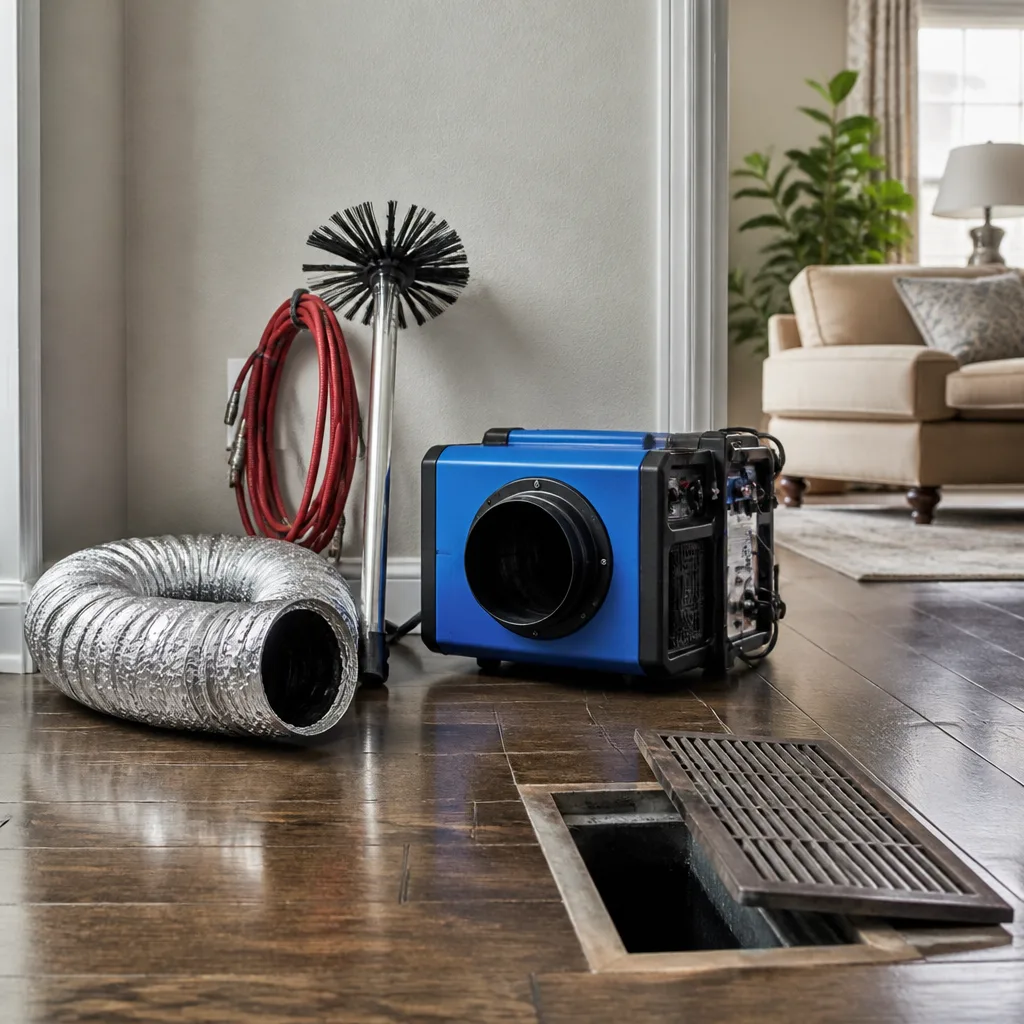 Whole-home duct cleaning
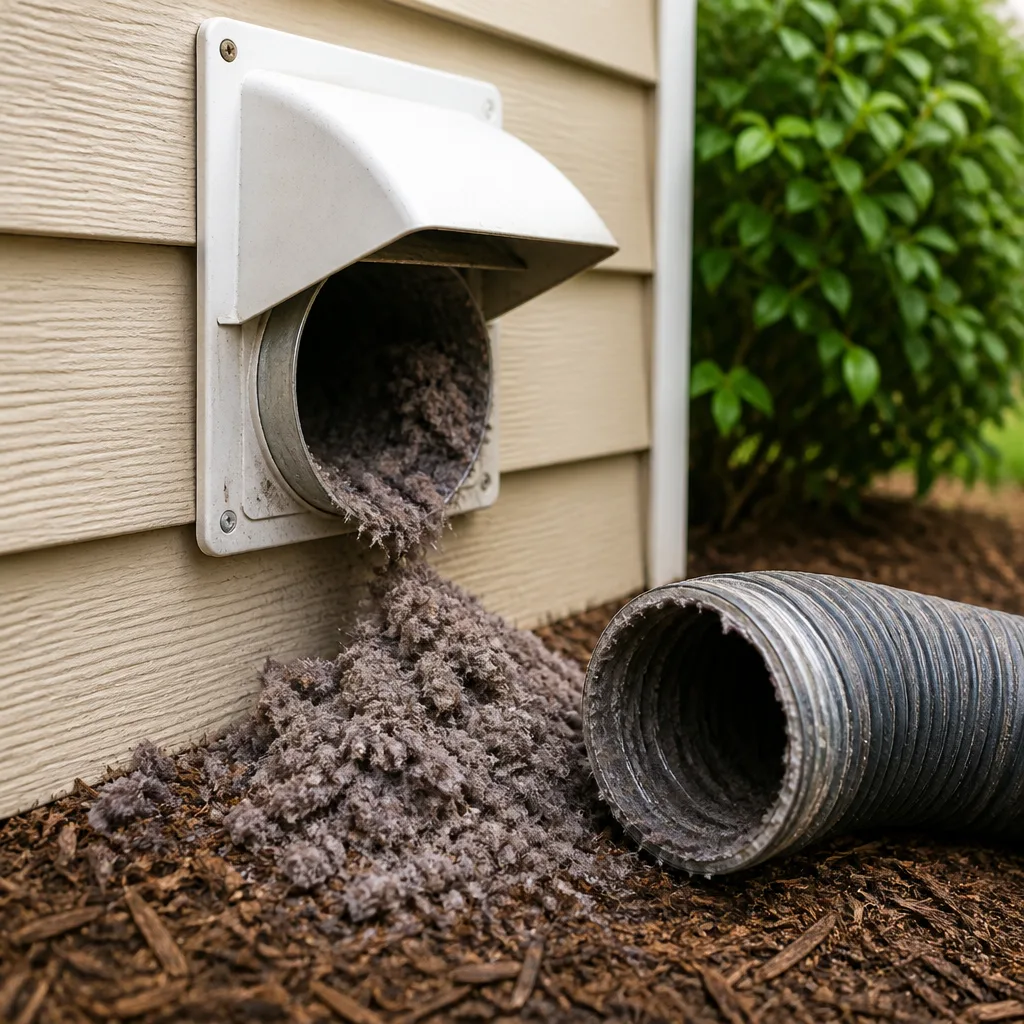 Dryer vent cleaning
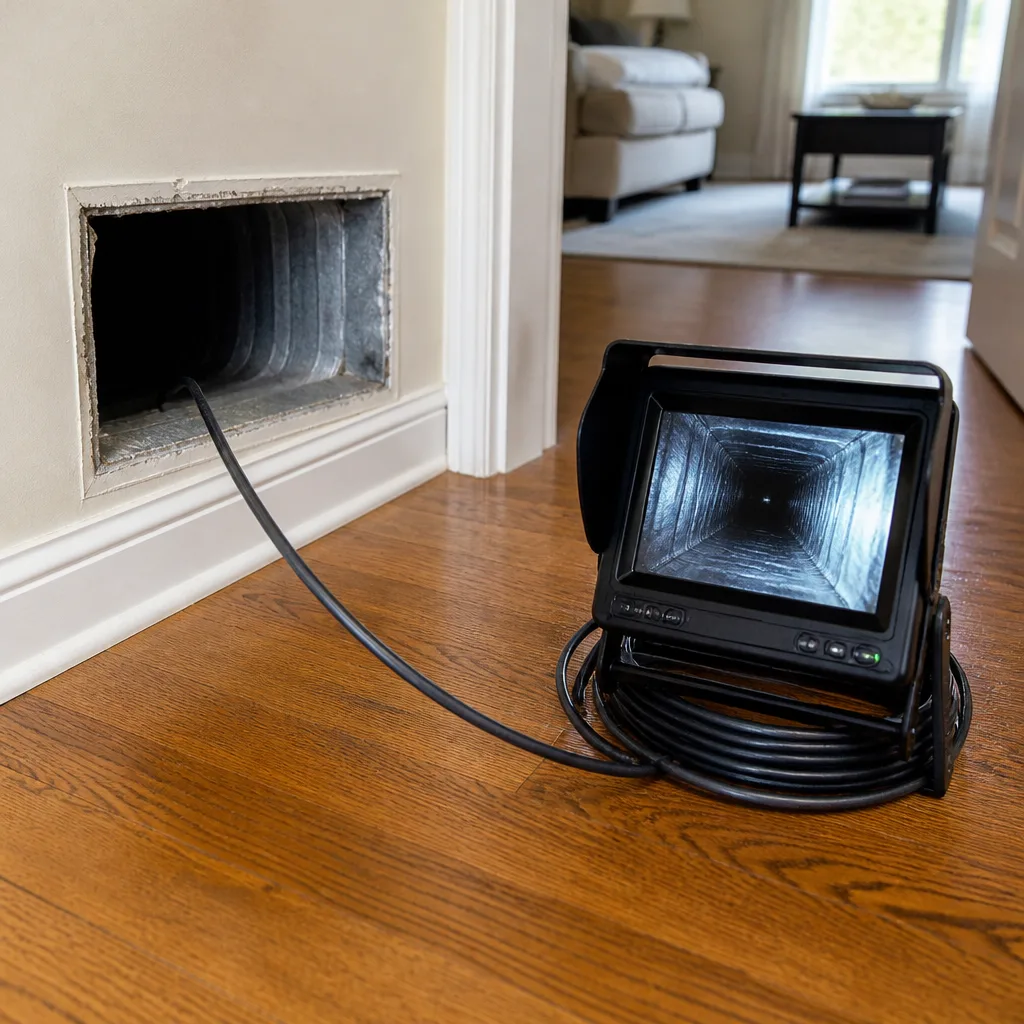 Camera inspection
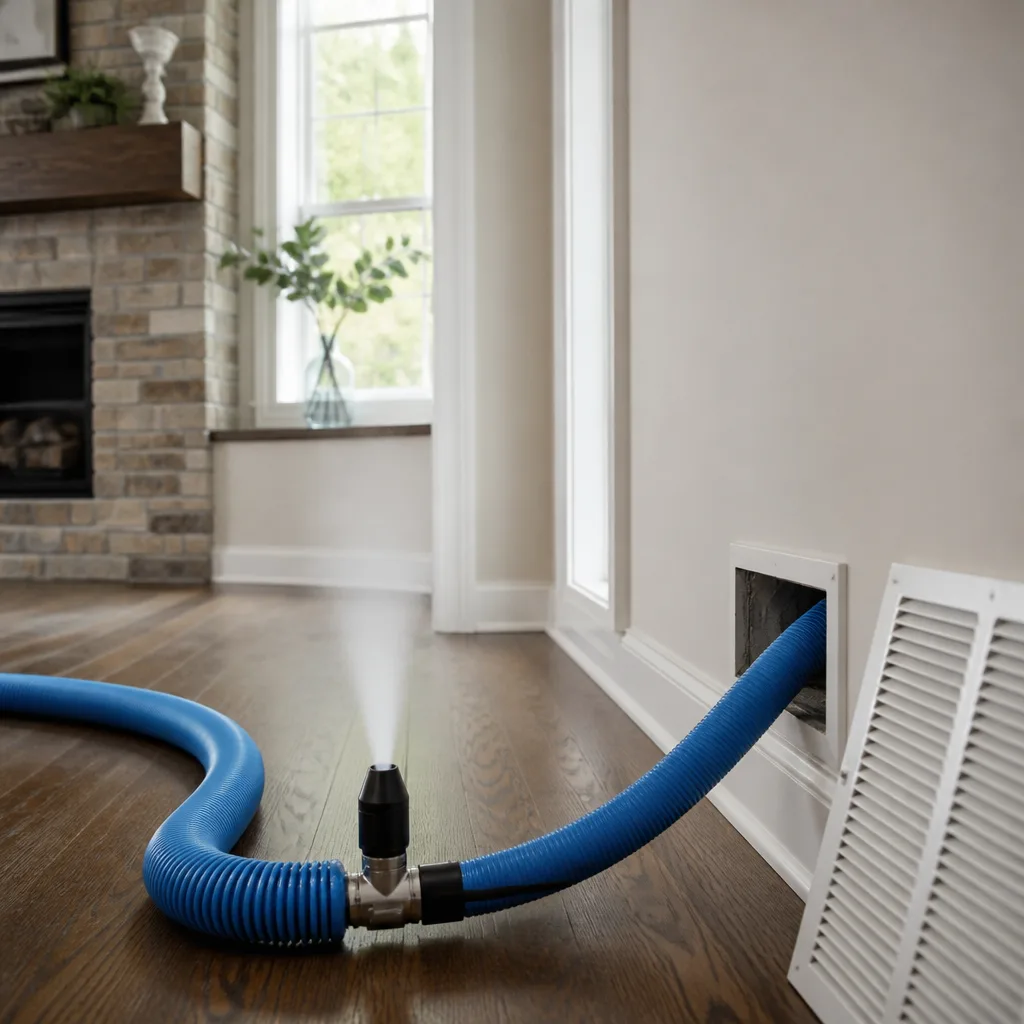 Sanitizing & deodorizing
Whole-system duct and dryer vent check with before-and-after photos - you see exactly what came out of your vents
That "$99 whole-house special" is a bait ad - the real number appears once they are in your hallway, or the "clean" is a shop-vac at the register. We photograph the inside of your ducts before and after instead.
Air Duct Cleaning Emergency Preparedness Guide for Casa View Homes
Casa View homeowners know how to board a window before hail rolls in. They know where the flashlights are, how to unplug the electronics, and which drawer holds the insurance paperwork. What most don’t plan for is what happens to the air handler after the storm passes. When a hailstone punches a hole through a roof deck or a downpour pushes water through a soffit, the debris and moisture that enter the attic don’t stay there. The moment power comes back and the HVAC system kicks on, a contaminated return air pathway starts pulling that material through every supply register in the house. This guide covers how to prepare for that moment, how to respond when it happens, and what a proper post-event duct assessment in Casa View should include.
Quick Answer
After a storm, flood, fire, or rodent intrusion, shut down your HVAC system at the thermostat and the breaker until the ductwork has been inspected for water, debris, and structural breaches. Then schedule a post-event duct assessment before you finish the repair work, because standard maintenance cleaning is not designed to remove storm debris, disinfect microbial growth, or reseal a duct breach. In Casa View, the order of operations matters: inspect early, document before anyone cleans, and treat the whole air pathway, not just the vents you can see.
Styles & brands we work with
- Whole-home duct cleaning
- Dryer vent cleaning
- Camera inspection
- Sanitizing & deodorizing
Table of Contents
- Why Storm Prep in Casa View Has to Include the HVAC System
- How to Shut Down Your HVAC System Correctly After an Attic Breach or Flood
- Four Disaster Categories and the Duct Response Each One Requires
- Why Waiting Until Repairs Are Done Delays a Critical Contamination Assessment
- How to Document Duct Condition for an Insurance Claim Before Cleaning Begins
- What a Post-Disaster Duct Cleaning Scope Includes Beyond Standard Maintenance
- A Casa View Preparedness Checklist for Storm Season
- Maintenance Cleaning vs. Emergency Response: Knowing Which Job You Have
Why Storm Prep in Casa View Has to Include the HVAC System
Storm preparation usually stops at the roof and the windows. The HVAC system sits in the attic or a closet, out of sight, and it becomes the forgotten piece of the house until something smells wrong or a family member starts sneezing in the weeks after an event. The ducts are the part of the building that connects the attic, the mechanical closet, and every room of the living space. When a roof gets breached, that connection works against you.
In our experience, the contamination path is almost always the same. A hail event cracks a vent or punches through the roof deck. Wind-driven rain or insulation dust gets into the attic. The furnace kicks on. Return air pulls attic dust, fiberglass particles, and moisture-laden debris into the return plenum and then distributes it across the supply runs. It’s a quiet process. There’s no alarm. The system runs normally, which is exactly what makes the problem easy to miss.
Casa View’s older housing stock makes this worse than it would be in a newer subdivision. Homes built in the middle of the last century often have ductwork that has been patched, extended, or added onto over the years. Joints that were taped decades ago have lost their seal. Attic duct runs are insulated with wrapping that cracks and crumbles with age. When a storm introduces pressure, moisture, or wind-driven debris into that attic, those aged leaks are the first places contamination enters.
What you’ll find in this guide:
- How to shut the system down safely so contamination stops spreading
- Why the four major disaster types demand four different duct protocols
- Why you need a duct inspection before the repairs finish, not after
- How to document duct condition so an insurance adjuster can act on it
- What a post-disaster cleaning scope covers beyond regular maintenance
- A seasonal prep checklist you can run before the next storm season starts
The goal isn’t to alarm anyone. It’s to make the HVAC system part of the household emergency plan, the same way the water shutoff valve and the breaker panel already are.
How to Shut Down Your HVAC System Correctly After an Attic Breach or Flood
The single most important thing to do after a roof breach, flood intrusion, or smoke event is to stop the air handler from moving contaminated air. If the system keeps running, every minute it operates distributes debris, moisture, or smoke particles further into the house. Shutting it down protects the living space and makes the eventual cleaning job smaller and more effective.
Here’s the sequence we recommend for a Casa View home after a weather event has breached the attic or pushed water into the mechanical area:
- Turn the thermostat to OFF. Set the mode selector to Off, not just the fan to Auto. This stops the system’s own call to run.
- Cut power at the air handler breaker. In Casa View, the furnace and air handler usually have a dedicated circuit at the main panel or a disconnect switch at the unit itself. Flip it to OFF and tag it so no one turns it back on accidentally.
- Do not run the fan in On mode. The fan is the single component that distributes contamination. Leaving it in On, even with the heat or AC off, keeps the air pathway circulating.
- Close all supply and return registers. This limits passive airflow between rooms and the duct system while the attic or mechanical closet is open to the house.
- Photograph everything before you touch anything else. Attic breaches, water stains, debris on top of ducts, standing water in the pan. This documentation matters for the next section.
- Do not tape over a wet or dirty duct opening. Tape traps moisture and microbial growth against the duct surface and can seal contamination into the system instead of out of it.
- Do not run a portable shop vacuum near a return grille. Shop vacuums exhaust into the room and can push fine particles back into the living space. Full containment requires proper equipment.
For safety, remember that an air handler and furnace contain live electrical components and, if the unit is gas-fired, an open gas line. If the mechanical closet has standing water in it, don’t enter. Call for a professional assessment and a licensed professional to confirm the electrical and gas side is safe before anything is restarted. Water and electricity in the same cabinet are a shock hazard and a fire hazard, and no amount of air duct cleaning in Casa View can make a wet electrical compartment safe to run.
Four Disaster Categories and the Duct Response Each One Requires
Not every post-disaster duct job looks the same. Storm damage, fire, flood, and rodent intrusion each deposit a different kind of contamination into the air pathway, and each requires a different response protocol. Treating all four as “just cleaning the ducts” is one of the most common mistakes we see in the field.
Storm and Hail Events
Storm intrusions bring wind-driven debris, insulation dust, and moisture into the attic and the duct system. The likely contaminants are fiberglass particles, dust, and, if moisture lingers, microbial growth on the interior surfaces of the duct liner. The response: inspect for water intrusion along the full run, mechanically agitate the duct interior to break loose settled debris, and run the system through a high-powered vacuum with on-site containment to capture particles at the source. Any wet insulated duct has to be treated as compromised until a professional assessment says otherwise, because wet duct insulation is the setup for long-term microbial growth.
Fire and Smoke Events
Smoke residue doesn’t stay in the burned room. It travels the same route as heated air, which means it enters the return air pathway and deposits on the duct interior, on the air handler coils, and on the blower wheel. The unique hazard here is odor re-entrainment: even after walls are repainted and carpet is replaced, running the HVAC system can reintroduce smoke odor into the house for weeks if the duct and the air handler aren’t cleaned. The response: full HVAC cleaning, including the coil and the blower assembly, followed by a sanitizing treatment to address residual odor on duct surfaces. Guardsman antimicrobial sanitizing products are part of the Air Quality & Sanitizing step for this reason. The duct is treated, not just cleaned.
Flood and Water Intrusion
Flood intrusion is the most difficult of the four because of the moisture problem. Any water in an insulated flexible duct, in a duct board run, or in a duct pan is a structural concern, not just a cleaning concern. The response: assess for liner saturation before cleaning begins. Saturated duct sections are typically replaced or the liner is removed, then the remaining run is cleaned and sealed. Running a system with saturated duct insulation spreads moisture into the air handler coil and the evaporator cabinet, which can turn a duct job into a full HVAC restoration. The liner assessment step is why a cleaning company without repair and sealing capability isn’t a fit for flood work.
Rodent Intrusion
Rodent activity inside the duct system is a distinct category because the contamination is biological, not just particulate. Droppings, urine, nesting material, and the debris rodents drag in are all present in the duct, and they carry a documented health concern. The response: remove the debris through mechanical contact cleaning, then chemically sanitize the duct interior with a documented antimicrobial treatment. Sealing is the closing step, because rodents get in through gaps and cracks in the ductwork and the envelope. Without sealing, a rodent job returns within one or two seasons.
Matching the Protocol to the Event
Here’s how the four categories line up:
- Storm/hail: mechanical cleaning, water intrusion assessment, containment capture, seal any breach
- Fire/smoke: full HVAC cleaning including coil and blower, sanitizing treatment, seal any breach
- Flood: liner assessment first, replace or remove saturated sections, clean, sanitize, seal
- Rodent: debris removal, sanitizing treatment, identify and seal entry points
A single provider that can run HVAC cleaning alongside duct cleaning and a duct repair scope is the difference between a complete response and a scheduling headache. Casa View homes often need the coil cleaned and the duct repaired in the same visit, and getting two separate contractors lined up after a storm is a project in itself.
Why Waiting Until Repairs Are Done Delays a Critical Contamination Assessment
The instinct after a storm is to fix the obvious damage first and call the duct cleaner last. That’s backwards. The duct inspection should happen before the contractor closes the roof, before drywall goes back up, and before any cleaning of the living space. The reason is simple: once the roof is repaired, the evidence of what entered the attic is gone, and the duct contamination that resulted from that breach has no visible source anymore.
Here’s why the timeline matters in a Casa View home:
- The breach is the source, and it’s visible now. A roofer or attic contractor is looking at the hole in the roof deck. That’s the same hole that let debris and moisture into the return plenum. Photograph and assess while it’s still open.
- Contamination migrates through the system. The first time the HVAC system ran after the breach, debris entered the return. Every subsequent cycle pushed it further into the supply runs. By the time the roof is fixed, the contamination is distributed through the whole system, not just at the point of entry.
- Moisture gets worse with time. Water in an attic or mechanical closet doesn’t stay put. It migrates along the duct insulation and creates conditions for microbial growth. The window between “wet” and “growing” is measured in days, not months.
- Repair sequencing locks in the contamination. Once new insulation, new drywall, and new roofing are in place, sealing and cleaning the duct is more disruptive and costs more, because the repair work has to be opened up again or the duct has to be cleaned while it’s still contaminated.
- Insurance documentation has a clock on it. Most homeowner policies require prompt documentation of damage. The duct condition on the day of the event is the strongest evidence an adjuster has that the duct contamination is storm-related and not pre-existing.
We’ve seen this play out in Casa View homes after hail seasons. The homeowner calls once the roof is done, a month has passed, and by then the duct system has run through hundreds of cycles circulating storm debris and moisture through the living space. The cleaning job is bigger, the insurance conversation is harder, and the family has been breathing that air the whole time. The better sequence is: secure the roof temporarily, shut down the HVAC, call for a duct assessment, document, then clean, then finish the repairs, then restart the system.
Scheduling the assessment early doesn’t mean the cleaning happens immediately. It means the condition of the duct is documented while the source of the contamination is still visible. That distinction is what the next section covers.
How to Document Duct Condition for an Insurance Claim Before Cleaning Begins
An insurance adjuster bases a decision on evidence, and the evidence for a post-disaster duct claim has to exist before anything is cleaned. Once a duct is cleaned, the debris that proved the contamination is gone. Here’s how to build a documentation package that stands up to scrutiny.
- Photograph the source of the breach. The attic breach, the damaged roof deck, the water stain on the drywall under the unit, the standing water in the pan. Wide shots and close-ups.
- Photograph the duct surfaces before cleaning. Debris accumulation on top of ducts, water staining on flexible duct runs, rodent droppings at the point of entry. A professional assessment can take these with a camera inside the duct if the contamination isn’t visible at the register.
- Log the system’s run history. Note the times the HVAC system ran after the event. If it ran for two days before shutdown, that’s a key fact for the adjuster, because it established how much contamination distributed through the system.
- Get a written scope from the duct assessment. The scope should identify the category of contamination, the extent of the affected run, and whether the fix is cleaning, sanitizing, sealing, or replacing a liner section. A written scope from the assessor is what the adjuster will compare to the cleaning invoice.
- Take the pre-cleaning photos as part of the same package. Before-and-after photos are the standard proof that the work was done. The before photos are also the proof of what the claim covers.
- Keep the invoice and the schedule. Document the date the repair happened and the date the cleaning happened. The adjuster will want to see that the duct cleaning is downstream of the covered event, not a routine maintenance job that happened to land on the same invoice.
For Casa View homeowners, the most common documentation failure isn’t a lack of photos. It’s photographs taken after the contractor has already swept the attic and carted off the damaged insulation. The evidence is clean, orderly, and useless. Get the assessment and the photos first, then clean, then repair.
One more point on the estimate side. The scope and the invoice should describe the same work, line by line. If the estimate says “full duct cleaning” and the invoice says “cleaning plus sanitizing plus sealing,” the adjuster sees the discrepancy and the claim slows down. Before-and-after photos of the actual ducts in the house are the strongest way to make the case that the work described is the work performed.
What a Post-Disaster Duct Cleaning Scope Includes Beyond Standard Maintenance
A post-disaster scope is not a maintenance cleaning with a bigger invoice. The contamination is different, the risk of cross-contamination is higher, and the finishing steps add work that a routine cleaning doesn’t include. Here’s what a proper scope should cover.
Contact Cleaning and Mechanical Agitation
Professional post-disaster duct cleaning uses a mechanical contact system, not a portable blower. We use the Rotobrush contact-cleaning system to physically agitate the duct interior with a rotating brush, which breaks contaminant deposits loose from the duct wall, and a Nikro industrial vacuum to pull the released material out of the system. That’s the same tool set used by professional restoration and abatement contractors, because a post-disaster duct isn’t a dust problem, it’s a debris and biological contamination problem. A blower tool stirs contamination up without removing it. Mechanical agitation removes it.
On-Site Containment
During a post-disaster cleaning, the contaminants that come out of the duct have to be captured at the source, not released into the room. We deploy Abatement Technologies air filtration equipment on-site to hold that material out of the living space. In a Casa View home with a compromised attic, this also limits cross-contamination between rooms during the cleaning, which matters when the household is still living in the house while the roof gets repaired.
Liner Assessment
Any duct system that took on water gets a liner assessment before cleaning begins. Insulated flexible duct and duct board have an interior lining that absorbs moisture. If the liner is saturated, cleaning the surface doesn’t fix it, and the long-term microbial concern remains. The liner is either removed and replaced, or the affected duct section is replaced. This step is what separates a real post-disaster scope from a maintenance cleaning, and it’s why the provider has to have repair capability.
Sanitizing Treatment
Mechanical cleaning removes the contamination. Sanitizing treats the duct surface so the biological components don’t return. Our Air Quality & Sanitizing service includes the Guardsman antimicrobial sanitizing treatment as a documented step beyond the mechanical clean. That documentation matters for a fire claim (odor re-entrainment) and a rodent claim (biological contamination), where the cleaning alone isn’t proof enough that the duct was treated. Treated, not just cleaned, is the standard the scope should meet.
Sealing Breach Points
Every post-disaster scope closes with sealing, because the disaster revealed the leaks. Storm debris enters through gaps that were already there, flood moisture intrudes through the same joints, and rodent entry happens through the same cracks. Duct repair and sealing is an in-house service, so damage found during the cleaning is repaired and sealed in the same visit. This matters for Casa View homes, where decades-old duct joints are often the entry point, and where a second contractor appointment a week later means the system runs unsealed in the meantime.
HVAC Unit and Coil Cleaning
The air pathway includes the air handler itself. A post-disaster scope should cover the evaporator coil, the blower wheel, and the cabinet interior, because contamination that reached the supply side of the duct also landed on the coil and the blower. Cleaning the ducts but leaving a contaminated coil in place reintroduces debris into the airstream the moment the system restarts. For Casa View homeowners with a system that ran after the event, the HVAC cleaning is not optional.
A Casa View Preparedness Checklist for Storm Season
Storm readiness in Casa View is easier when the HVAC system is part of the plan before the storm shows up. Here’s the checklist we recommend running once a year, before the season that historically brings the most weather through this part of the metro.
- Locate the air handler breaker and label it. If the panel isn’t labeled, label it now. In an emergency, the last thing you want is to be flipping breakers in the dark trying to find the one that kills the air handler.
- Photograph the duct system and the air handler as they are today. A “before” reference set of photos is the baseline that makes an after-storm claim far easier to support.
- Walk the attic and look for existing gaps, cracks, and unsealed joints. Seal them before the storm, not after. It’s a small job now and a much larger one once weather has been through the opening.
- Note any attic duct runs that are wrapped in old insulation. Old wrapping cracks and crumbles, and it’s the first thing to get saturated when moisture enters the attic.
- Keep the thermostat mode in Auto, not On. Running the fan continuously is a comfort choice for some households, but it’s also the setting that maximizes distribution of anything that enters the return.
- Write down the shutdown sequence from the previous section and put it where the household can find it. Thermostat off, breaker off, registers closed, photograph, don’t touch.
- Know your dryer vent’s condition. Dryer vent fires and duct contamination are both part of the same air pathway, and a dryer vent that’s been overlooked for years is a fire risk. dryer vent cleaning belongs on the annual checklist alongside the duct inspection, because a storm event isn’t the only way a home ends up with a compromised air system.
None of this takes a weekend. It’s an hour, once a year, and it turns a household emergency plan from roof-and-flashlight to the full building envelope, including the part that circulates air through every room.
Maintenance Cleaning vs. Emergency Response: Knowing Which Job You Have
It helps to be honest about which kind of job you’re looking at, because they’re not the same service and they’re not priced the same way. A maintenance cleaning is a scheduled job to address gradual accumulation. A post-disaster response is a contamination remediation job with a documented assessment, a different cleaning protocol, and a scope that includes sanitizing and sealing. Confusing the two is where a lot of Casa View homeowners end up with a cheap cleaning that doesn’t actually address the problem.
The tell for a post-disaster job is the source event. If there was a breach, a flood, a fire, or a rodent intrusion, you have a remediation job. If there was none of those and the system just hasn’t been cleaned in a long time, you have a maintenance job. Both are worth doing. What you don’t want is a maintenance booking when the condition calls for the post-disaster scope, because the maintenance scope won’t include the liner assessment, the sanitizing step, or the sealing that the situation requires.
For a maintenance job, the work is the standard full air pathway scope: supply and return ducts, the air handler, and the accessible HVAC components. For a scheduled cleaning across Casa View homes, we look at the whole system and the air duct cleaning service covers the duct runs and the registers in one pass. What’s different in the emergency case is what happens after the mechanical clean. The sanitizing, the liner assessment, and the sealing are the extra steps, and they’re not optional when the source of the contamination is a storm or a flood.
If you’re not sure which job you have, the answer is to get an inspection. We answer 24/7 on the phone, and the inspection is what tells you whether the source event triggered a remediation scope or whether you’re due for maintenance. Either way, the written estimate tells you what the job includes and what it doesn’t, before any work starts.
Common Mistakes to Avoid
- Restarting the HVAC system before the attic is inspected. The first cycle after a breach distributes contamination through the whole supply side. Shut it down, then inspect. Restarting “just to see if it’s OK” is the single most common way a small job becomes a whole-system restoration.
- Booking a maintenance cleaning after a storm event. A maintenance scope doesn’t include a liner assessment, sanitizing, or sealing, and the contamination in a post-storm duct requires all three. Book the post-disaster scope.
- Letting the contractor clean the attic before the duct assessment. Once the debris and damaged insulation are carted away, the evidence of what entered the return plenum is gone. In a Casa View home getting a storm claim, this is the failure that costs the most.
- Accepting a portable blower as a post-disaster solution. A blower stirs contamination loose without capturing it. Professional remediation uses mechanical contact cleaning and on-site containment, not a hose that blows dust into the living room.
- Skipping the sanitizing step after a fire or rodent event. Mechanical cleaning removes the debris but doesn’t treat the duct surface. Odor re-entrainment and biological contamination both return if the duct isn’t treated, not just cleaned.
- Waiting for the roof to be repaired before calling the duct specialist. The repair closes the breach and hides the source. The duct assessment and the documentation have to happen before that.
- Sealing a wet duct. Tape on a wet or contaminated duct traps moisture and microbial growth against the duct wall. Assess, clean, dry, then seal. The order matters more than the schedule.
See the difference
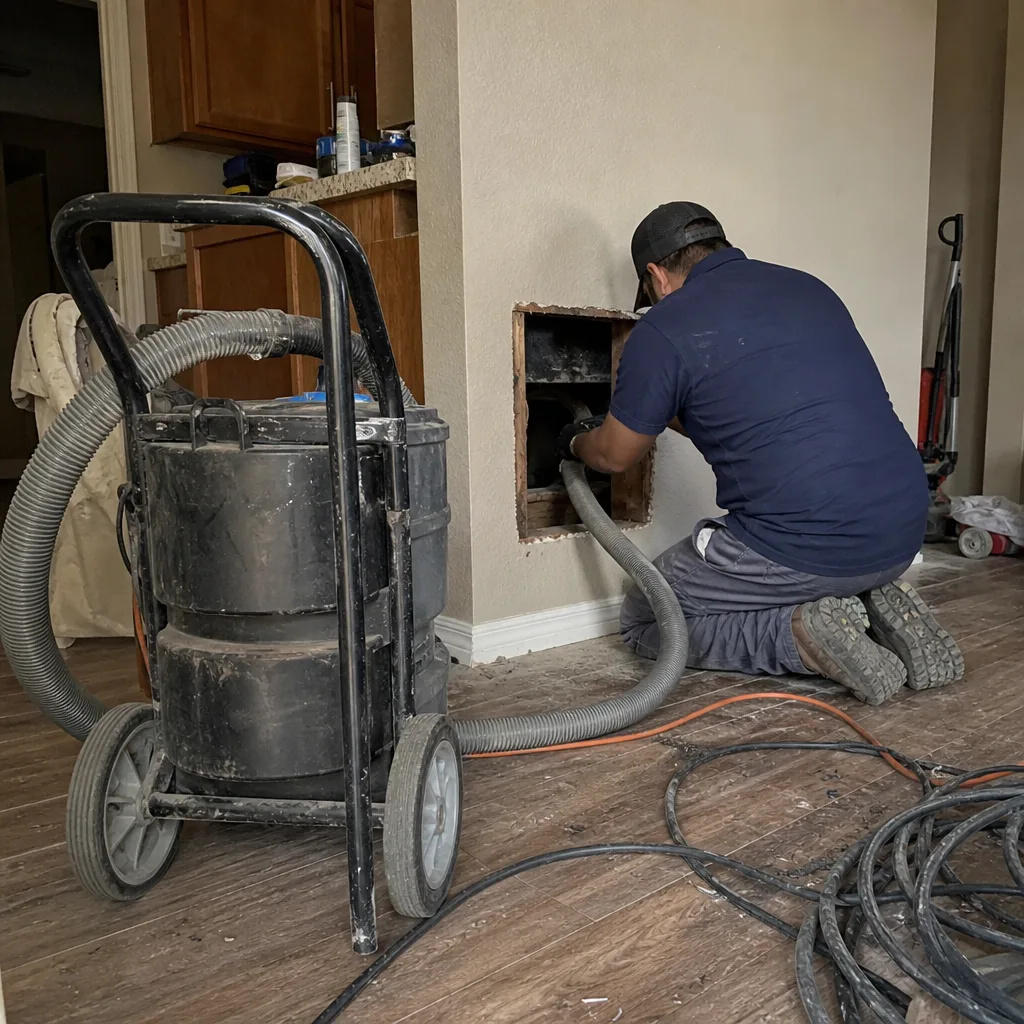 Before
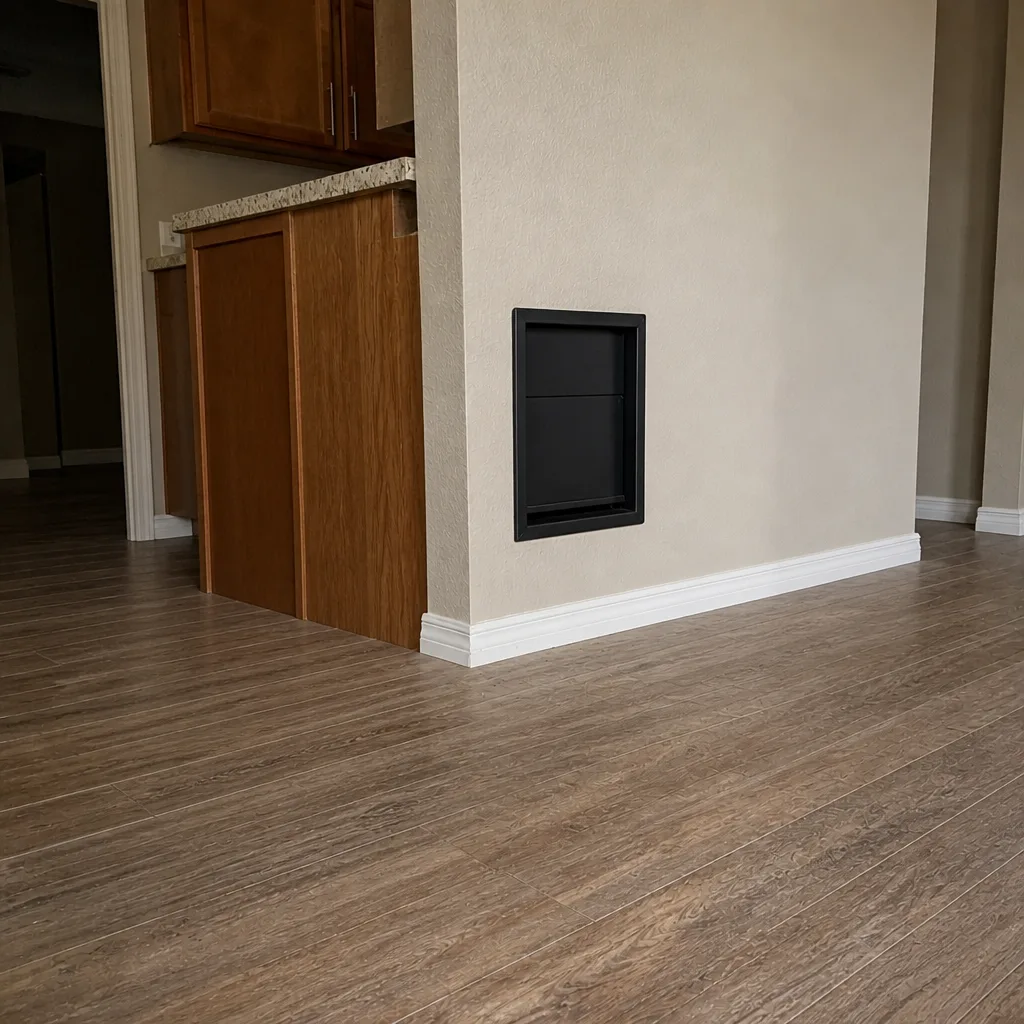 After
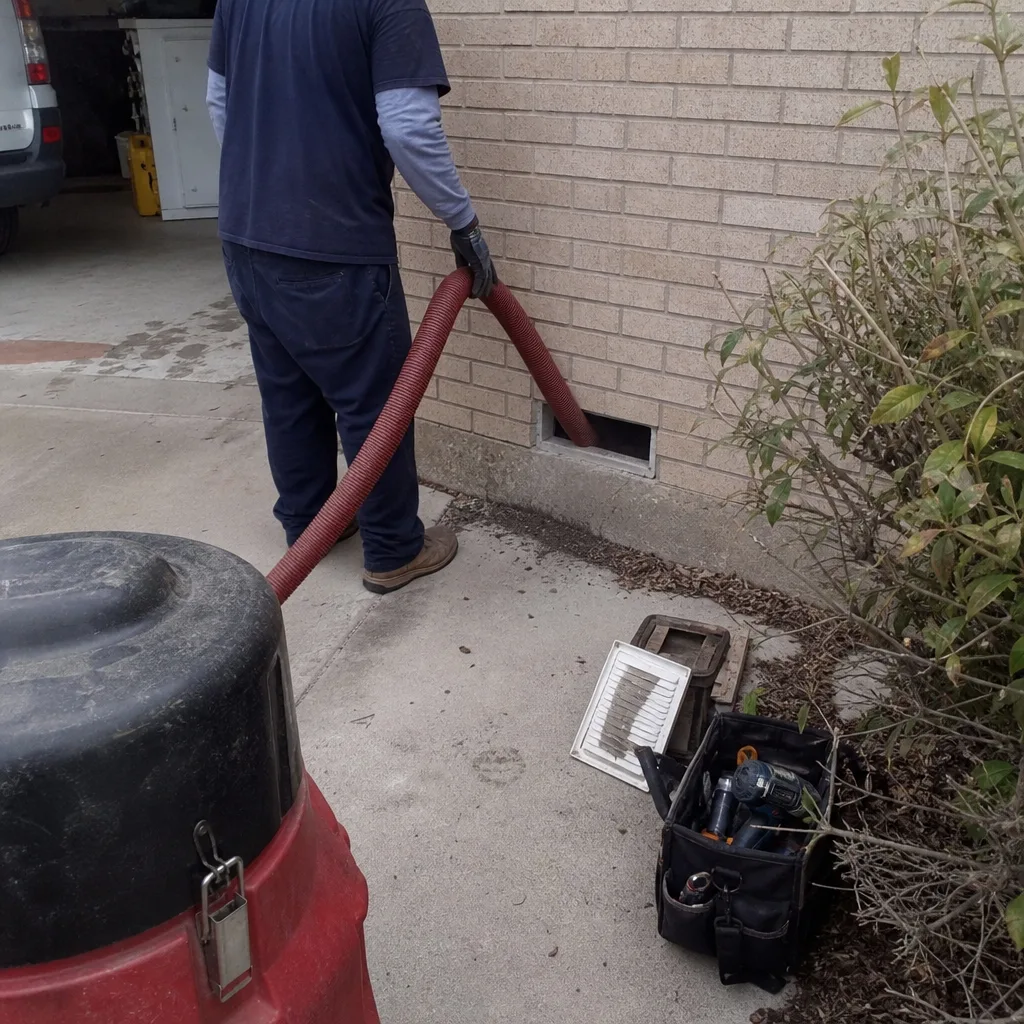 Before
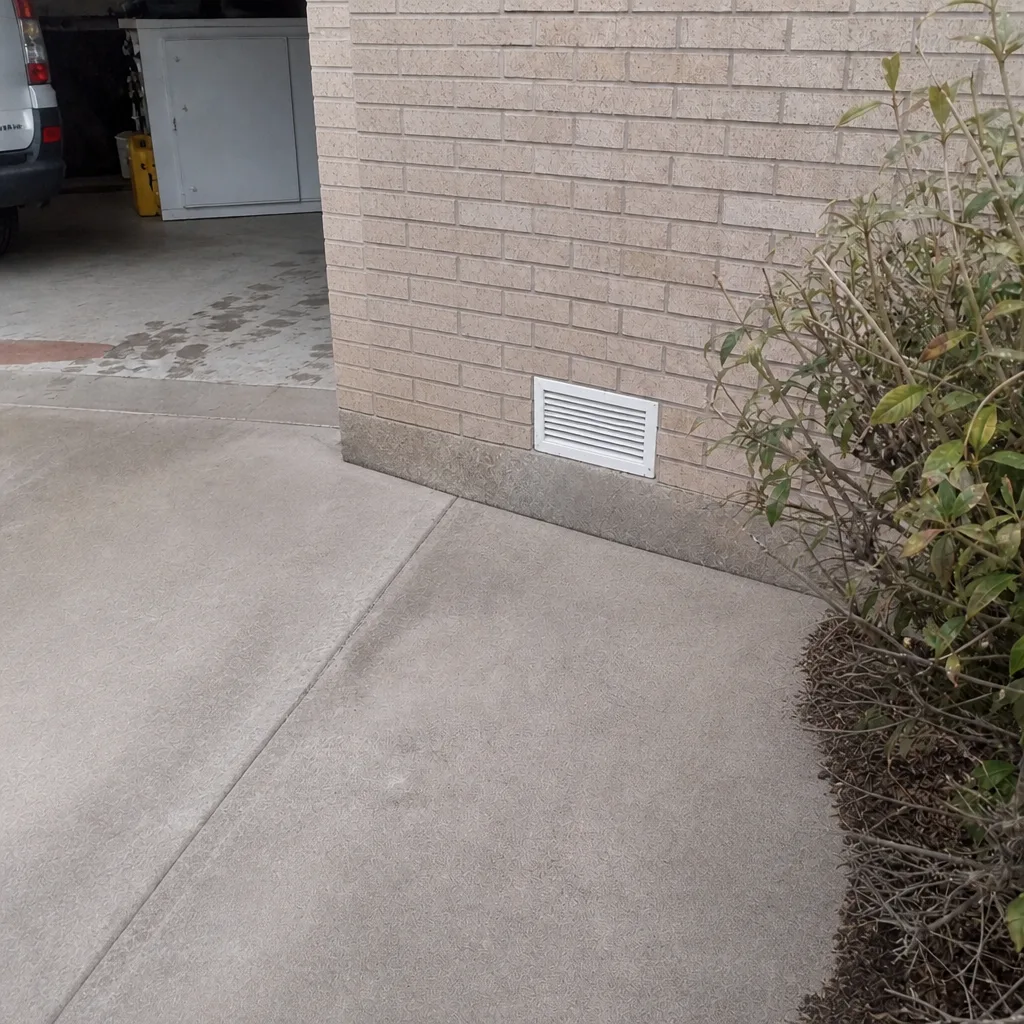 After
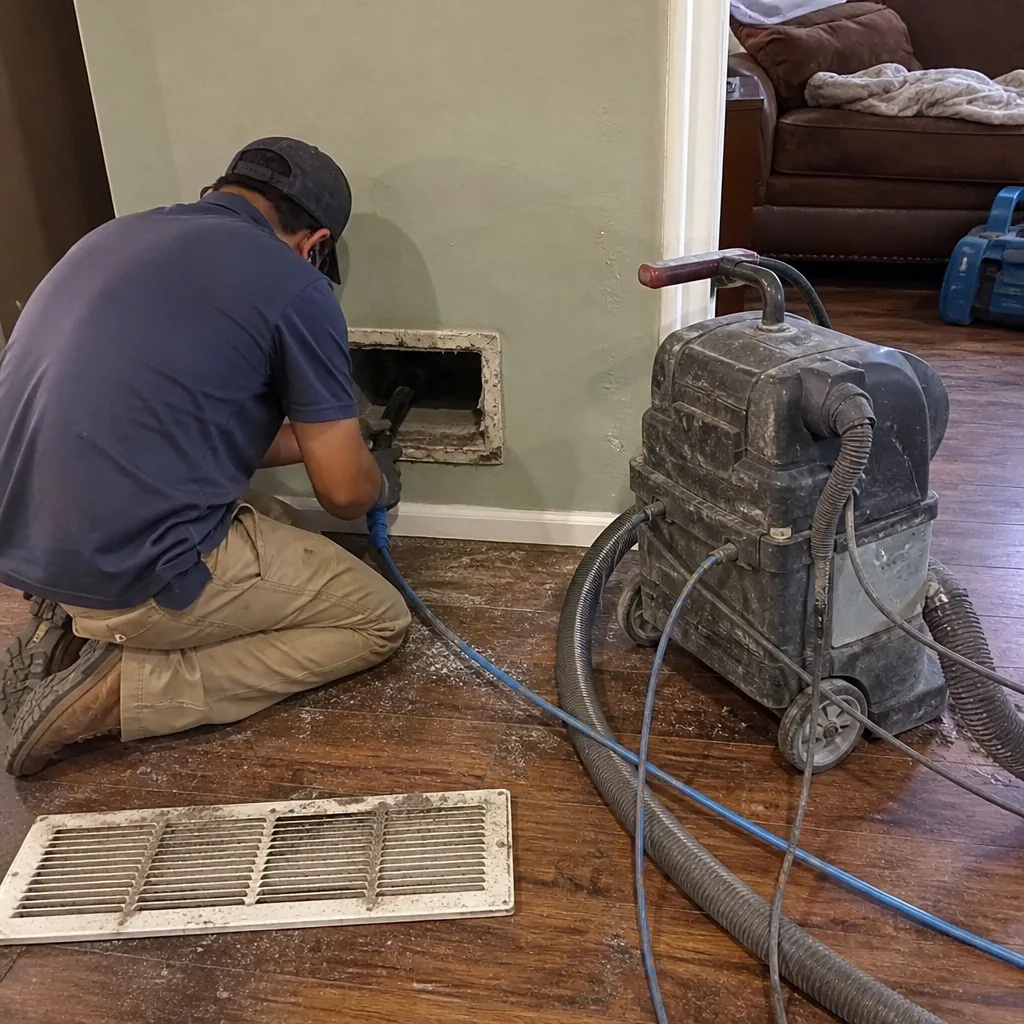 Before
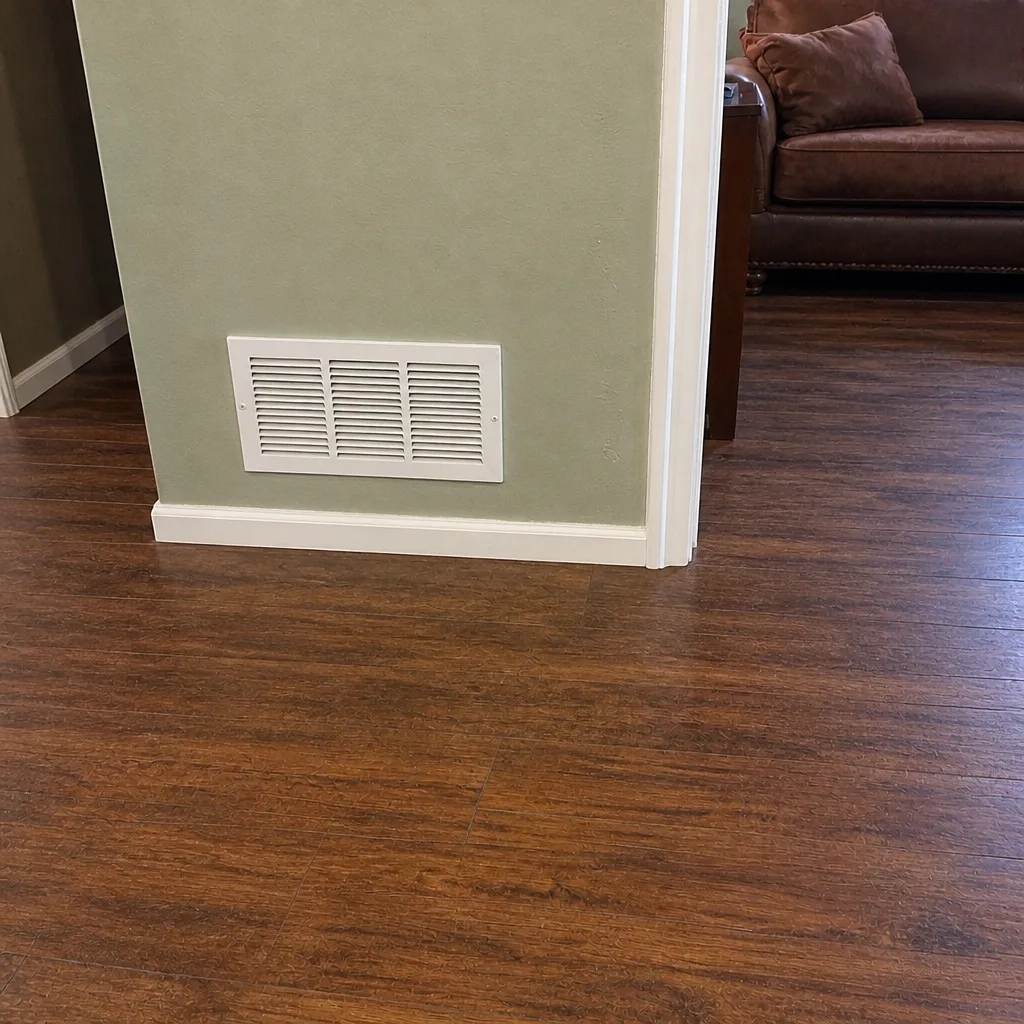 After
When to Call a Professional
Call for a professional duct assessment rather than handling it yourself in any of these situations: a weather event breached the attic or the roof deck, water entered the mechanical closet or the attic, a fire occurred anywhere in the home, rodent activity reached the duct system, or a household member with respiratory sensitivity started showing symptoms after the event. Those situations involve contamination you can’t reliably see or assess from the register, and the equipment that removes it isn’t the equipment in a homeowner’s garage. For a scheduled Air Duct Cleaning Casa View job without a source event, a professional inspection also makes sense if the ducts have never been cleaned or the home was recently purchased. Air Duct Cleaning Casa View offers free estimates in Casa View. Call (888) 886-6271. We answer 24/7. Fast dispatch from 7am to 7pm, Sunday through Friday. The written estimate sets the final price before any work begins.
Frequently Asked Questions
Within the first few days, before the roof repair is finished and before the HVAC system is restarted. The inspection is timed to the visible breach, not to the cleaning, because the source of the contamination is what the assessment and the insurance documentation depend on. Call us at (888) 886-6271 for a free estimate. We answer 24/7.
Yes. Set the thermostat to Off, cut the air handler breaker, close the registers, and leave the fan off. Running the system after a breach distributes debris and moisture from the attic through every supply run in the house, and the contamination is far easier to contain if the system hasn’t been circulating.
Coverage depends on your policy and whether the duct contamination traces to a covered event, which is why documentation before the cleaning matters. Get the assessment, the photos, and a written scope first, and work with your insurer on the claim. We can work with your insurer and provide the before-and-after photos and written scope that support the claim.
Because the contamination is different in each case. Storm debris, smoke residue, floodwater saturation, and rodent activity each deposit a different material in the duct, and each requires a different response: mechanical cleaning with containment for storm debris, sanitizing for smoke and biological contamination, a liner assessment and replacement for flood saturation, and sealing for rodent entry points.
A post-disaster scope adds a liner assessment before cleaning, a documented antimicrobial sanitizing treatment, and a duct repair and sealing step to close the breach points the event exposed. Those steps are what turn a cleaning into a remediation, and they matter in a Casa View home because old duct joints are often where both contamination and moisture enter.
Ask what equipment will be used and whether it’s a blower or a mechanical contact system. Professional post-disaster duct work uses a contact-cleaning system like the Rotobrush, a high-powered vacuum like the Nikro, and on-site containment with Abatement Technologies air filtration to capture contaminants at the source instead of recirculating them through the home during the cleaning.
Most storm-related duct damage is repairable, with the sealing and repair done in the same visit as the cleaning. A saturated flexible duct or duct board liner section may need to be replaced, which is a targeted repair rather than a whole-system replacement. The liner assessment is what determines which it is.
The Bottom Line
The HVAC system belongs in the household emergency plan next to the roof and the breaker panel. After a storm, flood, fire, or rodent intrusion in Casa View, the sequence is: shut the system down, photograph the source, call for a duct assessment before the repairs finish, document the condition, then clean, sanitize, and seal. A maintenance cleaning doesn’t cover that scope, and the reason is that the contamination isn’t maintenance-level. If the source event happened, treat the duct as a remediation job. If you’re not sure which you have, get the inspection, get the written scope, and get the flat price in writing before any work starts.
Call (888) 886-6271 for a free estimate. We answer 24/7. Fast dispatch from 7am to 7pm, Sunday through Friday. The written estimate sets the final price, and before-and-after photos of your own ducts show the work that was done.
Written by the team at Air Duct Cleaning Casa View.