
Last updated November 23, 2026
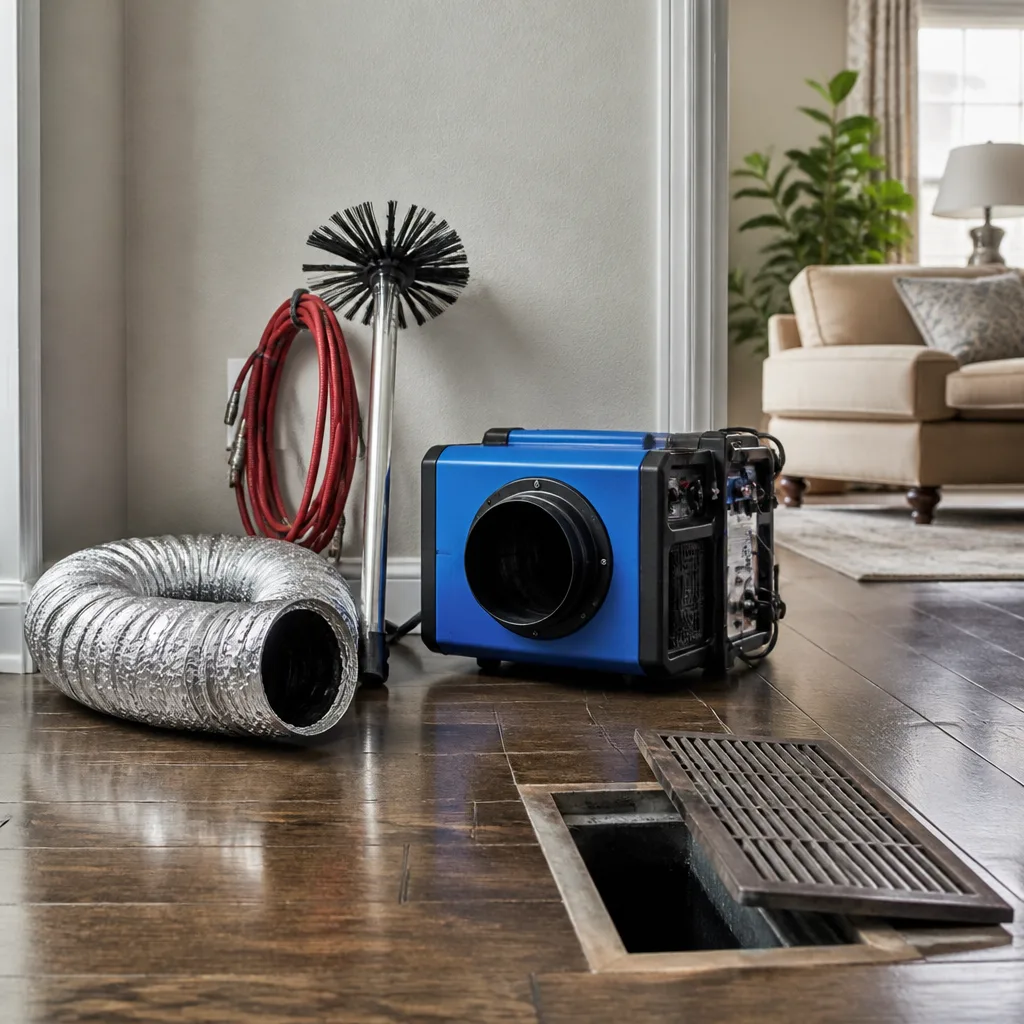 Whole-home duct cleaning
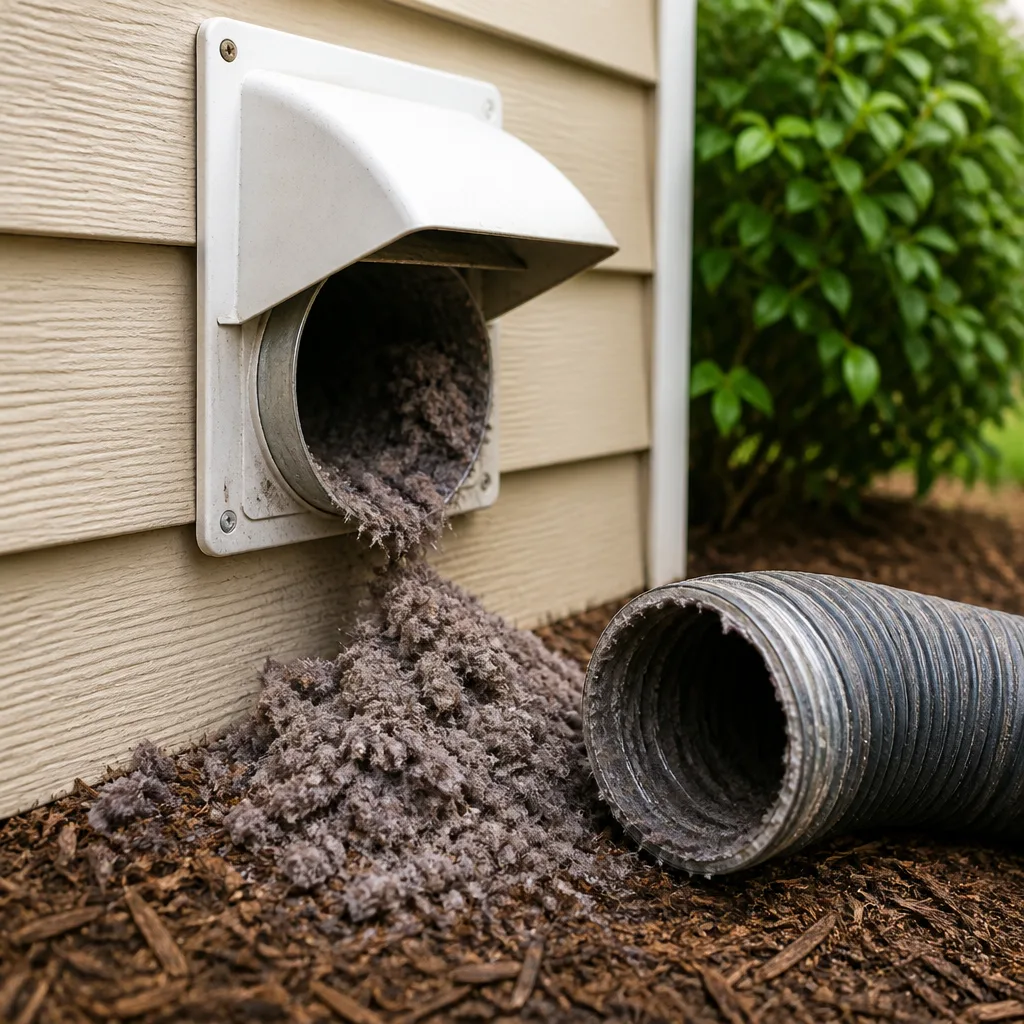 Dryer vent cleaning
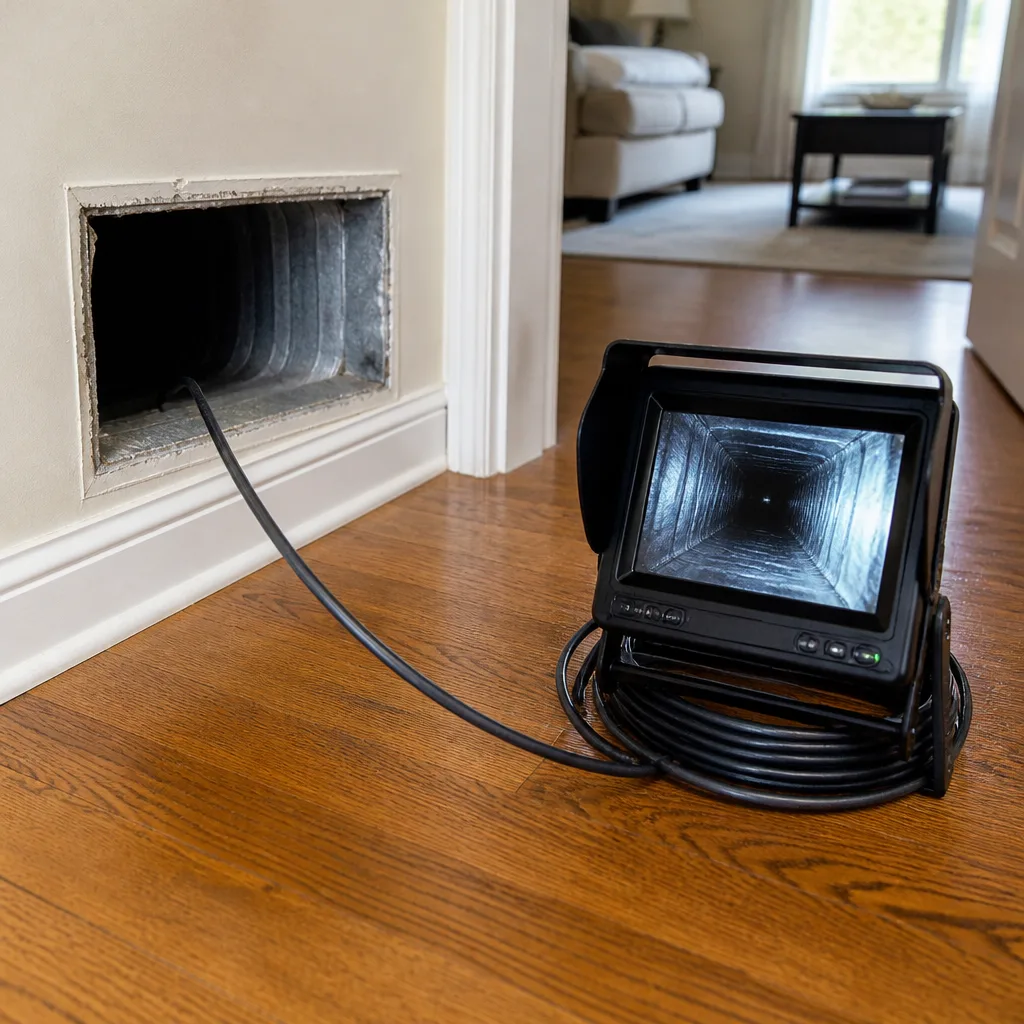 Camera inspection
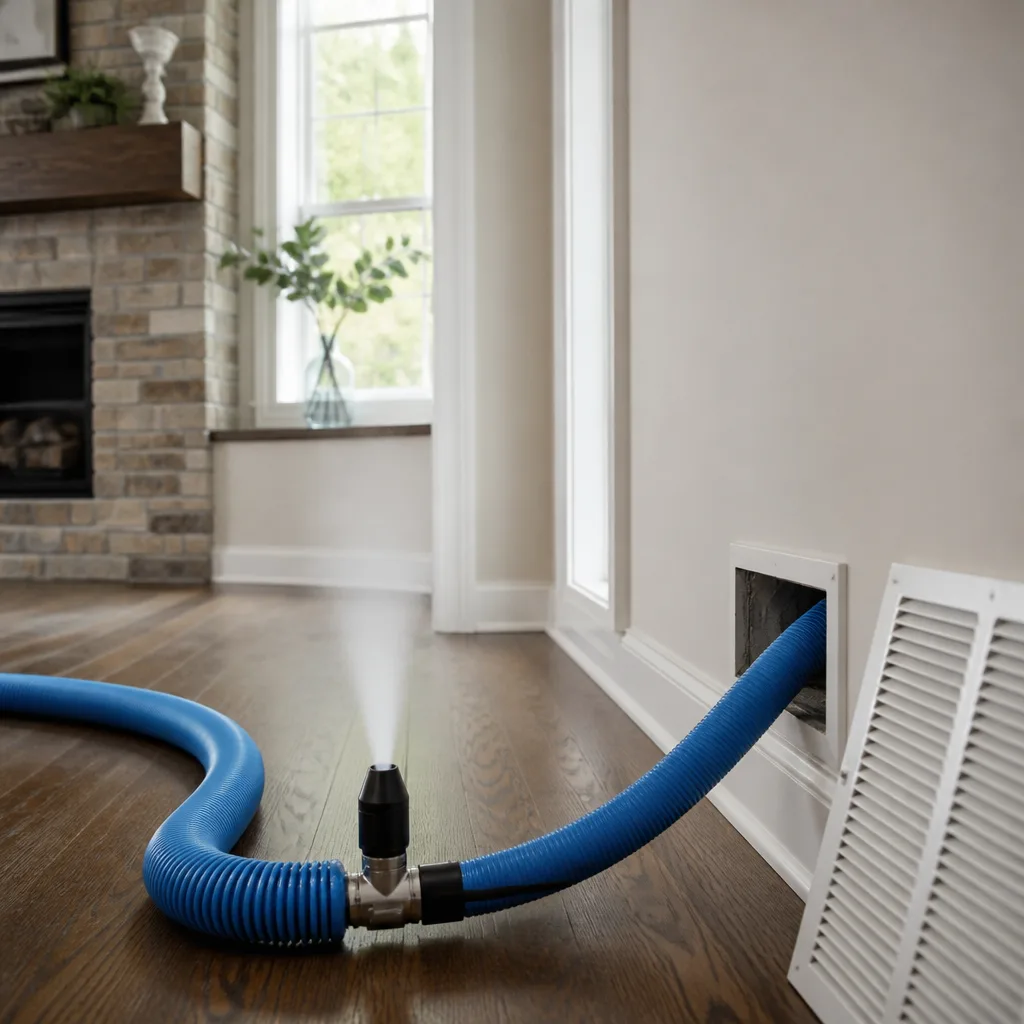 Sanitizing & deodorizing
Whole-system duct and dryer vent check with before-and-after photos - you see exactly what came out of your vents
That "$99 whole-house special" is a bait ad - the real number appears once they are in your hallway, or the "clean" is a shop-vac at the register. We photograph the inside of your ducts before and after instead.
Air Duct Cleaning Maintenance Checklist for Casa View Homeowners
The filter you changed last month may be protecting a duct system that’s already compromised at the connections. That’s the part most checklists skip. A clean filter catches dust at the return grille, but it can’t tell you anything about the flex duct collar that slipped off its plenum tap, or the register boot that separated from the drywall in the attic. In Casa View homes, those connection failures are where air quality and energy losses actually start, and they’re invisible unless you know where to look. This guide is built around the specific failure points we see here: aging flex duct, attic bypasses, and return paths that move humid air through unconditioned space. You’ll get a monthly, quarterly, and annual cadence, the exact inspection points to check, and a logging format that holds up when you sell the house.
Quick Answer
A Casa View homeowner should check the filter monthly, inspect accessible duct connections and the air handler cabinet quarterly, and schedule professional cleaning and a dryer vent inspection annually. The schedule shifts because of local heat cycles and storm seasons: the long cooling season concentrates condensation risk on flex duct in the attic, and spring storm winds push debris into outdoor units and return paths. Visual inspection of connections matters more than filter changes alone, because most duct degradation starts at the joints, not in the duct run itself.
Styles & brands we work with
- Whole-home duct cleaning
- Dryer vent cleaning
- Camera inspection
- Sanitizing & deodorizing
Table of Contents
- What Maintenance Cadence Fits Casa View’s Heat and Storm Cycles?
- How Do You Inspect Flex Duct Connections Without Taking the System Apart?
- What Do HVAC Cabinet Panels Tell You About Contamination?
- Where Does Dryer Vent Cleaning Fit in the Rotation?
- How Should You Log Duct Maintenance for Resale Value?
- When Does Cleaning Become Sanitizing?
- Why Repair and Sealing Belong in the Same Visit
- Common Mistakes to Avoid
What Maintenance Cadence Fits Casa View’s Heat and Storm Cycles?
Build the checklist in three tiers: monthly, quarterly, and annual. The tiers exist because different failure modes run on different clocks. Monthly tasks are about airflow and load. Quarterly tasks are about physical inspection. Annual tasks are about the parts of the system you can’t reach without equipment. Casa View sits in a climate where the cooling system runs for most of the year and the heating season is short and mild, so the cooling side of the checklist carries more weight than a national guide would suggest.
Monthly Tasks
- Check the filter. Hold it up to a light. If you can’t see through it, replace it. During the peak of summer, check it twice a month.
- Look at the return grilles for dust fringe building on the edges. That fringe is your first sign the return is pulling from a dirty source.
- Confirm the outdoor condenser is clear of leaves, grass clippings, and storm debris. Keep a foot of clearance on all sides.
- Listen at the air handler for rattles or a whistling sound at the cabinet seams. Whistling usually means a leak in the cabinet or the plenum.
Quarterly Tasks
- Inspect the duct connections you can reach (covered in detail below).
- Check the air handler cabinet panels and gaskets for dust staining.
- Walk the attic and look for compressed or kinked flex duct. Any run that lost its round shape is losing airflow.
Annual Tasks
- Professional air duct cleaning of the full air pathway, including supply and return runs.
- Dryer vent cleaning, evaluated against household load (more on this below).
- HVAC cleaning of the coil and blower compartment, which you can’t safely reach yourself.
The heat cycles matter here for a specific reason. During the long cooling season, the attic and the conditioned space sit at very different temperatures and humidity levels. Flex duct that runs through the attic sweats where it’s under-insulated or where the vapor barrier is torn, and that moisture is what degrades the duct jacket over time. Storm seasons bring wind-driven debris into the outdoor unit and sometimes push standing water through soffit vents. Neither of those shows up as a filter problem. They show up as connection failures and airflow losses that only a visual inspection catches.
How Do You Inspect Flex Duct Connections Without Taking the System Apart?
You can inspect the plenum taps and register boots with a flashlight, a handheld mirror, and no tools. Turn the system off before you go near the ductwork, and never open the air handler cabinet yourself. The goal is visual confirmation, not disassembly. In Casa View, most duct runs are flex duct, and flex duct fails at the connections before it fails anywhere else. The plastic inner liner separates from the collar, the tape dries out, or the zip tie loosens. Once that happens, the system starts pulling attic air into the supply stream.
At the Plenum
The plenum is the sheet-metal box sitting on top of the air handler. Flex runs attach to it with collars. Look for three things:
- Separation at the collar. Shine the light where the inner liner meets the metal. Any gap wider than a credit card is a leak.
- Failed tape. Old cloth or duct tape that has dried and lifted. Duct mastic, applied properly, doesn’t crack and peel the way tape does.
- Compression. Sagging runs pulling down on the collar. The duct should hang with support every four feet or so, with a slight belly, not a hard bend.
At the Register Boot
The boot is the metal or plastic fitting that connects the duct to the ceiling or floor register. In many Casa View homes, the boot sits inside an attic space you can reach. Look for:
- A visible gap between the boot and the drywall. That gap leaks conditioned air into the attic.
- Duct pulled off the boot collar. Often caused by settling or by someone stepping on the run in the attic.
- Dust streaks radiating from the collar. Dust collects where air escapes, so a dark ring at the joint is a leak signature.
Do not climb into a hot attic without a safe path, and don’t go up at all if you’re not comfortable with the space. A visual inspection from the hatch, with a good flashlight, catches most of what matters. For anything you can’t see, that’s what the annual professional visit is for. Proper mechanical agitation and contact cleaning with equipment like the Rotobrush system reaches the interior of the duct in a way no flashlight can.
What Do HVAC Cabinet Panels Tell You About Contamination?
Dust staining on the outside of the cabinet usually means the same contamination is happening inside. The air handler cabinet holds the blower and, in most systems, the evaporator coil. It’s the junction between the return duct and the supply duct, so what happens there tells you what’s flowing through the whole system. You’re looking at the outside of the cabinet, not opening it. Visual signals only.
- Dust halos around panel screws and seams. Air is leaking at the panel, and it’s carrying dust with it. That leak also means unfiltered air is entering downstream of the filter.
- Dark staining on the return-side panel. This points to a dirty return path or a filter that isn’t sealing properly in its rack.
- Rust or water marks at the bottom of the cabinet. Condensate issues, often from a clogged drain line. That moisture feeds microbial growth on the coil.
- Deteriorated panel gaskets. Foam gaskets harden and crumble over time. When they fail, the cabinet leaks air in both directions.
- Visible dust on the blower wheel, if you can see it through a louver. A caked blower wheel is a strong sign the coil and cabinet need professional cleaning, not just a filter.
Here’s the reason this matters more than the filter check. Once contamination establishes inside the cabinet, it migrates into the supply ducts with every cycle. You can change filters perfectly and still be blowing dirty air, because the filter sits upstream of the coil, not downstream of it. That’s why we recommend HVAC cleaning as a separate line item from duct cleaning: the coil and blower compartment are the part of the pathway the filter never touches. In Casa View’s humid cooling season, a wet coil with dust on it is also a growth surface, and that’s when a mechanical cleaning needs to be followed by a sanitizing step instead of standing alone.
Where Does Dryer Vent Cleaning Fit in the Rotation?
Dryer vent cleaning belongs in the annual rotation, and in high-use households it needs to happen more often than that. It’s the most overlooked item on most maintenance lists because it isn’t connected to the HVAC system at all, and many air duct companies simply don’t offer it. Lint accumulation is the reason. Every load of laundry sheds lint, and some of it passes the lint trap and collects in the vent run. The more loads per week, the faster the accumulation.
When to Act
- Annual cleaning for a household running a typical number of loads per week.
- Every six to nine months if the household runs laundry most days, or if there are pets whose hair makes it into the dryer.
- Immediately if drying times have gotten noticeably longer, the dryer feels hot to the touch on top, or you notice lint collecting around the outside vent hood.
- Before buying a house if the previous owner’s maintenance history is unknown. A vent run you’ve never inspected is a vent run you can’t vouch for.
The vent routing matters too. A short, straight run to the exterior wall is easy to keep clear. A long run with multiple elbows, or a run that terminates on the roof, traps lint at the bends and is harder to inspect. If your dryer vent exits through the roof, put it on the professional list and don’t try to handle it yourself. Roof access is a fall hazard and the run is usually too long to inspect from the ground.
Lint is a fire fuel, and a restricted vent makes the dryer run hotter than it’s designed to. That’s the whole argument for including dryer vent cleaning in the same rotation as the HVAC work. It’s the same house, the same maintenance calendar, and the same professional visit can cover both.
How Should You Log Duct Maintenance for Resale Value?
Log maintenance in a single document that a contractor can read in thirty seconds. The format matters more than the detail. Most homeowners either keep nothing or keep a pile of receipts in a drawer, and neither is useful at resale. A buyer’s inspector will ask about the HVAC system, and a clean log answers the question before it becomes a negotiation point.
The Format That Works
- One line per event. Date, what was done, who did it, and the invoice or receipt number.
- Separate the categories. Filter changes, duct cleaning, HVAC cleaning, dryer vent, and any repair or sealing work each get their own section. Don’t mix a filter change with a professional cleaning; the buyer needs to see that both happened.
- Note the condition found, not just the work done. “Flex duct collar at hall return re-sealed” tells a contractor more than “duct service performed.”
- Keep before-and-after photos in the same folder as the log. This is where documentation actually earns its keep. Photos of your own ducts, before and after cleaning, are hard evidence that the work happened and the system was in a given condition at a given date.
- Store it digitally and keep a printed copy. A PDF in a cloud folder, plus a printed copy in the HVAC closet, covers both the contractor standing in front of the unit and the buyer who asks for records months later.
The resale angle is real but it’s secondary. The primary value is diagnostic. When a contractor can see that the duct connections were sealed two years ago and the dryer vent was cleaned last spring, they can skip the guesswork and focus on what’s actually changed. When there’s no log, every visit starts from zero and the recommendation tends toward the cautious maximum. A written record of what’s been done is also the honest way to distinguish routine maintenance from a repair that’s genuinely due.
When Does Cleaning Become Sanitizing?
Cleaning removes what’s physically there. Sanitizing treats the surfaces that remain after the debris is gone. Those are different steps, and treating them as the same thing is a common source of disappointment. Mechanical cleaning with contact equipment like the Rotobrush system agitates and removes the accumulated material from the duct walls and carries it out on a high-powered vacuum like the Nikro units. What it doesn’t do is address what’s left on the surface after the debris is removed. That’s where a documented antimicrobial treatment step comes in.
The right sequence is: contain, clean, then treat. Containment comes first because you don’t want contaminants released into the living space during the work. This is why we deploy Abatement Technologies air filtration on every job. It captures material at the source so it doesn’t recirculate through the house while the cleaning is happening. That’s a process detail most homeowners never think to ask about, and it’s the difference between a cleaning that protects the home and one that just moves dust around.
After the mechanical cleaning, a sanitizing treatment using Guardsman products adds an antimicrobial step that’s documented, not implied. That documentation matters if you’re logging the work for resale, and it matters more if someone in the home has allergies or respiratory sensitivity. The honest framing is this: cleaning is the step that matters most, and sanitizing is the step that finishes the job. Neither replaces the other. If a provider offers sanitizing without contact cleaning underneath it, the treatment is landing on top of the debris it’s supposed to address.
Why Repair and Sealing Belong in the Same Visit
Repair and sealing belong in the same visit as the cleaning because the cleaning is what reveals the problem. You can’t seal a connection you haven’t inspected, and you can’t inspect it properly until the accumulated debris is out of the way. That’s why doing the work in one pass is more thorough than scheduling it in two.
This is the point where most homeowners get stuck. A cleaning company finds a separated collar or a torn duct jacket and refers the customer to a separate HVAC contractor. That second appointment costs time and money, and the duct sits compromised in the meantime. The system is pulling attic air into the supply stream the whole time the owner waits for the second company. Fixing it on the same visit closes that window.
Common repairs that come up in Casa View homes:
- Re-sealing plenum and boot connections with mastic or proper foil tape, replacing failed cloth tape.
- Reconnecting a duct that has pulled off its collar.
- Replacing a torn or crushed section of flex duct.
- Re-supporting a sagging run so it holds its round shape.
- Sealing cabinet panel gaps that let unfiltered air bypass the filter.
Sealing isn’t only about air quality. A duct system that leaks at the connections is also delivering less conditioned air to the rooms it serves, so the system runs longer to hit the thermostat setting. Repair and sealing in the same visit is the move that makes the cleaning worth doing. If you want to understand the full scope of what a thorough visit covers, the Air Duct Cleaning Casa View service page walks through the entire process.
Common Mistakes to Avoid
- Treating the filter as the whole checklist. The filter protects the equipment, not the duct connections. A perfect filter-change habit can coexist with a duct system leaking attic air into every supply run.
- Assuming the ducts are clean because the vents look clean. The register is the last thing the air touches and the easiest thing to wipe down. The contamination lives upstream, at the plenum and inside the runs.
- Skipping the dryer vent because it’s not an HVAC component. It’s a separate system with its own failure mode, and it’s often the item a duct-only provider doesn’t offer at all.
- Accepting a quote that’s priced per vent. Per-vent pricing encourages a fast pass over each register and leaves the plenum, coil, and connections untouched. Price the system as a whole.
- Hiring a provider who uses a portable blowout tool instead of a contact-cleaning system. A blowout tool agitates dust into the air and relies on the vacuum to catch it. Contact cleaning with a mechanical brush system physically loosens the material from the duct wall.
- Not asking about containment. Without on-site air filtration, the cleaning releases contaminants into the living space. Ask what equipment will be running during the job.
- Letting a repair referral split the job. If a connection is broken, seal it on the same visit. A second appointment leaves the system compromised in between.
- Keeping no written record. A log with dates and before-and-after photos is worth more at resale than a stack of receipts, and it makes every future visit more efficient.
See the difference
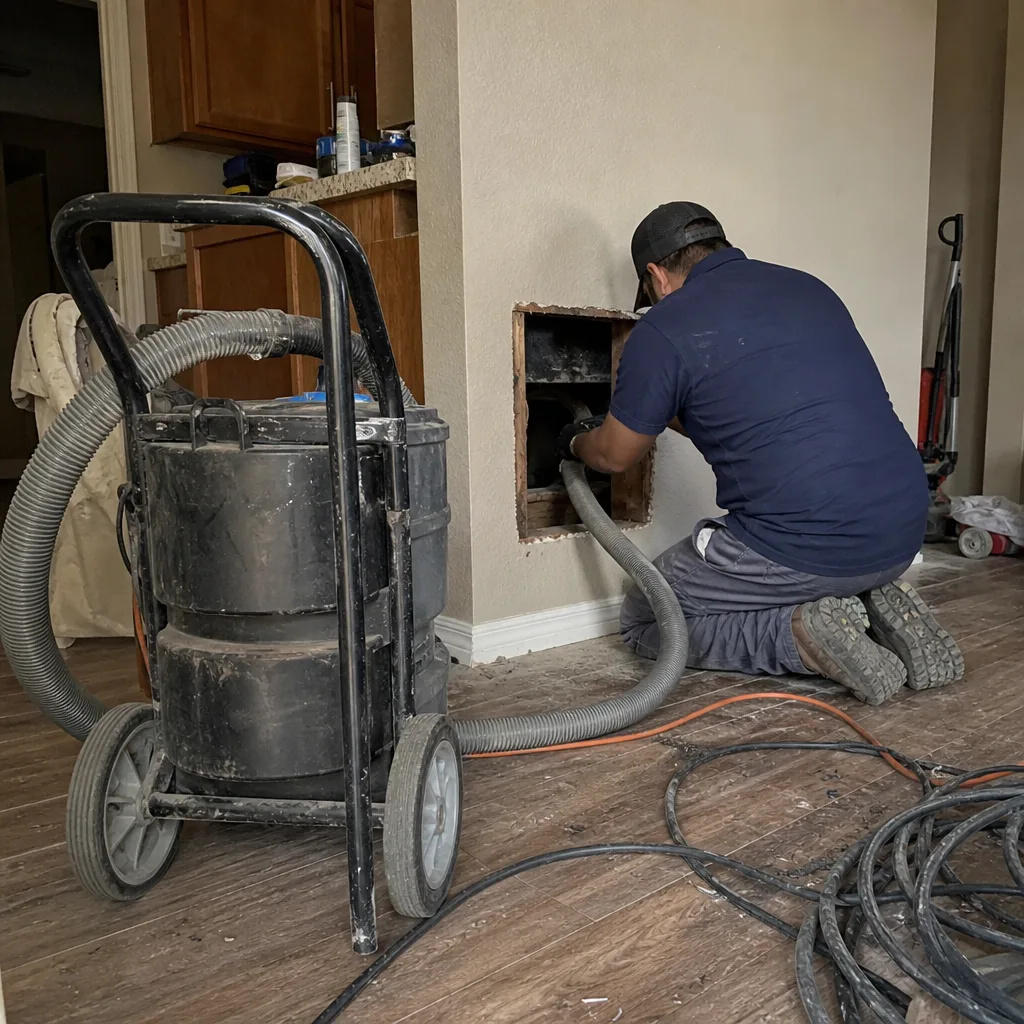 Before
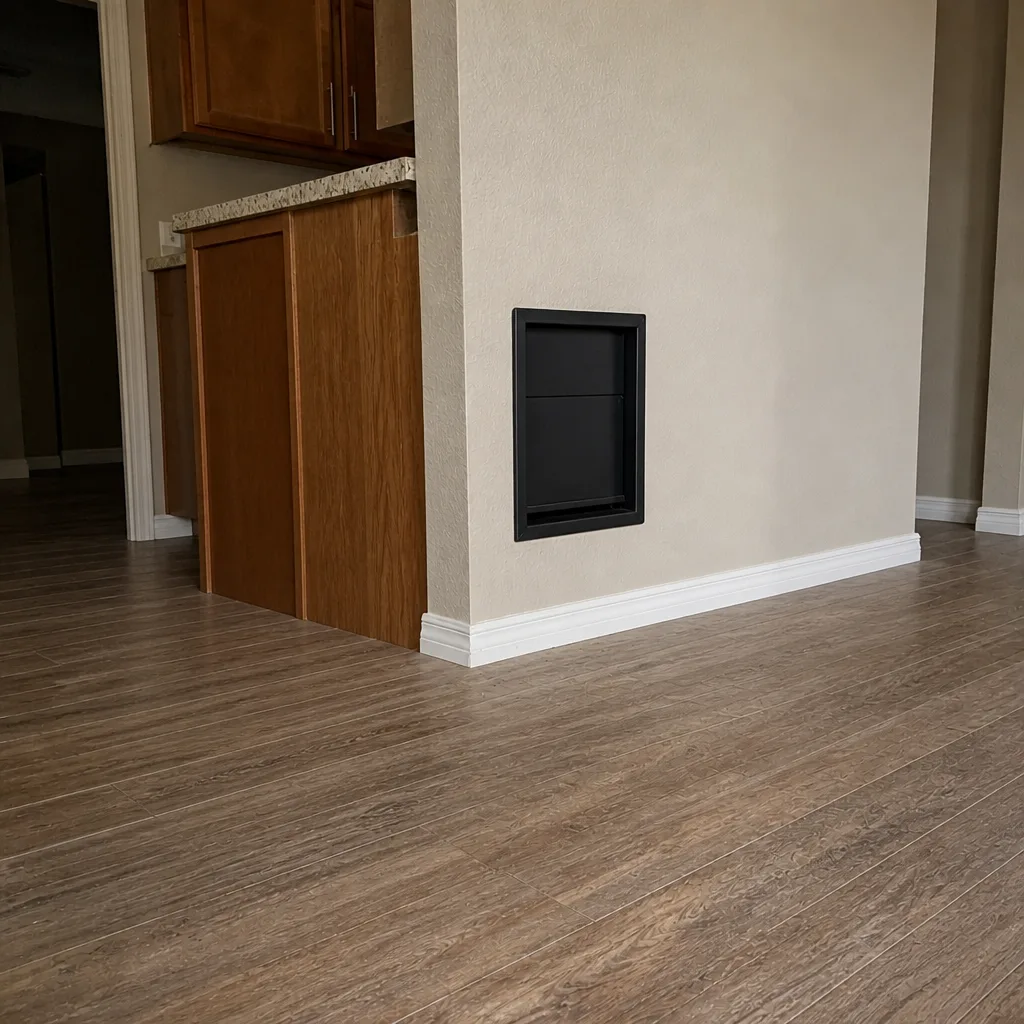 After
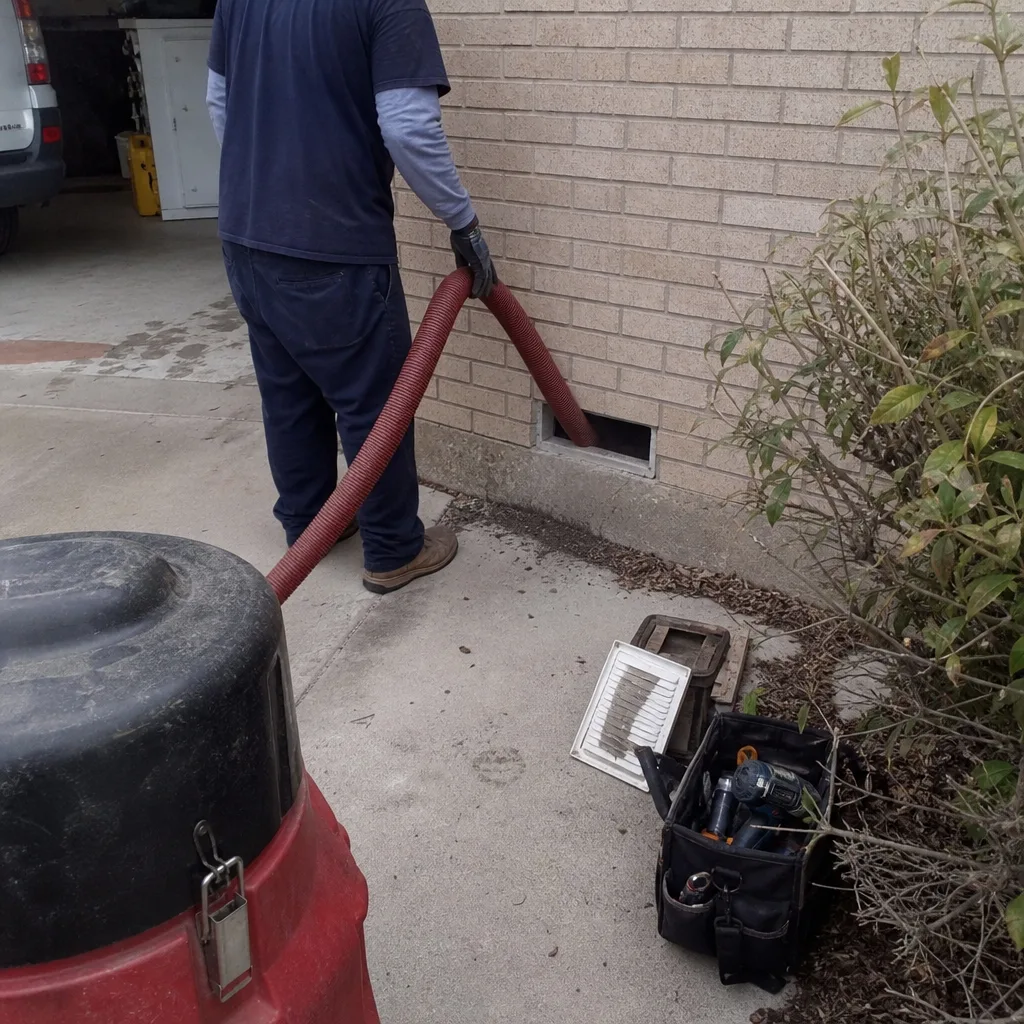 Before
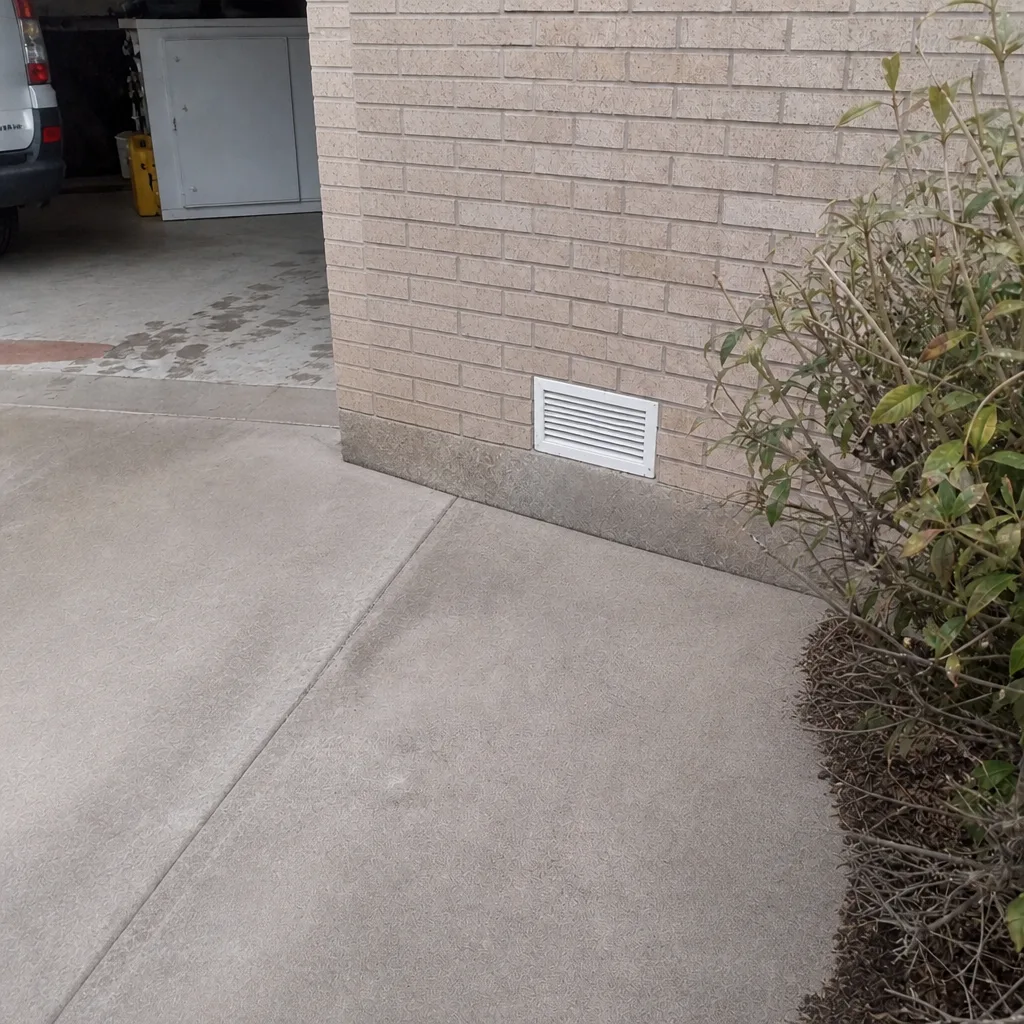 After
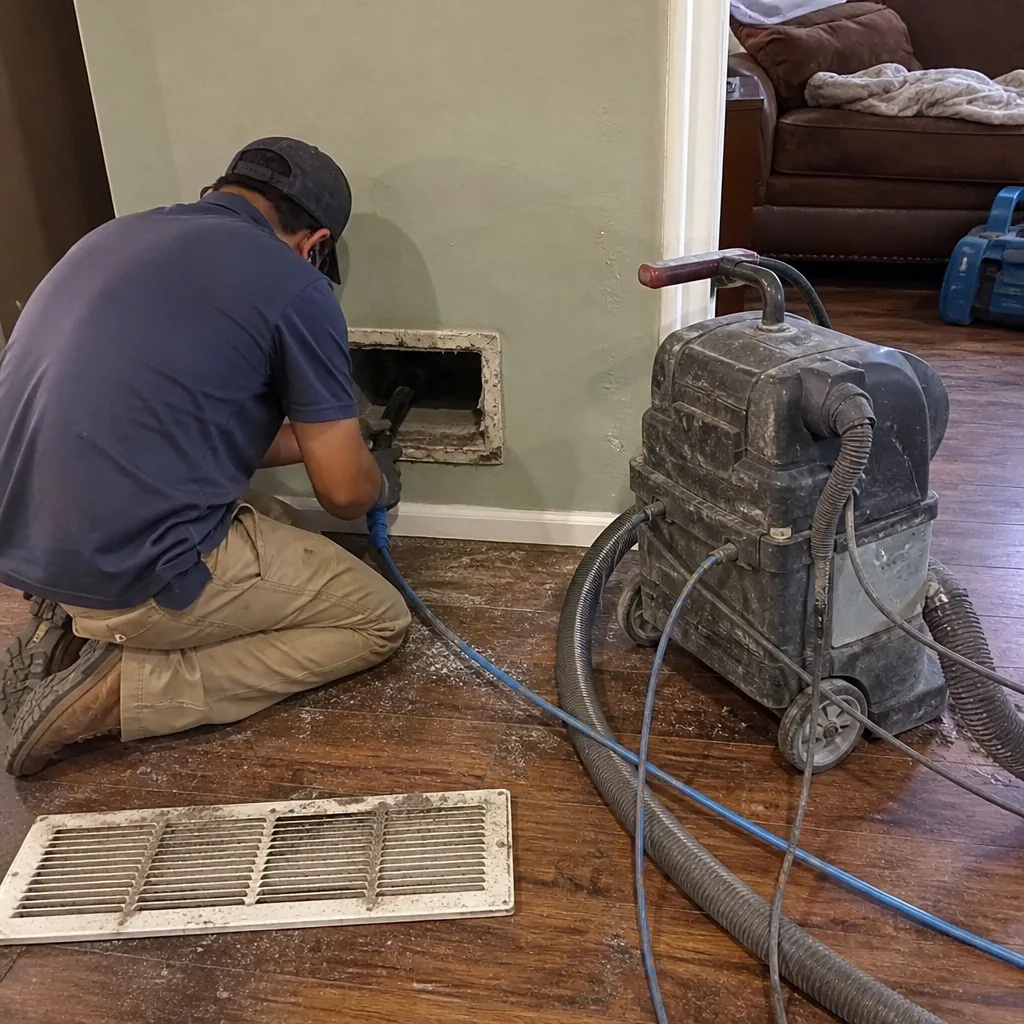 Before
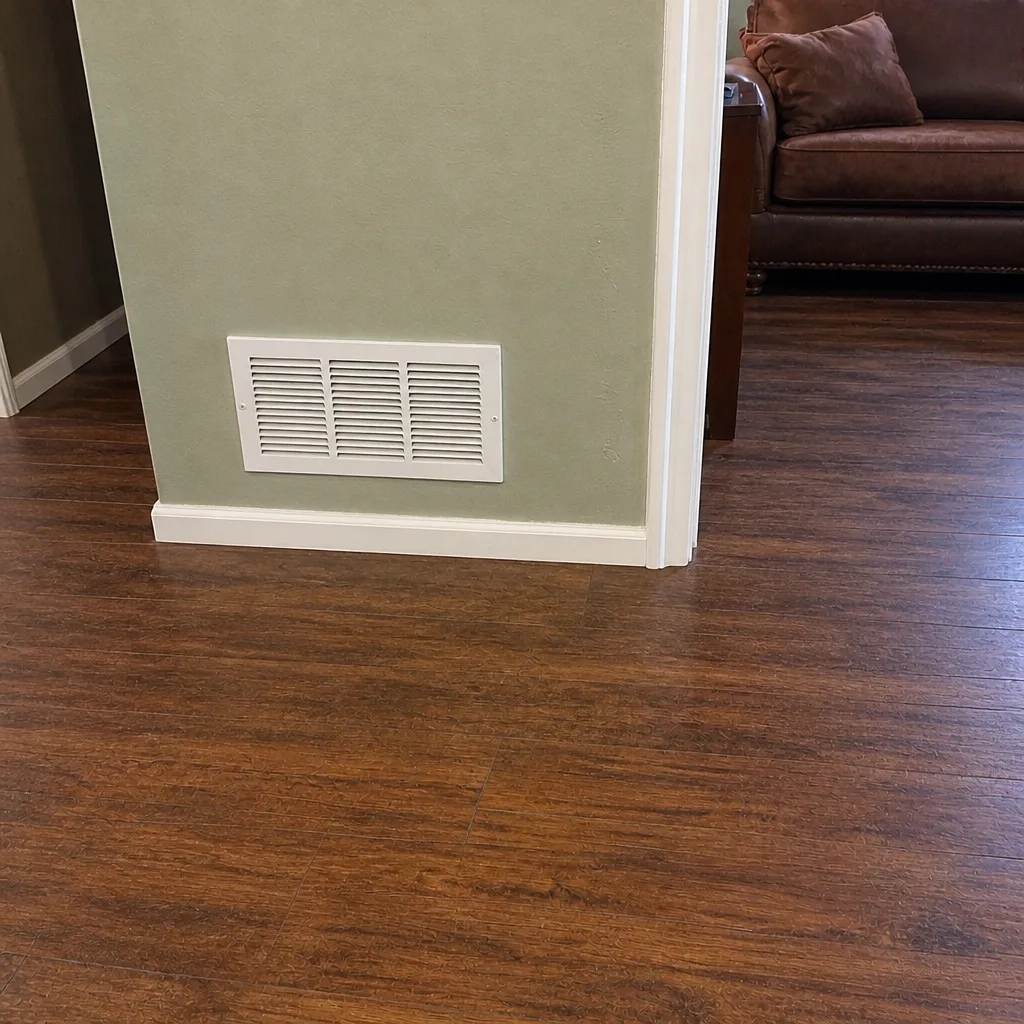 After
When to Call a Professional
Call a professional when you can see a duct connection that’s separated and you can’t reach it safely, when the air handler cabinet shows dust staining or moisture at the base, or when the airflow to some rooms is noticeably weaker than to others. Call when you’ve never had the ducts cleaned and you don’t know the history of the system, and call before you close on a home with an unknown maintenance record. Call when the dryer is running hot or taking longer to dry a load. Call when anyone in the house has allergies or respiratory sensitivity and you want proof of what’s in the system rather than a guess.
Air Duct Cleaning Casa View offers free estimates in Casa View. Call (888) 886-6271 to schedule an assessment. We answer 24/7. Fast dispatch from 7am to 7pm, Sunday through Friday.
Frequently Asked Questions
Once a year for most households, with the timing tied to the end of the cooling season. In Casa View’s climate the cooling system runs for most of the year, so the coil and ductwork carry more load than in a shorter-season market. Households with pets, allergy sufferers, or a recent move into an older home should have the system assessed first and then set a schedule based on what the assessment finds.
Duct cleaning is mechanical removal of the accumulated material from the duct walls and connections. Sanitizing is an antimicrobial treatment applied after the cleaning to the surfaces that remain. Cleaning comes first and does the heavy work. Sanitizing finishes the job. A treatment applied without proper cleaning underneath it isn’t doing what you’re paying for. Call (888) 886-6271 to ask which step your system needs, and we’ll give you a straight answer.
Yes, at the plenum and register boots you can reach from a safe spot, with the system turned off and a flashlight. Don’t open the air handler cabinet, and don’t climb into an attic space you’re not comfortable navigating. Visual inspection catches most failing connections. Anything you can’t see safely is what the professional visit is for. Call (888) 886-6271 if you’d rather have a technician take a look before you go up.
Low quotes usually reflect a fast pass over the registers with a portable tool, no containment, and no inspection of the plenum or connections. That’s not the same service. A thorough job uses contact cleaning, high-powered vacuum equipment, and on-site air filtration, and it prices the system as a whole rather than per vent. Call (888) 886-6271 for a free estimate that itemizes what’s actually included.
Annually for a typical household, and every six to nine months if the laundry runs most days. In Casa View homes with pets or heavy laundry use, lint accumulates faster than the annual default assumes. It’s a separate system from the HVAC ducts, but it belongs on the same maintenance calendar. Call (888) 886-6271 to book both in one visit.
Ask for before-and-after photos of your own ducts, taken during the job. Photos are the clearest proof, and they’re worth keeping in your maintenance log for resale. Ask what equipment will be used and whether on-site containment filtration will be running. Call (888) 886-6271 and we’ll explain exactly what the process covers before we start.
The Bottom Line
The checklist that matters for a Casa View home isn’t the filter. It’s the connections. Monthly filter checks keep the equipment protected, quarterly visual inspections catch the failing collars and separated boots that filters can’t see, and the annual professional visit handles the interior of the pathway along with the coil, blower, and dryer vent. Log it as you go, with before-and-after photos, and the record pays off both diagnostically and at resale. A system that’s clean and sealed moves air the way it was designed to. One that’s clean but leaking at the collar doesn’t.
If you’d like a professional assessment of your full air pathway, call Air Duct Cleaning Casa View at (888) 886-6271 for a free estimate. We answer 24/7. Fast dispatch from 7am to 7pm, Sunday through Friday. One flat price per system is agreed before work starts, we work with your insurer where relevant, and every job ends with before-and-after photos of your own ducts.
Written by the team at Air Duct Cleaning Casa View.