
Last updated November 23, 2026
 Whole-home duct cleaning
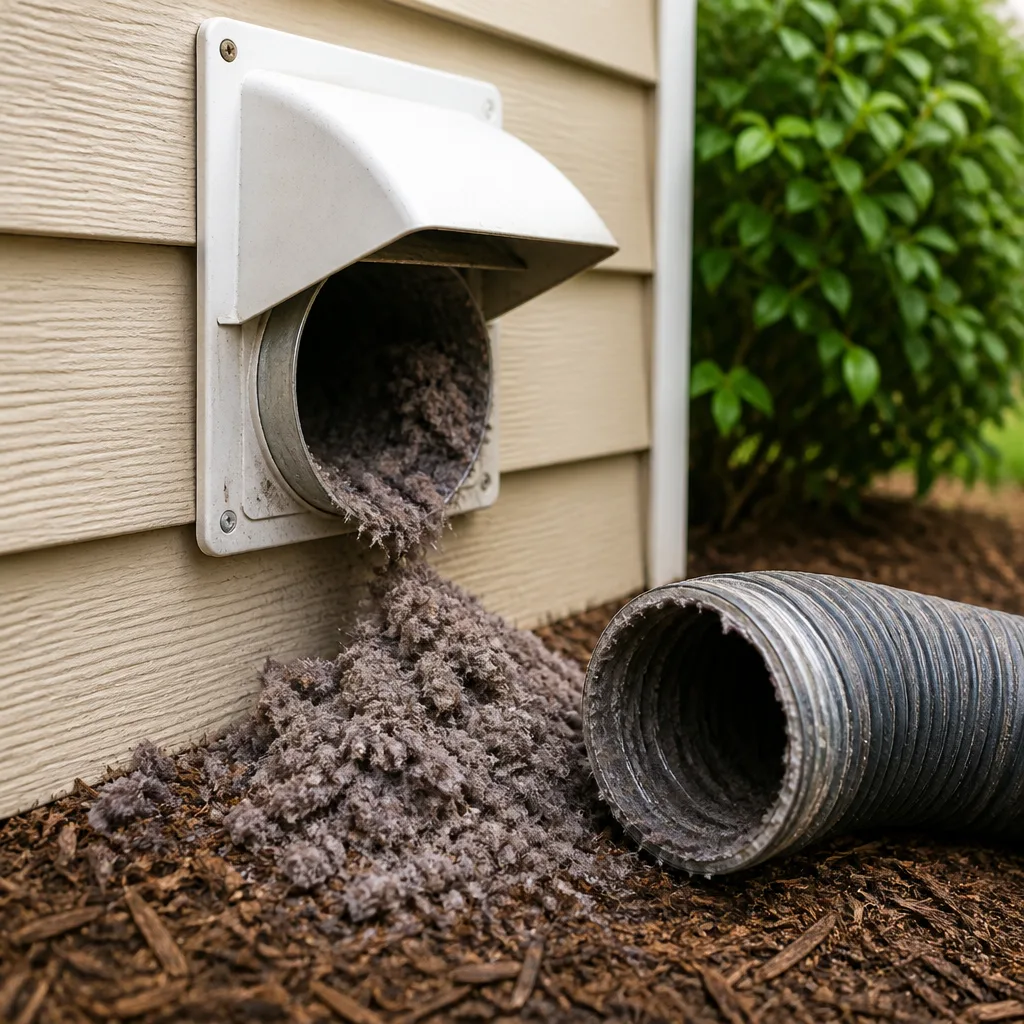 Dryer vent cleaning
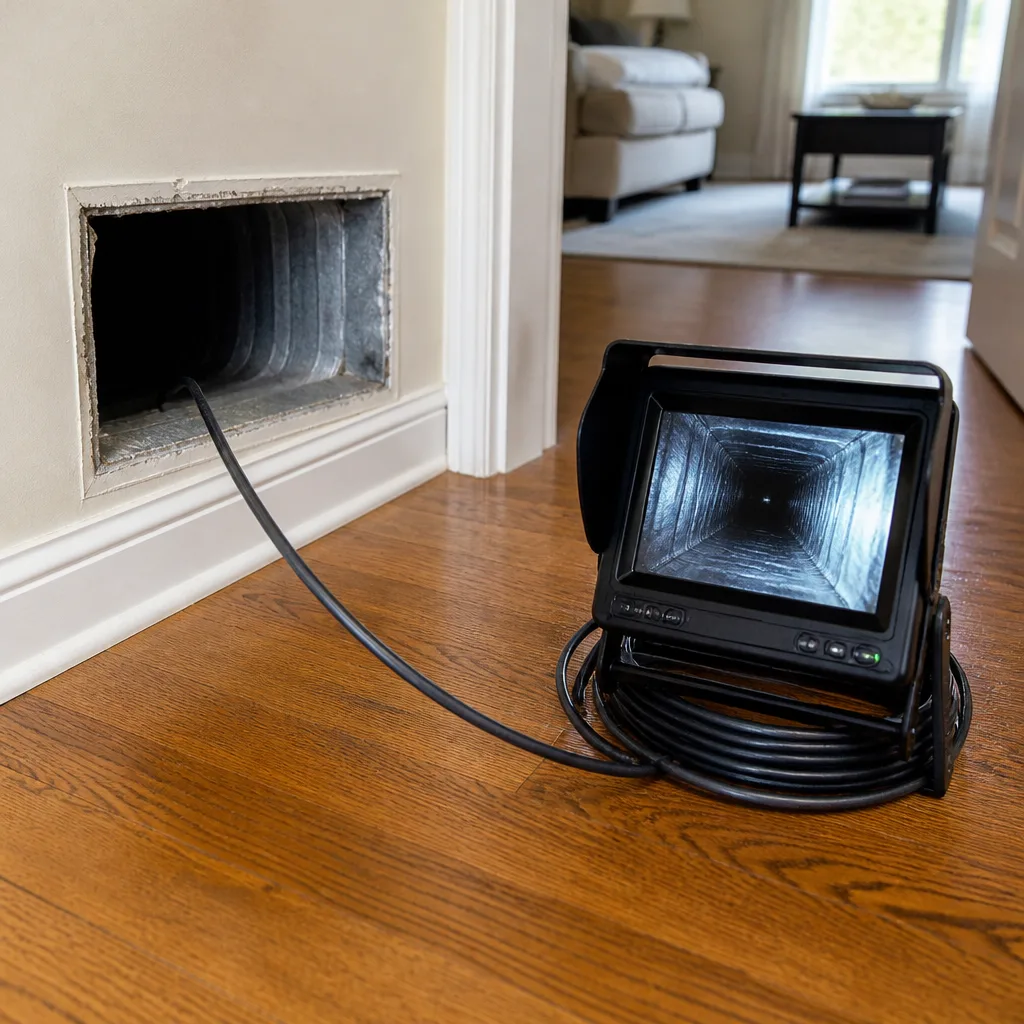 Camera inspection
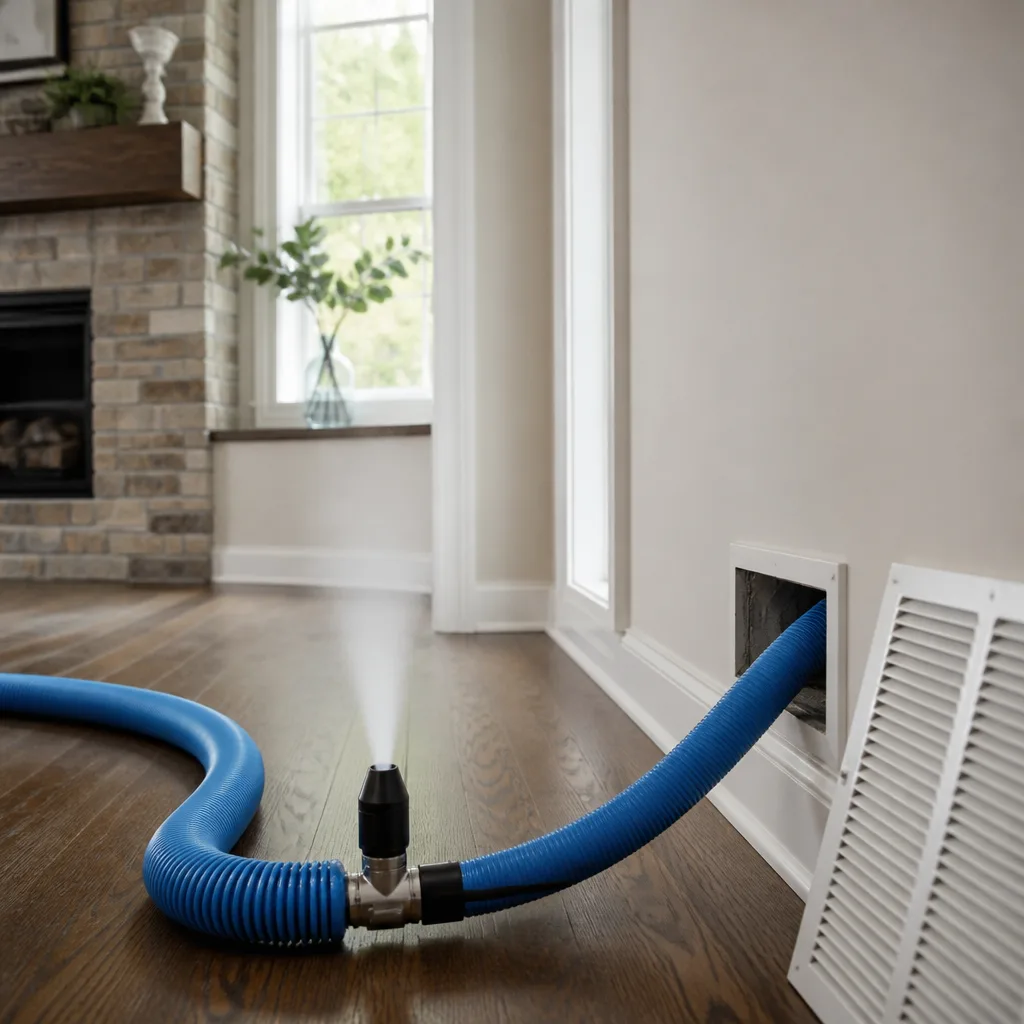 Sanitizing & deodorizing
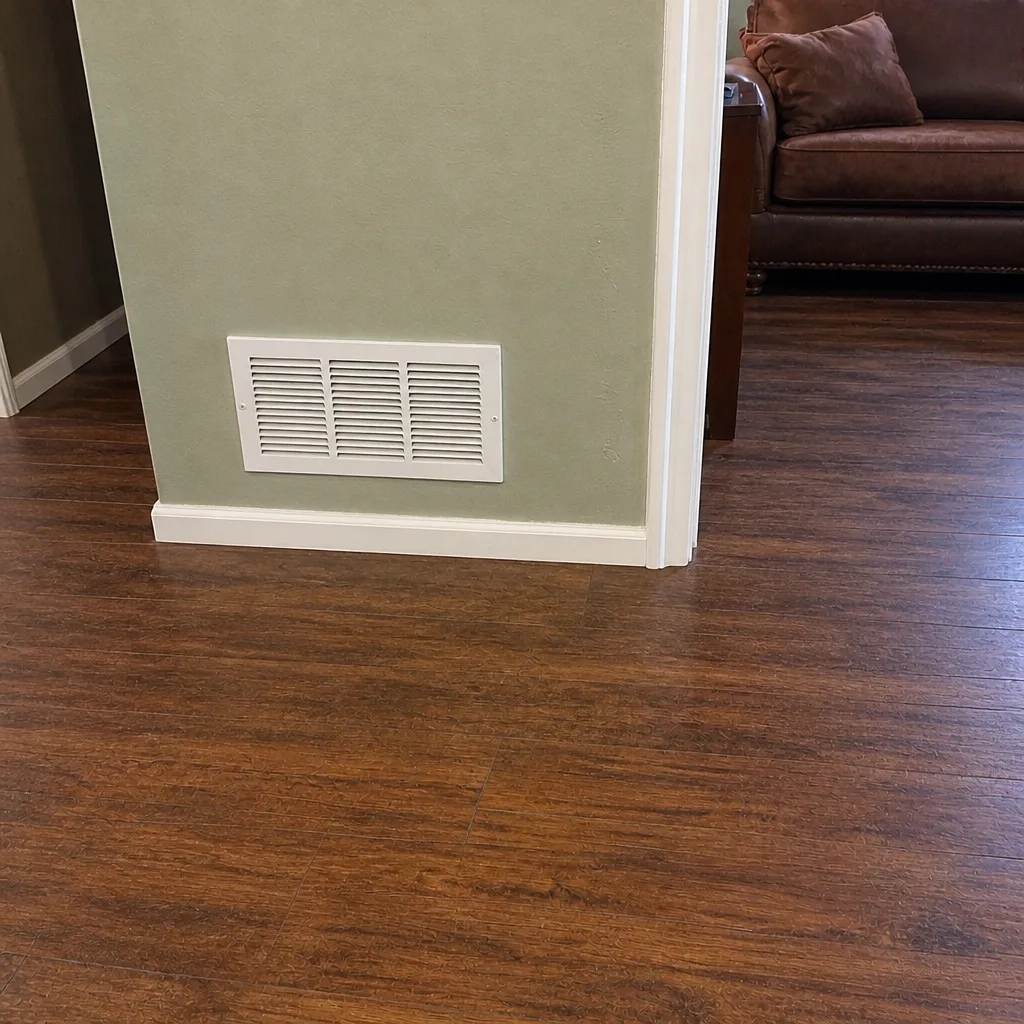
Whole-system duct and dryer vent check with before-and-after photos - you see exactly what came out of your vents
That "$99 whole-house special" is a bait ad - the real number appears once they are in your hallway, or the "clean" is a shop-vac at the register. We photograph the inside of your ducts before and after instead.
Seasonal Air Duct Cleaning Care for Casa View: Year-Round Homeowner’s Guide
Most homeowners here schedule duct cleaning in January, when the new year nudges them toward a fresh start. It feels logical. But in Casa View, the two heaviest contamination events of the year land in April and September, and a January cleaning puts you on the wrong side of both. This guide walks through what actually happens inside a North Texas duct system across all four seasons, why spring pollen and summer attic heat are the real stress points, and how to build a care schedule that front-loads inspection and cleans only when the conditions justify it. You’ll finish with a calendar you can use, not a quarterly checklist you’ll forget by February.
Quick Answer
Year-round air duct care in Casa View should follow contamination windows, not calendar quarters: inspect in late winter, clean ahead of cooling season when spring pollen loads your return grilles, watch for attic condensation and microbial growth during summer, address post-storm debris and insulation displacement in fall, and use the winter heating restart as a check point for the blower and heat exchanger. Cleaning on that schedule costs less over a year than reacting to a problem, and it keeps your system working less hard through a typical Casa View summer.
Styles & brands we work with
- Whole-home duct cleaning
- Dryer vent cleaning
- Camera inspection
- Sanitizing & deodorizing
Table of Contents
- Why Seasons Matter More Than Calendar Quarters in Casa View
- Spring: Pollen Loading at Return Air Grilles
- Summer: Condensation Risk in Hot Attics
- Fall: Post-Storm Debris and Insulation Displacement
- Winter: Heating Restart and the Blower Check
- How to Build a Service Schedule That Front-Loads Inspection
- Signs You’re Due for Cleaning Earlier Than Planned
- Common Mistakes to Avoid
- When to Call a Professional
Why Seasons Matter More Than Calendar Quarters in Casa View
The reason quarterly duct maintenance plans feel hollow is that they treat every month the same. Casa View’s climate doesn’t work that way. Your duct system goes through a small handful of genuine stress events each year, and each one involves a different kind of contamination.
Spring throws cedar and oak pollen at everything, and it finds its way into your return grilles long before you switch the system to cooling. Summer heat drives attic temperatures high enough to create condensation on flex duct that isn’t well insulated, which is the condition that makes microbial growth possible. Fall storm season moves debris and attic insulation, and both can end up inside a duct run after high winds or hail. Winter is dry and mild, but restarting a heating system after months of dormancy is exactly when a blower and heat exchanger check is worth the effort.
None of those events line up with a neat quarterly calendar. They line up with real weather, and a service schedule built around them makes more sense. In our experience across Casa View homes, the families who clean on a contamination-driven schedule get more out of one visit than families who clean four times a year on principle.
That’s the core of what seasonal air duct cleaning in Casa View actually means. Not a generic quarterly plan, but a sequence built around the two or three windows each year when contamination is highest and cleaning has the most value. The rest of this guide walks through each season in that sequence.
Spring: Pollen Loading at Return Air Grilles
Spring is the highest-contamination window of the year in Casa View, and the reason is simple: pollen is a direct, heavy, physical load on your duct system, not a vague “allergens” problem. Cedar pollen across North Texas gets carried by air currents for weeks, and the pull of your return air grilles acts like a low-grade vacuum that draws it in. Some of it stops at the grille. Some of it gets past the filter and settles on the duct walls downstream.
What actually happens to pollen inside the system:
- It reaches the return air grille as a visible coating, sometimes within a week or two of peak season.
- It settles along duct interior surfaces, especially horizontal runs and the plenum just above the air handler.
- It accumulates faster in homes with pets, since pet hair traps the pollen and holds it against surfaces.
- It stays put until either mechanical agitation loosens it or the system’s airflow gradually spreads it into the living space.
The timing window matters. You want the duct system cleaned before you switch from heating to cooling, not after. Once you turn the system to cooling mode and the fan starts running all day through a Casa View summer, any settled pollen load becomes airborne on a continuous basis. That’s the difference between a seasonal cleaning and a seasonal allergy problem.
Mechanical contact cleaning is what actually addresses pollen loading. A hose-only vacuum pulls the loose surface material but doesn’t loosen what’s adhered to the duct wall. That’s the reason we use Rotobrush contact-cleaning systems, which agitate the material mechanically before capturing it. It’s the same distinction certified restoration contractors make between vacuuming a room and actually cleaning it.
Spring is also the right time to inspect return air grilles for visible buildup. If the grilles look loaded, the ducts downstream almost certainly are too. If they look clean, you may be able to defer the cleaning another few weeks and let the cleaning hit closer to the actual peak.
Summer: Condensation Risk in Hot Attics
Summer in Casa View is when duct systems face their most subtle problem, and it’s one customers almost never see until it’s been happening for weeks. The high attic temperatures that make cooling bills climb also create a condensation risk on flex duct that runs through the attic space. When cool air moves through a duct with marginal insulation, the temperature difference between the cold air inside and the hot attic air outside can be enough to draw moisture onto the duct’s outer surface, and eventually inward.
Condensation itself isn’t the problem. What follows is. Moisture inside a duct system creates the conditions for microbial growth on duct interior surfaces, and that growth then becomes part of the air moving through the system. This isn’t a Casa View-specific panic – it’s the same mechanism that makes poorly insulated ducts in any warm climate a problem. But the length of a North Texas cooling season gives it more time to develop.
What to watch during summer:
- Visible condensation on duct surfaces. If you see dampness, darkening, or water staining on flex duct in the attic, that’s the flag.
- Musty odor when the AC first starts. A brief smell at startup is different from a persistent one. Persistent means a source.
- Insulation gaps or crushed sections. A duct that was properly insulated when installed can lose that protection if it’s disturbed by attic work, pests, or settling.
- Disconnected or sagging runs. Duct runs that have come loose from a fitting leak conditioned air into the attic, which is wasted cooling dollars and creates local moisture.
If the ducts are clean but the insulation has failed, cleaning alone won’t fix the problem – that’s why our duct repair and sealing work happens on the same visit as cleaning. If a run needs reconnecting or resealing, we do it while we’re already set up on-site rather than scheduling a second contractor for a second appointment.
Summer is also when families notice the system running longer than it used to. Sometimes that’s a refrigerant or filter problem. Sometimes it’s the ducts leaking cool air into the attic, which is a duct repair job, not a cleaning job. Either way, a proper inspection during the cooling season is where the answer starts.
Fall: Post-Storm Debris and Insulation Displacement
Fall is the season that surprises Casa View homeowners, because the contamination that shows up isn’t from pollen or heat – it comes from storm events and the attic damage they leave behind. A hail event or high wind can dislodge attic insulation, crack or disconnect duct runs at the joints, and push fine debris into the duct system at every breach point. If hail or wind has hit your roof or attic, your ducts may have taken damage you can’t see from inside the house.
What typically happens after a storm:
- Insulation batts around duct runs get displaced, leaving sections exposed to attic heat.
- Duct joints separate under pressure changes, creating leak points where debris enters.
- Loose insulation particles (some of which are fiberglass) can migrate into a duct system through a breach.
- Older ductwork with prior patching often loses that patch under storm conditions.
The right response is inspection first, cleaning second, and repair as needed. Our duct repair and sealing service is in-house specifically because post-storm duct damage needs to be addressed by the same team doing the cleaning – if you find a disconnected run while cleaning, you fix it before you turn the system back on. Otherwise the cleaning you paid for gets undone by pulling the same debris right back in.
Fall is also the ideal season to do a full air pathway inspection before you switch the system back to heating mode. Both the supply runs and the return runs need a look, plus the HVAC unit itself. That’s when a full HVAC cleaning service belongs on the calendar if it wasn’t already done in spring. You want the whole system clean and sealed before the heating season starts, not after the fan has been pulling through the system for weeks.
If you’ve just bought an older home in Casa View – one of the mid-century builds that are common in this part of Dallas – fall is often the smartest time for the first cleaning. You’ll know what you started with, and you’ll catch storm damage from the previous owner before it becomes a heating season problem.
Winter: Heating Restart and the Blower Check
Winter in Casa View is mild, and the temptation is to treat it as a no-action season for duct work. That misses an opportunity. When the heating system restarts after months of dormancy, it’s the best time of year to inspect the blower compartment, the heat exchanger, and the HVAC unit itself – because those components have been sitting with no airflow pushing through them. If debris has built up on the blower wheel or the heat exchanger has developed a restriction, this is when you’ll catch it.
Why the heating restart matters for the whole system:
- The blower wheel. Dust and pollen accumulate on blower blades over the cooling season. When the fan switches to heating mode, it runs through a winter without the same continuous load, which is the window to clean it.
- The heat exchanger. Cracks or blockages in the heat exchanger are a safety concern as well as a performance problem. Inspect it before the heating system runs hard.
- The air handler itself. Dust and debris that settled inside the cabinet during the cooling season are now part of the air pathway heading into the house.
- The filter slot. A winter restart is a good time to check that the filter slot is clean and the filter is seated properly, not just to change the filter.
We don’t recommend winter as the primary cleaning window – the spring and fall contamination events are more important. Instead, winter is when inspection and the HVAC cleaning component should happen, if you haven’t already done them. It’s also when families notice the heating system sounding rougher or heating more slowly, which is a signal that the air handler needs a look, not just that the thermostat needs adjusting.
Because of how we run HVAC cleaning as one of our five core services, you can get the air handler and blower serviced as part of a full air pathway visit rather than calling a separate HVAC contractor for the equipment and a separate duct cleaner for the ductwork. The air pathway is one system. It makes sense to treat it that way.
How to Build a Service Schedule That Front-Loads Inspection
A workable Casa View service schedule doesn’t look like a quarterly checklist. It looks like a sequence with an inspection up front and cleaning timed to when contamination is actually present. Here’s how to build one:
- Late winter (February): Book a full air pathway inspection, not a cleaning. The goal is to see what state the system is in before spring pollen arrives. This is when you decide whether a spring cleaning is needed at all.
- Early spring (March, before cooling season): Complete any cleaning the inspection called for. Rotobrush contact cleaning at the return plenum and downstream ducts should happen before you switch to cooling mode, not after.
- Mid-spring (April or May): Do a quick visual check of return air grilles. If they’re loaded again within a few weeks, you have faster-than-expected accumulation and should note that for the fall.
- Summer (June through August): No scheduled cleaning unless a trigger fires – condensation or odor. Watch for duct damage after any attic work.
- Fall (September or October): Post-storm inspection, full HVAC cleaning, and duct repair and sealing as needed. This is the second major cleaning window.
- Late fall to winter: Inspect the blower and heat exchanger during the heating restart. Fix any duct breaches found before the heating season.
Notice what the schedule does: it front-loads inspection and only pulls the trigger on cleaning when there’s an actual reason. That’s the difference between a service schedule and a subscription plan. The cleaning goes where the contamination data points it, not where the calendar says it should go.
For homeowners who want a durable record of what got cleaned and how, the inspection becomes the more useful tool over time. Note what was found at each window, which runs were cleaned, and what state the return grilles are in month over month. That record tells you more about your own home’s duct behavior than any generic schedule can. A full air duct cleaning done once with a documented before-and-after record beats a dozen visits with no documentation.
Signs You’re Due for Cleaning Earlier Than Planned
The schedule is a baseline, not a rigid rule. Several conditions in Casa View push the cleaning date forward, and recognizing them saves you from waiting through a season you shouldn’t wait through.
- Visible buildup on return grilles within weeks of cleaning. If the grilles load back up that fast, accumulation is faster than the seasonal calendar expected.
- Persistent musty odor at system startup. This points to a moisture or microbial source that needs addressing before it spreads.
- Visible condensation or water staining on flex duct in the attic. This is a summer flag and shouldn’t wait for fall.
- Recent attic work or roof work. Any contractor in the attic creates the opportunity for insulation displacement and duct disconnection.
- A recent storm with hail or high wind. Fall timing assumes you know about the storm. If you had one in July, the inspection moves up.
- A visible pest or rodent problem. Duct contamination from pests is a different kind of problem, and the cleaning should follow the remediation, not the seasonal calendar.
- New home purchase, especially an older Casa View build. You have no record of prior cleaning, so assume the system is due and start with inspection.
One of the things we do on every job is deploy Abatement Technologies air filtration on-site. That means contaminants are captured at the source rather than recirculated through the house during the cleaning. If you’ve ever had a “cleaning” that left the house dustier than when it started, that’s the difference between a proper cleaning setup and a vacuum pulled up to the floor register.
Because we handle all five services in-house – air duct cleaning, dryer vent cleaning, HVAC cleaning, air quality and sanitizing, and duct repair and sealing – a trigger visit for one of them can address the others on the same trip. If the inspection for a condensation issue finds a dryer vent that’s loaded with lint, you don’t have to schedule a second contractor later. The whole visit gets more done.
For all five, the recommendation is to book a professional cleaning when a trigger fires rather than wait for the next scheduled window. A buildup that would have cleared easily in March can become a microbial problem by August.
Common Mistakes to Avoid
- Cleaning in January because it’s the new year. January misses both April pollen and September storm-season debris. The cleaning happens at the lowest-contamination point of the year, then has to be repeated when contamination actually arrives. Schedule cleaning around the contamination windows, not the calendar flipping.
- Doing a hose-only vacuum and calling it a cleaning. A vacuum pulls loose surface material but doesn’t agitate what’s adhered to the duct wall. The reason we use Rotobrush contact systems is that mechanical agitation is the step that actually removes pollen, dust, and debris from duct interior surfaces. If a quote doesn’t specify how the duct surface gets agitated, ask.
- Skipping the air handler and treating the ducts as the whole system. A full air pathway starts at the return grille and runs through the ducts, the blower, and the heat exchanger. Cleaning the ducts but leaving the blower and heat exchanger dirty means the system re-contaminates the cleaned ducts within weeks. HVAC cleaning belongs on the same calendar.
- Waiting on a condensation problem to resolve itself. Attic condensation on poorly insulated flex duct doesn’t fix itself. It gets worse through the long cooling season. The microbial growth that follows is harder and more expensive to address than the duct repair and re-insulation that would have prevented it.
- Letting a storm-damaged run stay disconnected. A duct run that’s separated from its fitting doesn’t just lose efficiency. It creates an open path from the attic into the living space. Repair and seal during the cleaning, not in a separate appointment later.
- Sanitizing when cleaning is what’s needed. Guardsman antimicrobial sanitizing treatment is a step that follows mechanical cleaning, not a substitute for it. Applying a sanitizer to a duct that’s still loaded with pollen and dust doesn’t achieve much. Cleaned and treated is the sequence; sanitized instead of cleaned is a shortcut.
- Trusting a per-vent quote without a written scope. A low per-vent price is often the setup for upsells once the technician is on-site. Before work starts, ask for a written scope that specifies the equipment (Rotobrush, Nikro, Abatement Technologies filtration), the square footage of duct to be cleaned, and whether the HVAC unit is included. The written estimate is the price.
When to Call a Professional
Some duct conditions are safe to think about and schedule. Others warrant professional attention promptly. Call us if you see visible condensation or water staining on flex duct in the attic, if you smell a persistent musty odor at system startup, if a storm has hit your roof or attic and you haven’t inspected the ducts since, if you’re moving into an older Casa View home with no duct cleaning record, if you have a family member with allergies or asthma and no professional cleaning has been done, or if you’re seeing return grilles load back up within weeks of the last cleaning. Those are cases where waiting a season costs more than addressing it now.
Air Duct Cleaning Casa View offers free estimates in Casa View – call (888) 886-6271. We answer 24/7. Fast dispatch from 7am to 7pm, Sunday through Friday. Our technicians have up to 10 years of experience with the equipment used on this type of work, and every visit includes the same professional-grade setup we’d use on any job in the area – contact cleaning, on-site containment, and repair and sealing where the inspection finds it’s needed. For the full picture of what our standard duct cleaning visit includes, see Air Duct Cleaning Casa View.
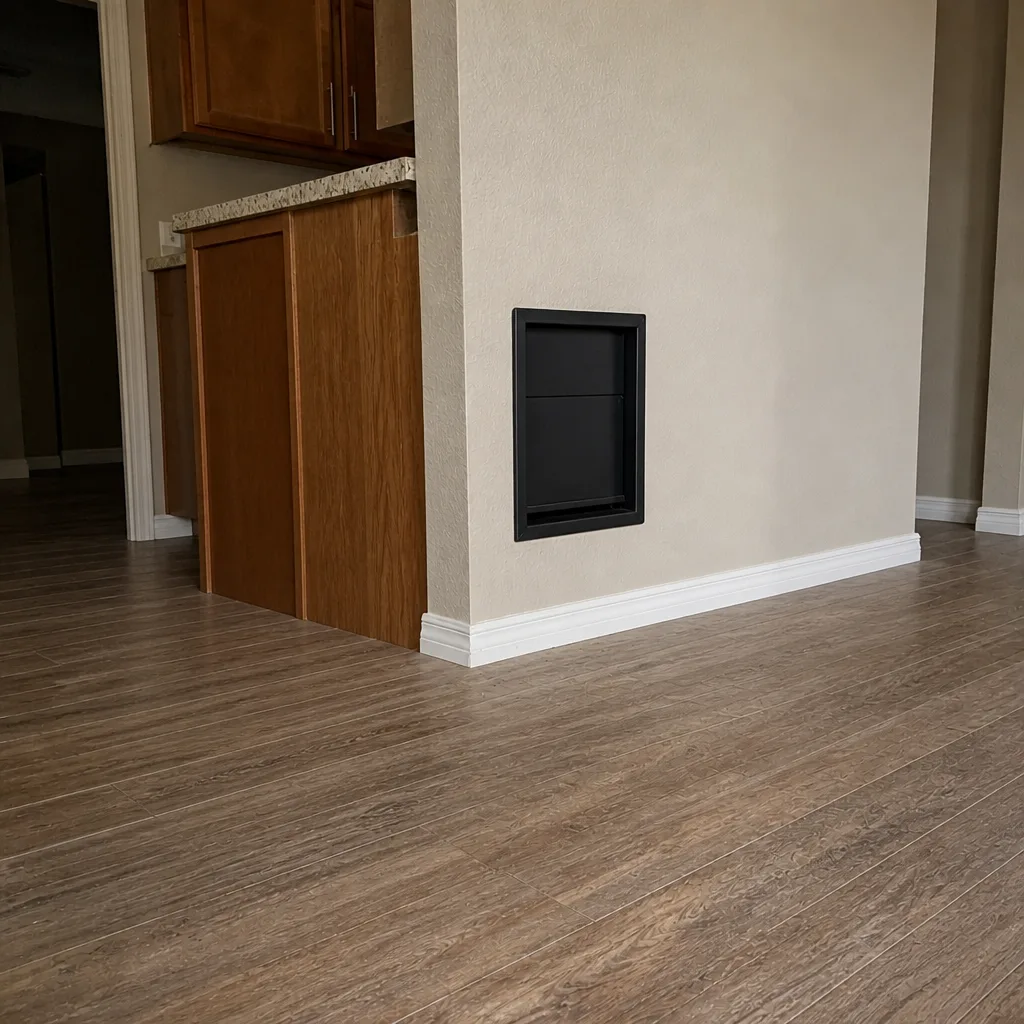
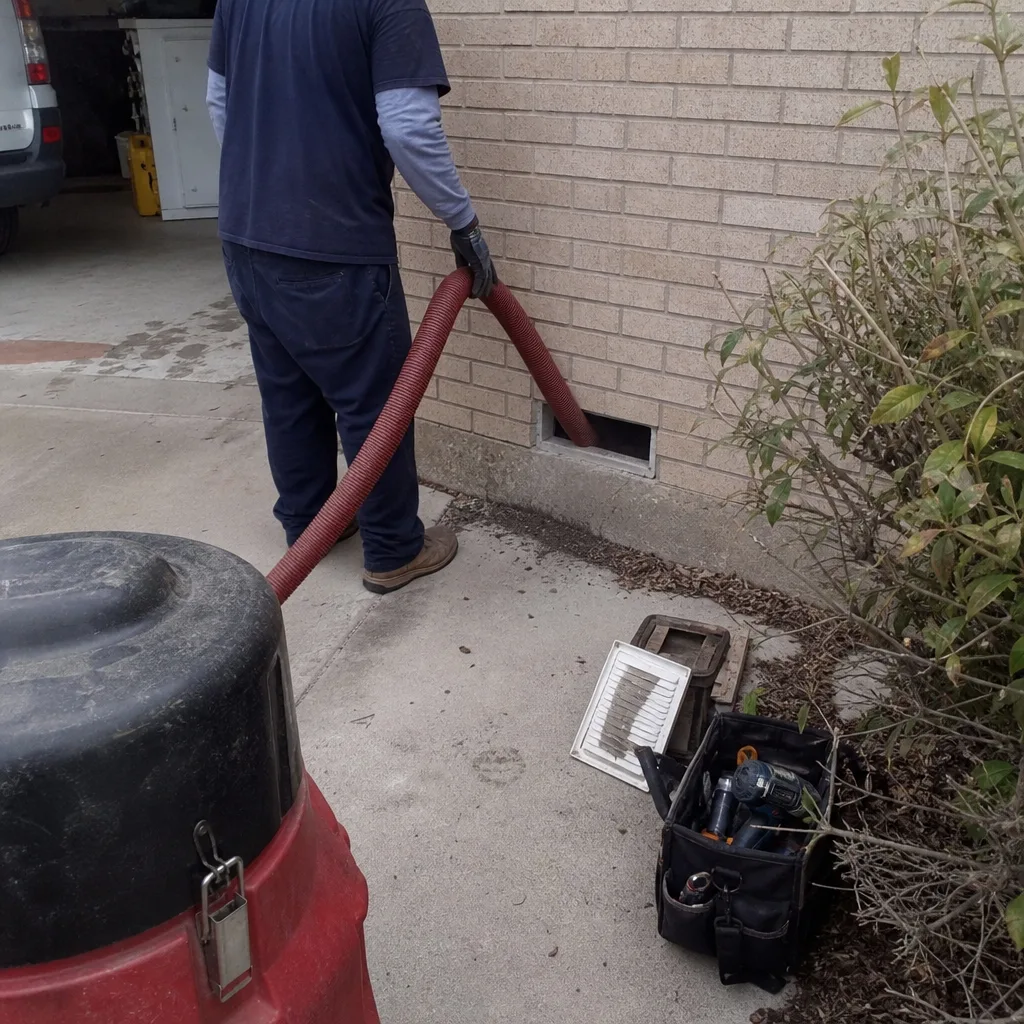
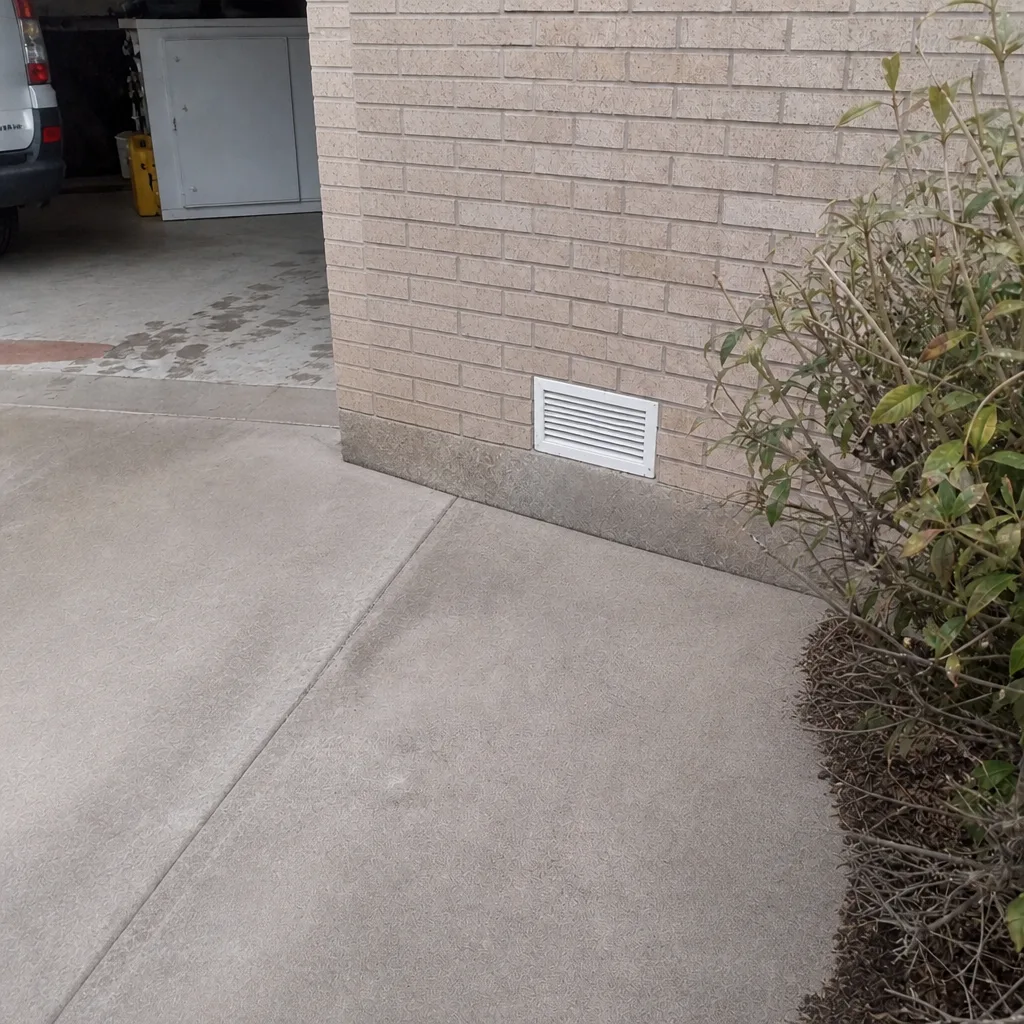
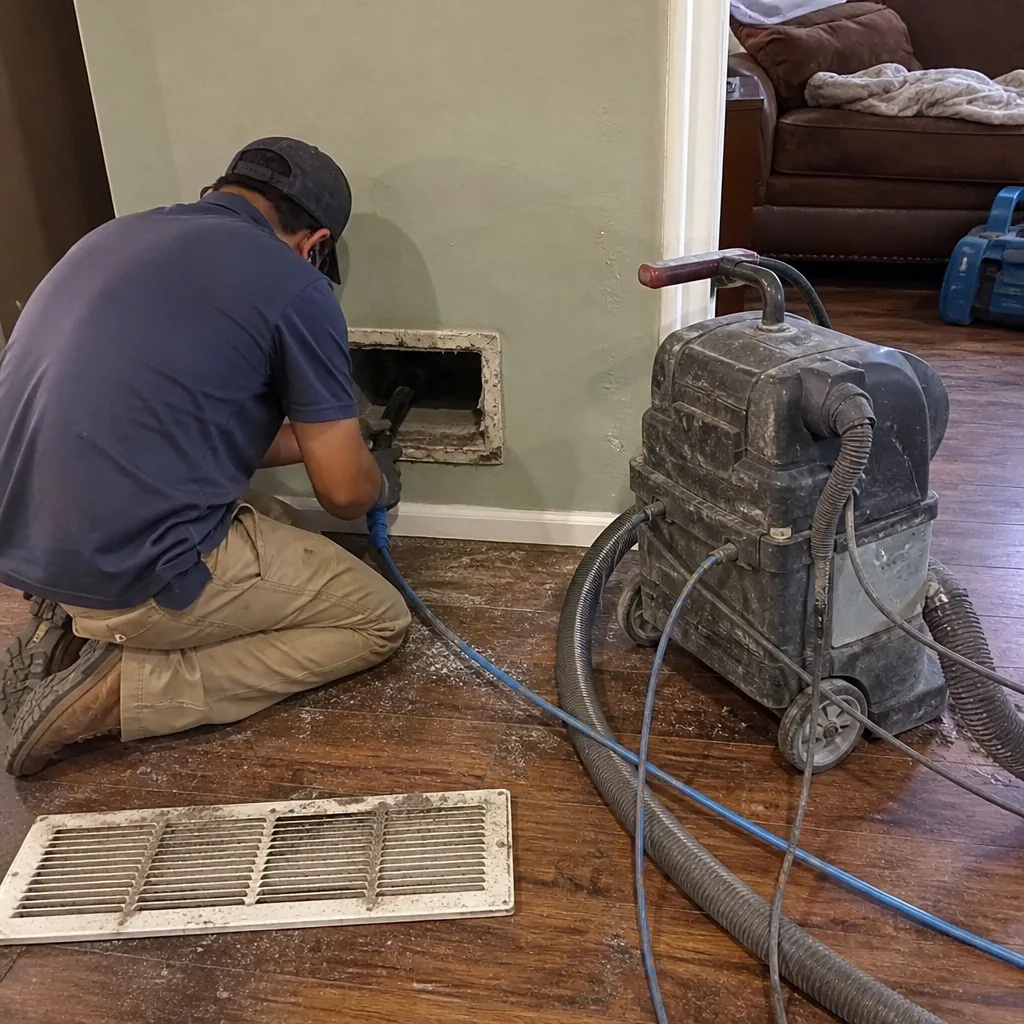
See the difference
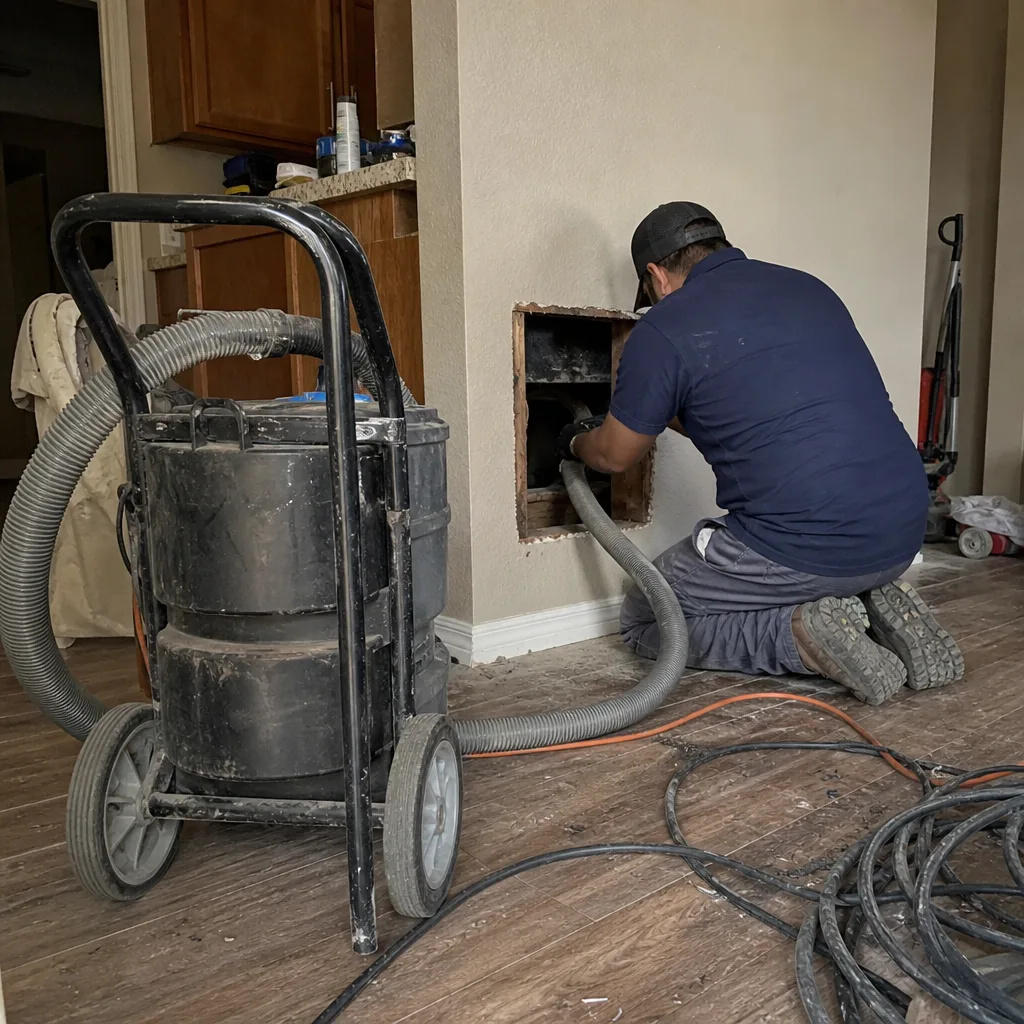 Before
 After
 Before
 After
 Before
 After
Frequently Asked Questions
Once a year is typical for most Casa View homes, but the timing matters more than the frequency. If you clean ahead of cooling season to address spring pollen and then again after storm season in the fall, you’ll catch the two highest-contamination windows. Homes with pets, allergy sufferers, or recent attic work may benefit from a cleaning after every storm season that produces hail or high wind. Homes with no current trigger can often stretch to 2-3 years between full cleanings, provided an inspection confirms the system is still in good shape. Call (888) 886-6271 for a free estimate to see what your system actually needs.
Both are useful, but they address different problems. Spring cleaning handles the pollen load that cedar and oak send through return air grilles, and it should happen before you switch to cooling mode. Fall cleaning handles storm debris and insulation displacement, and it should happen before you switch to heating mode. If you can only schedule one, spring is the higher-value window in Casa View because the pollen load is heavier and more consistent than the storm load. Call (888) 886-6271 and we’ll talk through which window makes more sense for your home.
If a storm has disconnected a duct run or displaced insulation, the system pulls conditioned air into the attic and pulls attic debris into the ducts. That’s a gradual contamination problem rather than an immediate one, but the length of a Casa View cooling season gives it more time to develop. The right response is inspection followed by duct repair and sealing where the inspection finds damage. If we do the cleaning without the repair, the cleaning gets undone quickly. Call (888) 886-6271 for a free estimate.
Look for condensation on the flex duct surface in the attic, water staining or darkening on duct insulation, and a persistent musty odor at system startup. If any of the three are present, the issue is unlikely to resolve on its own. A professional inspection can determine whether the moisture source is duct insulation failure, a disconnected run, or another cause. Cleaning alone doesn’t fix a moisture path; the ducts need repair and re-sealing before the microbial growth gets addressed. Call (888) 886-6271 for a free inspection estimate.
Duct cleaning alone usually isn’t enough if the air handler and blower are also dirty, because the system will re-contaminate the cleaned ducts within weeks. The full air pathway runs from return grille through the ducts through the blower and heat exchanger, and each stage should be on the same visit for cleaning to hold up. If a quote proposes a duct-only cleaning and the blower has visible buildup, ask whether the air handler is included. Call (888) 886-6271 – we handle duct cleaning, HVAC cleaning, and duct repair on the same visit.
Very low quotes are usually per-vent vacuums with no mechanical agitation, no on-site filtration, and no HVAC unit included. That’s fine if the ducts are lightly soiled and no contamination source is present, but it doesn’t do much for pollen loading at the return plenum or attic debris after a storm. Ask three questions before accepting any quote: what equipment is used for mechanical agitation, what filtration is on-site during the cleaning, and is the HVAC unit included in the scope. Any of those missing is usually where the price difference comes from. Call (888) 886-6271 for a free estimate with a clear scope of what will be cleaned.
The Bottom Line
The best seasonal air duct care in Casa View isn’t a quarterly plan – it’s cleaning at the two points where contamination actually loads the system. Spring, before cooling season, handles the pollen. Fall, before heating season, handles the storm debris and gives you a window to fix damage. Winter inspection keeps the air handler and heat exchanger honest, and summer is a watch period rather than a cleaning period unless a moisture trigger fires. Schedule the inspection first, let it tell you whether cleaning is needed, and you’ll spend less than a quarterly schedule and end up with cleaner air. To get your system on that calendar, HVAC cleaning and the rest of our services are available with a free estimate – call (888) 886-6271. We answer 24/7. Fast dispatch from 7am to 7pm, Sunday through Friday.
Written by the team at Air Duct Cleaning Casa View.